Okay, so this is absolutely insane. Tim Donaghy was an NBA referee. Not just any referee. A guy who was calling major playoff games. And he was fixing them.
Like, betting on games while also controlling the outcome. That's next level stuff.
What He Did
Donaghy started betting in 2003. He bet on games he was not officiating. Pretty straightforward. But then in 2005, things got darker.
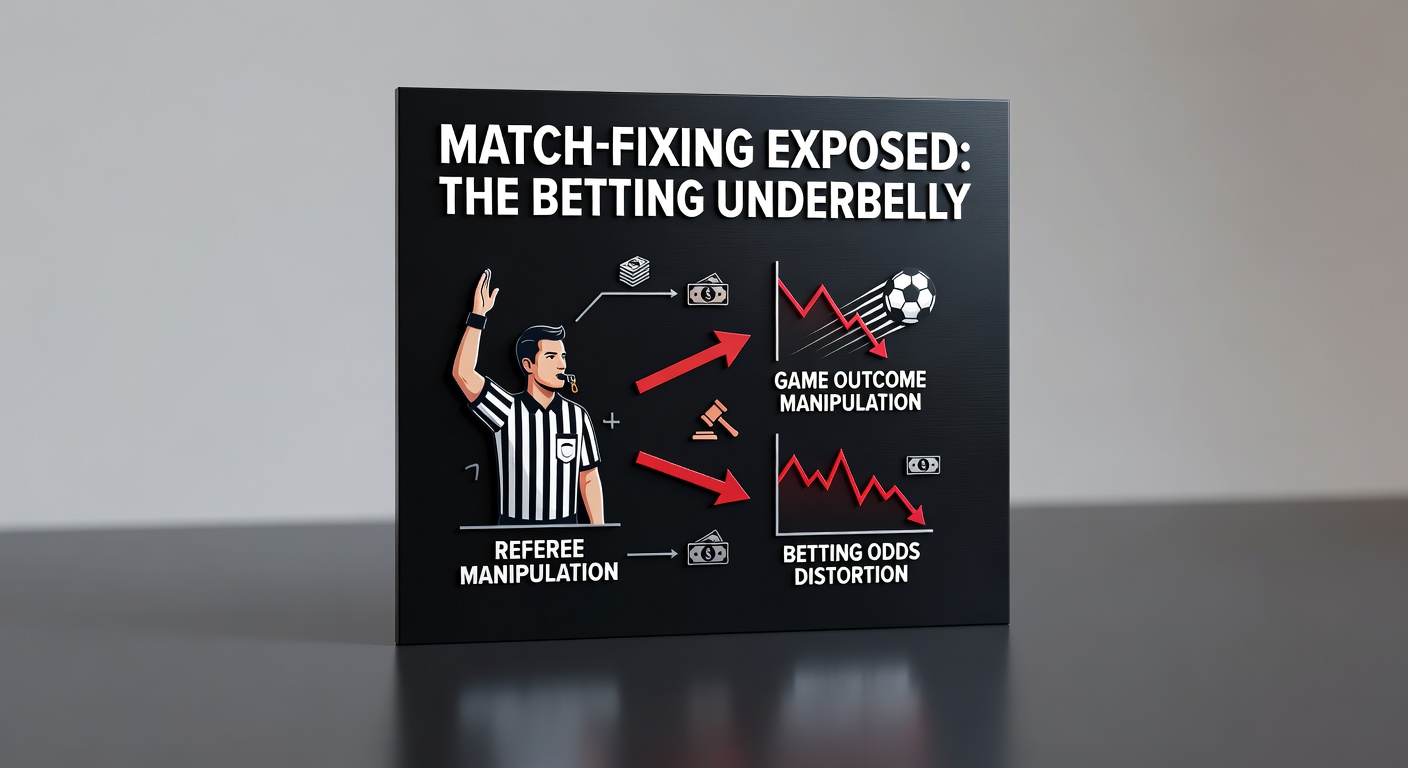
He got connected with a mobster named Bettors Wire. Bettors Wire paid Donaghy to call games in specific ways. Bad foul calls against favored teams. Favorable calls for underdogs. The whole thing.
Donaghy would officiate a game and make decisions that would influence the outcome. Then he would bet the opposite direction the public expected, knowing his own influence would move the result.
The Betting Pattern
He made approximately $200,000 betting on games from 2005 to 2006. This is actually not that much money compared to the scale of what he was doing. The bigger money went to the mobsters who were running the scheme.
The suspicious part: his bets were winning at an extremely high rate. A casual bettor wins 52 percent of their picks. Donaghy was winning 70 percent. That caught the attention of sportsbooks.
How He Got Caught
The FBI was investigating organized crime and gambling. They were monitoring phone lines. They caught conversations between Donaghy and associates discussing game fixing.
Phones were tapped in July 2006. By August, the FBI had enough evidence to confirm Donaghy was fixing games and betting on them.
He admitted to the scheme. He said he had fixed 24 games. Later analysis suggested it was closer to 120 games across multiple seasons.
The Game Impact
Fans have to ask: did Donaghy's calls change game outcomes?
Most likely yes for some games. A bad foul call on a key possession can swing momentum. When you're actively trying to influence the outcome through officiating decisions, you can move the line by 2-3 points easily.
This made betting on those games profitable if you knew his influence was coming.
The Regulatory Response
The NBA lost credibility immediately. Adam Silver (then deputy commissioner) had to explain how one referee had fixed at least 24 games without the league catching him.
The answer was: the NBA did not have sophisticated betting-monitoring systems. They did not track referee behavior patterns. They did not alert on suspicious betting.
After Donaghy, all of this changed. The NBA now monitors betting patterns obsessively. Any unusual betting on a game gets flagged.
The Sentence
Donaghy was sentenced to 15 months in federal prison. He served his time and was released. He's been quiet since.
The NBA permanently banned him from the league and all NBA events.
Why This Matters
The Donaghy scandal showed that corruption was possible at the highest level of professional sports. One corrupt official could fix games, and no one would catch him if they weren't watching betting patterns.
It also revealed that organized crime was interested in NBA games. They weren't just taking bets. They were placing them. The combination was deadly.
The Broader Implication
Anytime a single official or small group has control over a high-stakes outcome, corruption becomes possible. Basketball is especially vulnerable because fouls are subjective. A referee's interpretation of contact can change the game.
Fix-it schemes work in individual sports (boxing, MMA) and team sports with individual control (basketball, baseball to some extent) better than in objective-outcome sports (golf, tennis).
What This Taught Sportsbooks
Sportsbooks now refuse bets on games involving officials known to have been involved in controversies. They track betting patterns for unusual concentration. If $50 million suddenly comes in on an underdog in a game nobody expected to be close, that's a red flag.
The entire betting industry learned from Donaghy that corruption was real and detectable through betting behavior.
Wings for this entry