In this entry4 parts
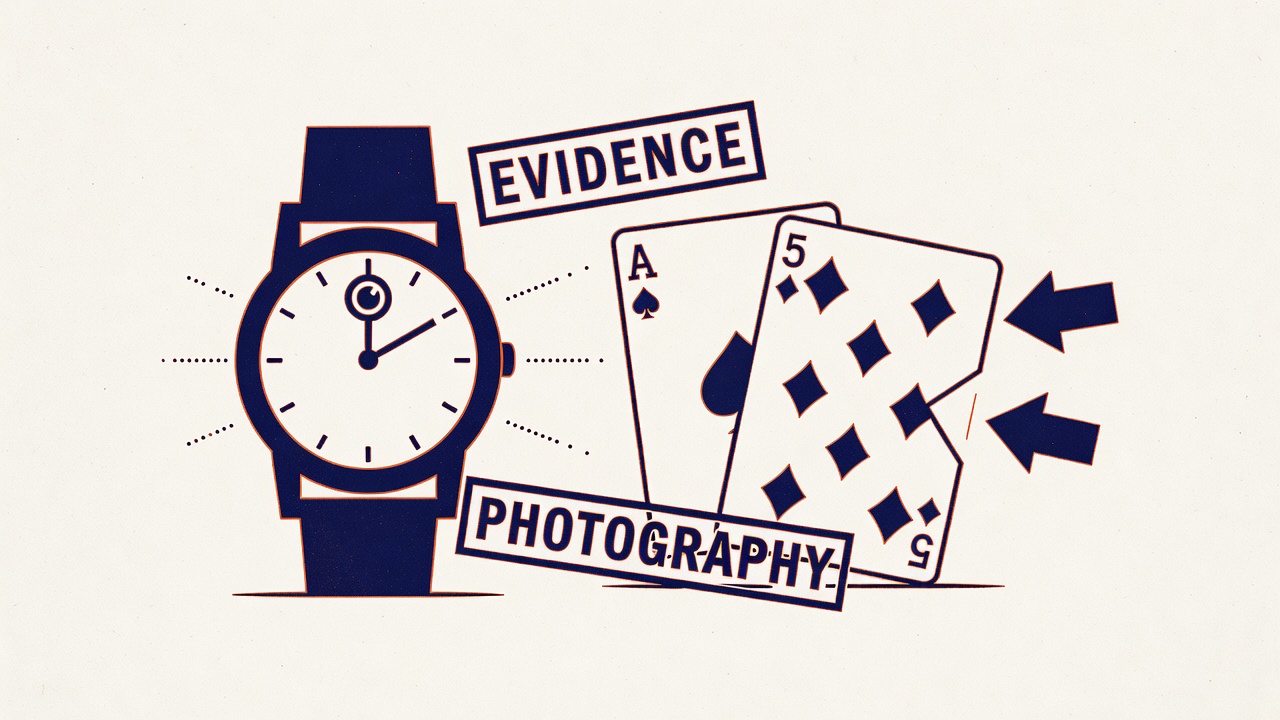
Mike Postle played high-stakes poker in California for five years. Livestreamed games. Known players. Known casinos. In that entire time, Postle used a hidden camera in his Apple Watch to see his opponents' hole cards (the cards that are supposed to be face-down and private).
For five years, nobody caught it.
Then someone noticed the pattern. Postle was winning at a rate statistically impossible without seeing cards. He was folding bad hands before they got bad. He was calling with mediocre hands that turned into winners. The odds were impossible.
The investigation was thorough. Phone records showed Postle had the watch. Video analysis showed him looking at the watch in ways consistent with checking information. Confessions from his circle confirmed the cheating.
The Crime and The Precedent
Postle was charged under California Penal Code Section 330.9 (fraud and cheating at gambling). He faced 40 years in prison.
The case was a big deal because it was professional-level cheating at a high stakes game. Casinos had systems to detect it, and they still failed. Livestream poker (which had better camera angles than in-person poker) still did not catch it.
Postle eventually pleaded guilty to one count of fraud. He received probation and restitution. No prison time.
For a crime that defrauded people of millions of dollars, the punishment was remarkably light. This matters because it signals that cheating, even when caught, has modest consequences.
What This Reveals About Poker
Poker is vulnerable to cheating in ways other casino games are not. Slots are pure RNG, impossible to cheat. Blackjack has dealer control and surveillance. Poker depends on hidden information remaining hidden.
If you can see your opponent's cards, you have an unbeatable advantage. There is no luck, no variance. You win every hand.
Postle's win rate over five years was roughly 2-3x the normal win rate for top professionals. At standard stakes (10,000 to 20,000 per hand), he stole millions.
Live poker at high stakes is vulnerable to this kind of attack because:
- Hole cards are genuinely hidden (physically held by players)
- There are multiple angles to view from (other players, side cameras)
- The information is valuable enough ($50,000 to $500,000 per hand) to motivate cheating
The Response
Casinos and poker rooms tightened security after Postle. Stricter rules about watches, phones, personal devices. Better angle cameras. More dealer awareness.
But the vulnerability remains. A determined cheater with technical skill can find a way. The Postle case proved it.
Online poker (unaffected by Postle's in-person cheating) is safer from this angle. Cards are verified by the server. Hole cards are only shown to the player with an account. A camera cannot see what the server knows.
But online poker has its own cheating vectors: collusion (multiple accounts working together), bot play (automated accounts playing with advantage), and insider access (developers or employees with access to the RNG).
The Lesson
Poker cheating is sophisticated and hard to detect. Mike Postle had an advantage of seeing every opponent's cards, and it took five years to catch him.
If you play high-stakes live poker, understand this risk. Most opponents are honest. But some are not. And the cheating methods are better than casinos admit.
The Postle case should have ended poker as a spectator sport. It should have caused massive reform. Instead, it caused minor security tightening and life went on.
That tells you something about how seriously the poker industry takes cheating.