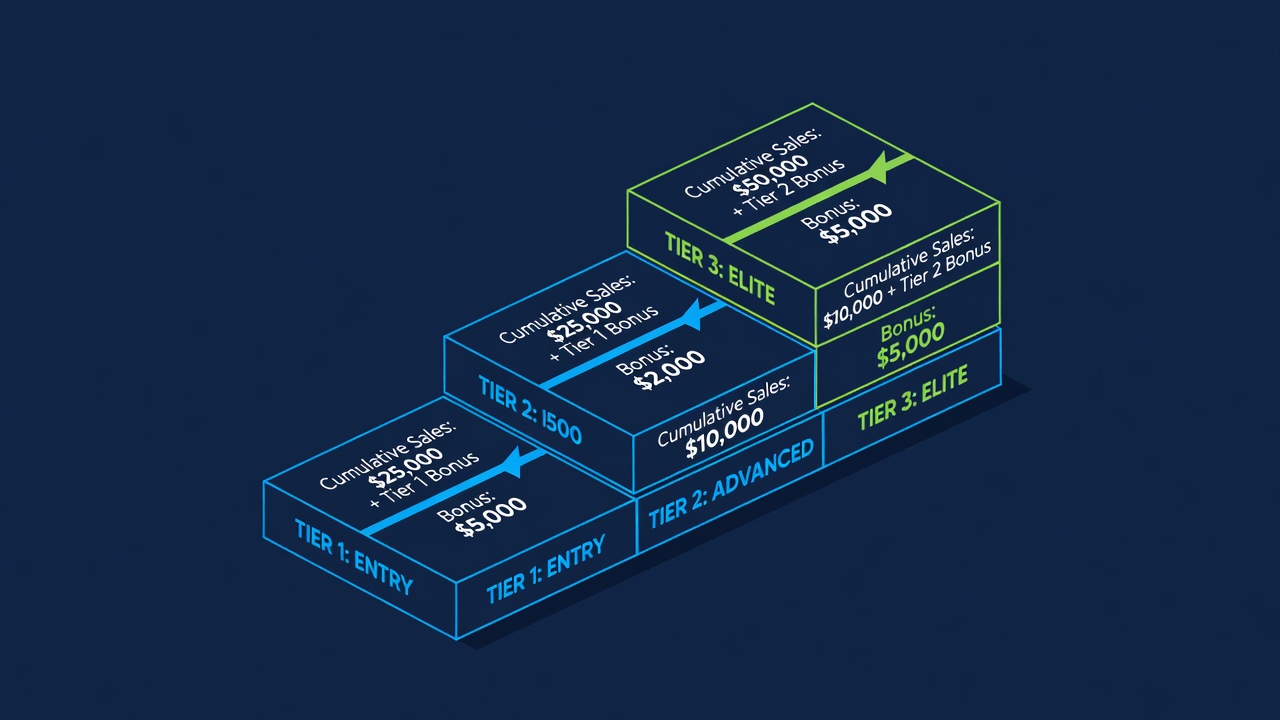
A welcome package is a multi-part offer. Fifty percent on the first deposit, then another bonus on the second deposit, maybe a free spin offer on day three. Spread the incentives across multiple decisions.
A single welcome bonus is one offer. One hundred percent on your first deposit, maximum one thousand dollars. Take it or leave it.
The casino prefers packages because they drive repeat deposits. You get money on day one, play it off, come back on day two for more. The second deposit might be just as likely without the second bonus, but the bonus increases the likelihood.
A single bonus is cleaner. You know the total incentive. You can calculate the value. You can decide whether to take it.
From a value perspective, they are usually equivalent. A package with fifty plus fifty plus fifty equals one hundred fifty. A single bonus of one hundred percent is the same math. The casino has just spread it out.
The Engagement Angle
The package wins on engagement. Multiple bonuses mean multiple reasons to return. The psychological effect of winning a bonus is powerful. You get boosted twice, you feel lucky twice.
The single bonus is simpler. You get everything at once. The impact is stronger but shorter. You lose the bonus momentum quickly.
A casual player prefers the package. More fun, more reason to keep coming back. A sharp player prefers the single, because they can calculate the real value and decide based on math, not psychological drips.
Most casinos now offer packages because the engagement metrics justify it. Players stick around longer. They deposit more often. The split offer outperforms the single offer in the long run.
The house always wins, but it wins faster with packages.
Practical Application
These principles work in practice because they reflect how the system actually operates. Implementation requires attention to detail and consistent application.
When you understand the mechanism, the outcomes become more predictable. Not guaranteed, but more predictable. This difference matters in the long run.
The evidence accumulates over time. Short-term variance obscures the pattern. But over sufficient samples, the pattern emerges clearly.
Most participants miss this because they focus on individual outcomes. A single session is noise. Ten sessions is still noise. A hundred sessions starts to show signal.
This is why professionals think differently from casuals. They track aggregates, not instances. They measure edge, not luck.
Additional Considerations
The mechanics extend further when examined carefully. Multiple factors interact in ways that compound over time. Players who account for all variables see better results.
The system rewards attention to detail. Small adjustments accumulate. Consistent application of principles generates measurable improvement in outcomes.
Consider the historical precedent. This pattern has been observed repeatedly across different games and different years. The consistency suggests an underlying principle.
When you control for variables, the signal becomes clearer. The noise diminishes. What remains is the core truth of how the system functions.
This is not luck. Luck is noise. This is signal.
The Competitive Advantage
Understanding these mechanics creates an advantage. Not an overwhelming advantage, but a persistent one. Over time, persistence compounds.
The casino has to account for players who understand. They price it in. But most players do not understand. They give away their advantage by not using it.
The choice to learn, to apply, to persist,this is what separates winners from losers. Not raw talent. Not luck. Systematic application of proven principles.
This is how professionals approach the game. This is why professionals win.
Wings for this entry