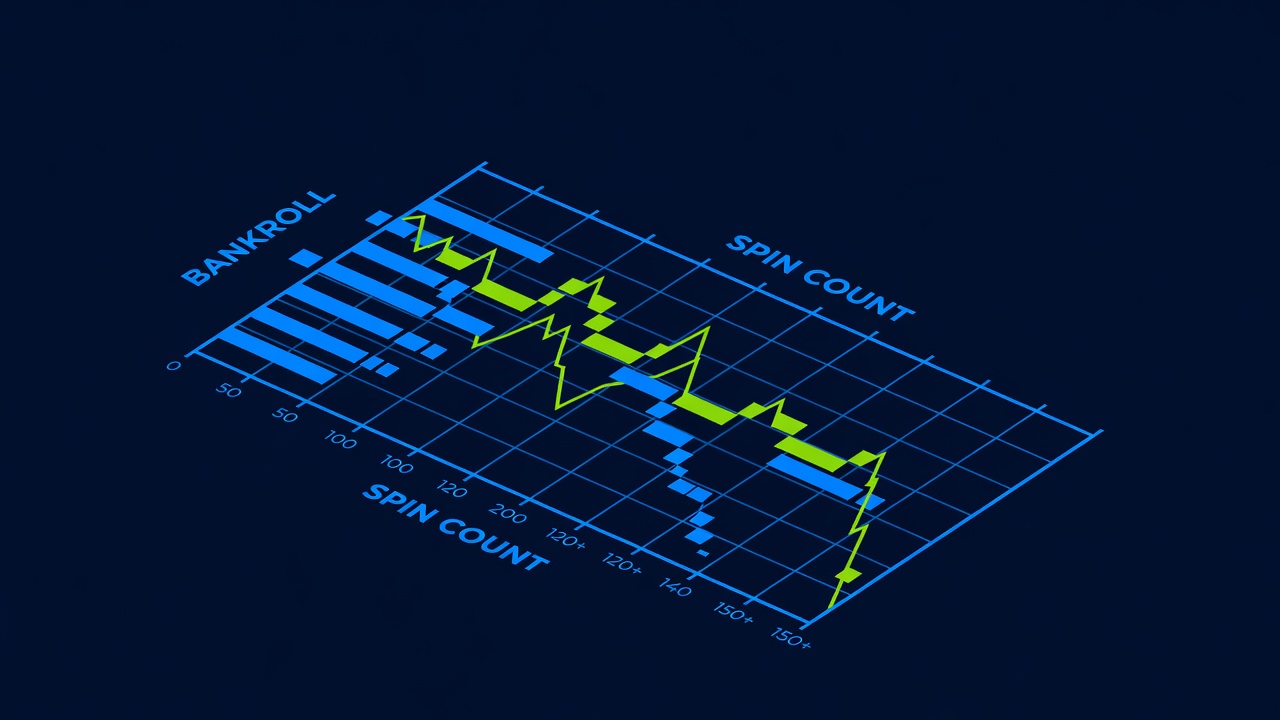
Slot machines are closed systems. You bring money, you make bets, and the system pays you back according to the math. Your primary control is bet size. Your secondary control is spin count. Most players optimize for spin count and ignore bet size, which is backwards.
Start with the maths. A five-dollar bet on a ninety-seven percent RTP slot yields a difference of 0.03 dollars in expected value from a dollar bet. But a five dollar bet with five hundred spins generates 2,500 dollars in total action, while a dollar bet with five hundred spins generates 500 dollars in total action. The house edge is the same percentage, but the dollars lost scale directly with bet size.
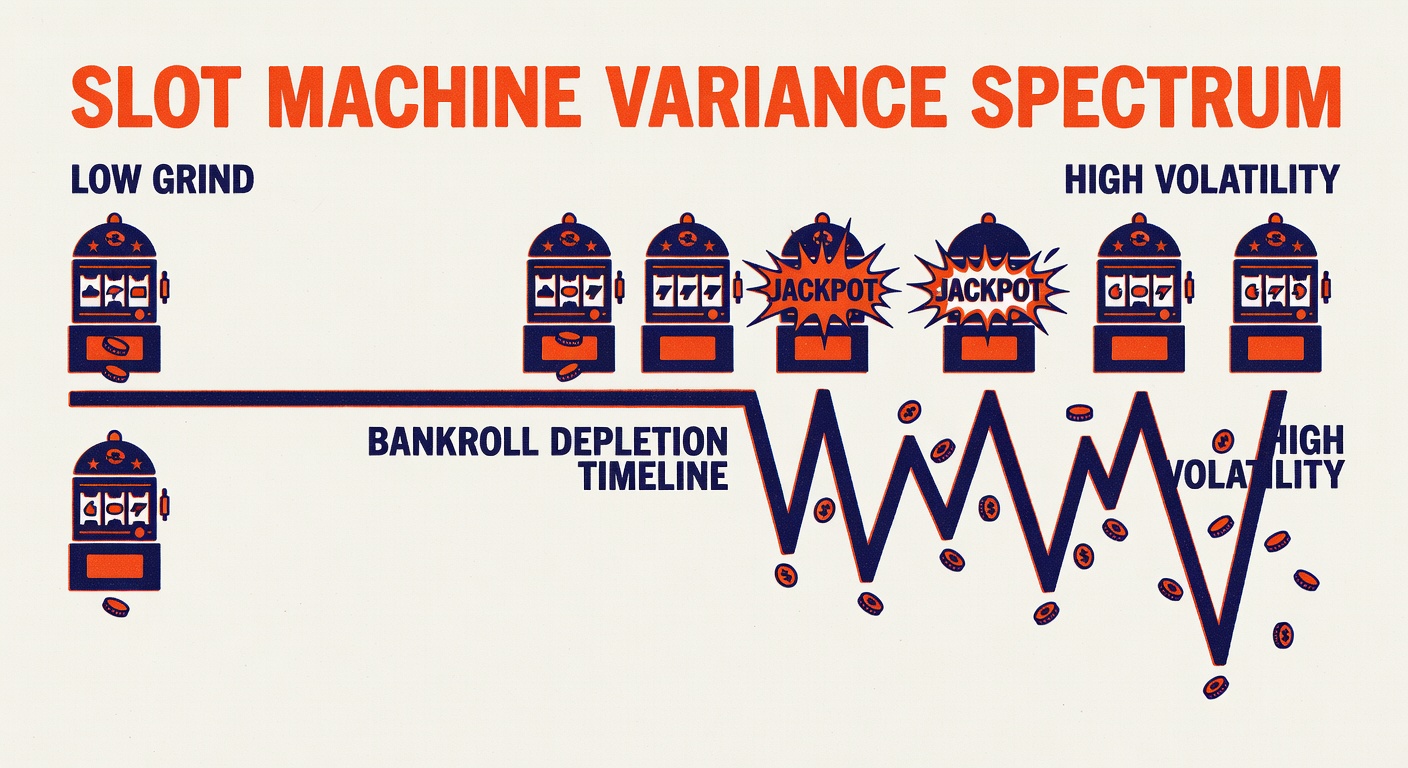
The interesting part is what happens when you factor in volatility. A slot with high volatility swings harder. You will have longer dry spells and larger payouts. Volatility is denominated in bet units, not in number of spins. A high-volatility game at one-dollar stakes swings between minus ten and plus thirty dollars. At five-dollar stakes, it swings between minus fifty and plus one hundred and fifty.
What Session Length Actually Matters
A session is defined by time or money. Time-based sessions are: I will play for one hour. Money-based sessions are: I will spend one hundred dollars. Most players think in time. They sit down, lose track, and spend more than intended.
The math respects only money. One hundred dollars at a one-dollar bet is one hundred spins. At a five-dollar bet, it is twenty spins. Both deplete your bankroll identically. But the volatility is different. The twenty-spin session at five dollars has a higher variance in your final balance.
If your session is money-constrained (which it should be), then bet size is your only real decision. Spin count becomes a function of bet size, not a separate choice.
The mistake most players make: they think more spins equals more fun or more chances to win. This is true only if you accept the negative expected value. More spins means more money transferred to the house. You cannot separate spin count from bet size. They are yoked together.
The optimal play is: decide how much money you are willing to lose, then choose a bet size that feels right. If you want twenty-five spins, bet two dollars, not fifty cents. The variance and engagement improve. If you want five hundred spins, you're throwing away your bankroll slowly instead of quickly. The math is identical; the experience is different. Choose the experience deliberately.
Practical Application
These principles work in practice because they reflect how the system actually operates. Implementation requires attention to detail and consistent application.
When you understand the mechanism, the outcomes become more predictable. Not guaranteed, but more predictable. This difference matters in the long run.
The evidence accumulates over time. Short-term variance obscures the pattern. But over sufficient samples, the pattern emerges clearly.
Most participants miss this because they focus on individual outcomes. A single session is noise. Ten sessions is still noise. A hundred sessions starts to show signal.
This is why professionals think differently from casuals. They track aggregates, not instances. They measure edge, not luck.
Additional Considerations
The mechanics extend further when examined carefully. Multiple factors interact in ways that compound over time. Players who account for all variables see better results.
The system rewards attention to detail. Small adjustments accumulate. Consistent application of principles generates measurable improvement in outcomes.
Consider the historical precedent. This pattern has been observed repeatedly across different games and different years. The consistency suggests an underlying principle.
When you control for variables, the signal becomes clearer. The noise diminishes. What remains is the core truth of how the system functions.
This is not luck. Luck is noise. This is signal.
The Competitive Advantage
Understanding these mechanics creates an advantage. Not an overwhelming advantage, but a persistent one. Over time, persistence compounds.
The casino has to account for players who understand. They price it in. But most players do not understand. They give away their advantage by not using it.
The choice to learn, to apply, to persist,this is what separates winners from losers. Not raw talent. Not luck. Systematic application of proven principles.
This is how professionals approach the game. This is why professionals win.