I quit five years ago. Three years without a table. I'm writing this because distance creates clarity. Back then, I had none. The observations I learned to recognize were genuine. They were also devastating. Cost me a fortune. I want to describe them plainly.
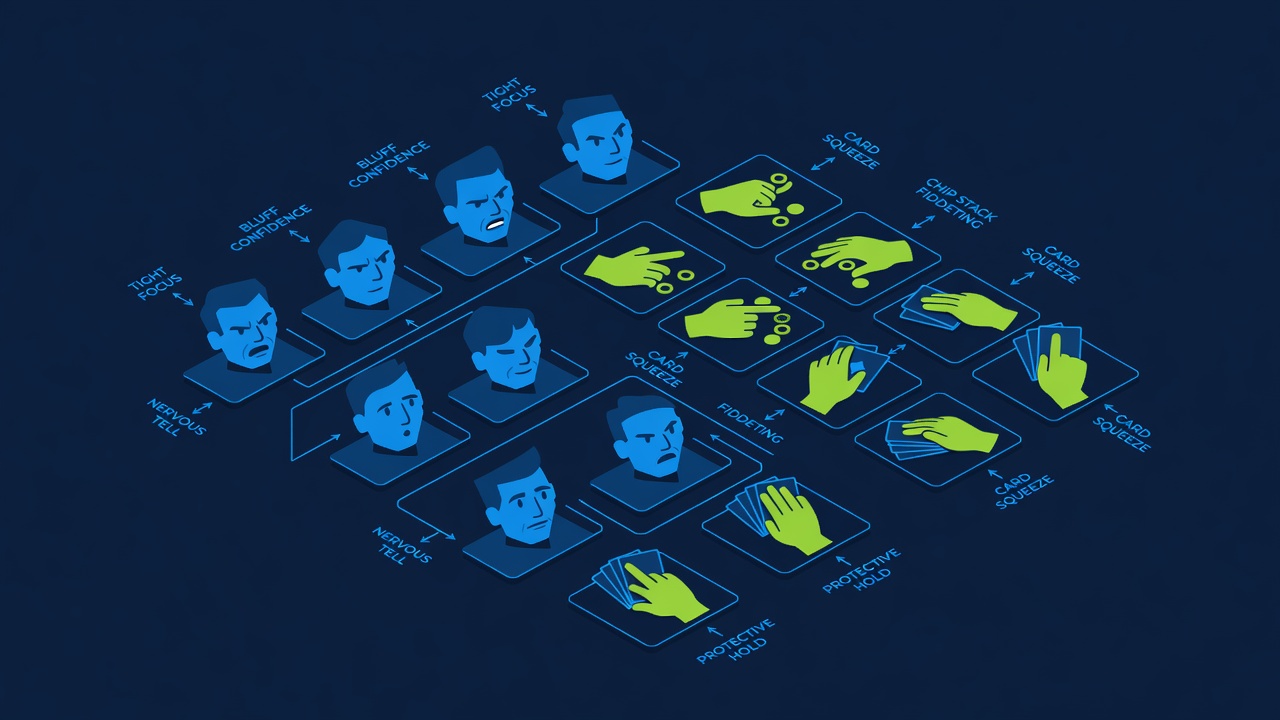
In poker, tells are behavioral patterns correlating with hand strength or weakness. Some manifest physically: trembling often indicates confidence (nervous energy). Steadiness might signal bluffing. Temporal tells matter too: immediate check-raising usually means strength. Prolonged hesitation before action could signify either confidence (calculating) or doubt (weak). The association matters more than individual signals. What counts is whether this player exhibits predictable behavior revealing intentions.
I excelled at reading opponents. That skill destroyed me. I caught subtle moments. Pupils widening when examining cards. Breathing shifts during river checks. Shoulders tightening while attempting deception. I became very proficient. Won steadily for three years. Then didn't.
Being skilled at reading felt like advantage. Advantage is currency for gamblers. With advantage, you gain mathematical superiority. With superiority, bigger bets become possible. Extended sessions become possible. Victories feel earned rather than fortunate. Then variance catches you. You misinterpret. You encounter unpredictable opponents. Your advantage disappears. The hunger for advantage lingers, though.
The Tell Categories
Initial disclosure happens when someone examines their cards. Reactions typically leak information. Winners unconsciously smile or shift slightly. Losers' faces flash disappointment. I trained myself to catch these microseconds. Proficiency grew. It felt superhuman. Obviously not. Just attentive observation. But observation is misleading; it feels more trustworthy than justified.
Action timing matters more. Does someone check instantly or deliberate? Immediate checking suggests weakness. Pausing beforehand indicates calculation. They're weighing strong versus weak decisions. This requires familiarity. Twenty to thirty hands minimum for reliable patterns. Casino circulation works against you. You've studied their quirks. They've moved to another table.
Bet-size patterns are consistent. Certain opponents size larger with premium holdings and smaller with marginal holdings. Others reverse the pattern. The numbers indicate their board assessment. Aggressive sizing on dry boards = confidence. Cautious sizing on wet boards = caution. Yet size depends on bankroll strategy too. Shortstacks navigate differently from deepstacks, regardless of actual cards.
Verbal information fascinated me. I listened carefully. A player dominating conversation while strong, silent while weak. Another personality showed opposite behavior: talkative when struggling, composed when ahead. Asking about boards. Calculating pot odds aloud. These observations accumulate. Gradually I grasped everyone's holdings. Recognition created legitimate edge. Eventually that edge deteriorated.
- Temperament influences responses significantly. Naturally anxious players shake holding premium hands. Calm players don't. Personality determines everything.
- Consistent tells expire once opponents detect observation. They adjust. Behavior reverses.
- Familiarity enables better reads. Home games and regular venues provide superior information. Tournaments and unfamiliar settings obscure patterns.
- Awareness destroys authenticity. Observed opponents modify behavior. Meta-analysis spirals: you read them reading you reading them.
"I abandoned theory completely. Pattern observation consumed me instead. That was collapse's beginning. Recognition breeds overconfidence. Overconfidence creates reckless decisions. Recklessness demands consistent confirmation. Patterns don't cooperate."
Hard experience taught me: crystal-clear reads often deceive. Subtle patterns identified after fifty hands? Those are trustworthy. The problem: obvious reads feel decision-worthy. I'd misread, move chips forward, and lose. Afterward I'd convince myself the signal was real, they just got fortunate. Eventually I'd committed enough chips on faulty interpretation that luck couldn't compensate.
Upon exiting, I recognized something overlooked for years. Everyone reads. The game wasn't unilateral observation. Competition meant mutual interpretation. Recursive complexity. That's partly why I departed. Also why poker mesmerizes those who stay. I didn't adore it by the end, though. Dependence replaced affection. Different phenomenon.
At a table today, study these signals. But recognize the expense. Observing consumes cognitive resources spent elsewhere: probability, position, strategy. Every interpretation becomes cognitive bias. Calculate. Respect position. Trust mathematics. Signals remain. Just don't surrender to them completely.
Wings for this entry