I walked into the casino at midnight. The lights were low, the kind that make a man look better than he is. At the baccarat table, a guy in a charcoal suit was pushing stacks of chips across the felt. Hundred-dollar plates. He had been there since Tuesday.
The pit boss watches. The eye-in-the-sky watches. The compliance officer watches. That last one is not thinking about the game. She is thinking about the money. Where it came from. What it will become.
Anti-money laundering rules do not care about your luck. They care about your source.
For traditional casinos, the rules are old. Banks developed them in the 1970s after Watergate exposed how easily cash could disappear into institutions. The government responded with the Bank Secrecy Act of 1970 (31 U.S.C. Section 5318). Casinos are covered. Any transaction over $10,000 triggers a Currency Transaction Report (CTR). Unusual patterns trigger a Suspicious Activity Report (SAR). The casino files these. Law enforcement reads them. That is the machine.
For crypto casinos, the rules are newer and messier.
How AML Rules Reach Crypto
Crypto casinos do not fit neatly into the traditional framework. They are not banks. They are not money transmitters (technically). But in most jurisdictions, they are treated as money transmitters for the purposes of AML compliance.
The European Union's Fifth Anti-Money Laundering Directive (5AMLD), implemented in 2020, explicitly extends AML rules to crypto casinos and crypto exchanges. The Malta Gaming Authority (MGA) was one of the first gaming regulators to apply these rules to licensed crypto casinos. The UKGC followed.
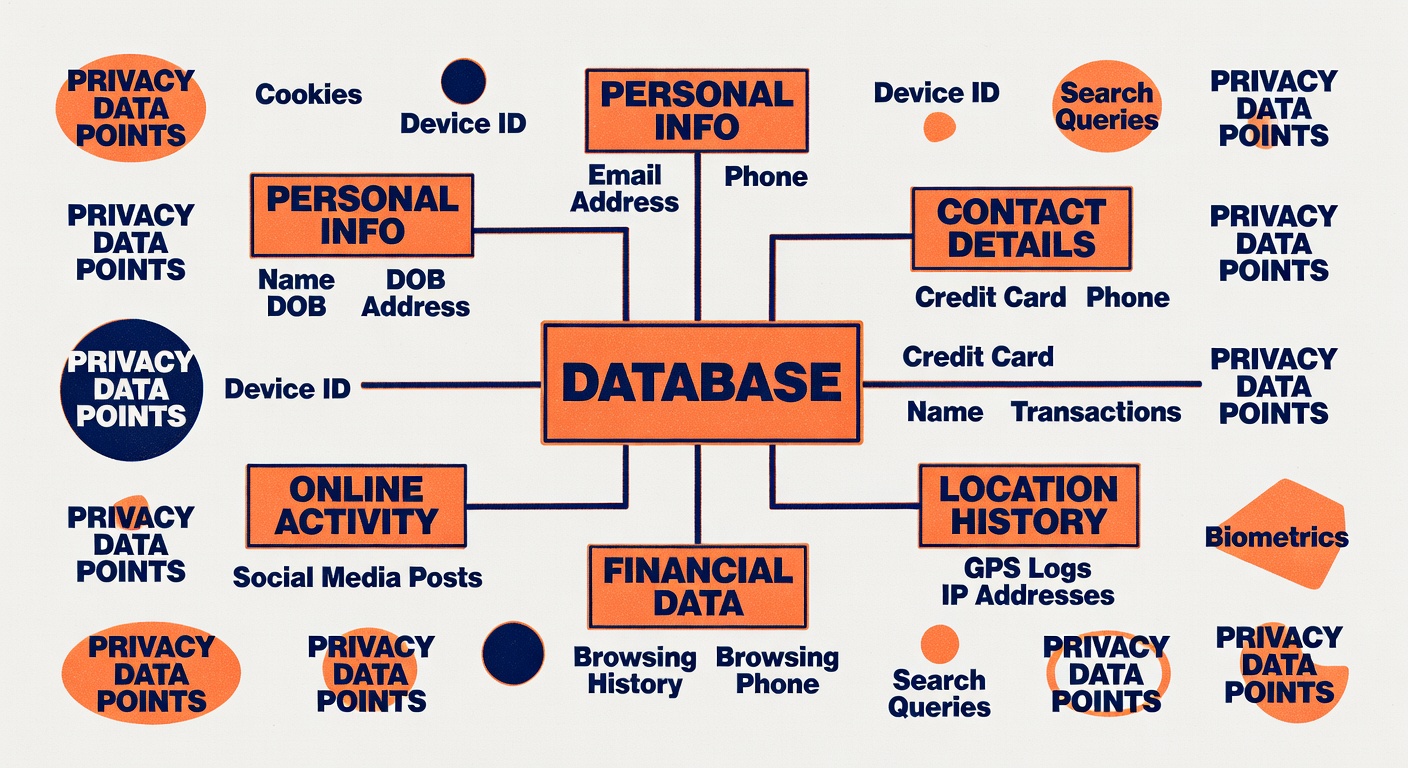
The rule is simple: a crypto casino must know who its customers are and where their money comes from. This is called Know Your Customer (KYC) and Beneficial Ownership identification (BO). The casino must verify the player's identity with government documents. It must trace the source of the initial deposit.
The Source of Funds Problem
Traditional casinos ask: "Where does this money come from?" They examine tax returns, employment history, inheritance documents. A man claiming to be a real estate developer who suddenly deposits $500,000 gets asked to prove it.
Crypto casinos face a harder problem. A player sends USDT (Tether stablecoin) from a wallet. The casino asks: "Where did this USDT come from?" The wallet address is public, but anonymous. The blockchain shows the transaction history. But it does not show the person's identity.
I have a client who came up in Moscow, worked in oil. He has money that is not entirely traceable to legitimate sources. He converts it to Bitcoin, moves it through three mixing services, and then deposits USDT to a crypto casino registered in Curacao. The blockchain shows the transaction. But the AML officer at the casino cannot connect the wallet to the person. They cannot connect the person to the money's origin.
If the casino allows the deposit without verification, they are violating AML law.
The Compliance Response
Licensed crypto casinos (those under MGA or UKGC) now require extensive KYC for all deposits over certain thresholds. Players must provide:
- Government-issued ID (passport, driver's license)
- Proof of address (utility bill, bank statement from the last three months)
- Source of funds documentation (employment letter, tax returns, bank statements showing the source of the crypto)
For large deposits or unusual patterns, casinos require additional documentation: business registration, proof of inheritance, proof of sale of assets.
Unlicensed casinos in Curacao, operating under the looser Curacao eGaming framework, are supposed to implement AML rules but often do not. This is where the dirty money flows. Not because the operators are necessarily complicit, but because the regulation is weak and enforcement is weak.
How the Rules Actually Work
A player deposits $100,000 in Bitcoin to a licensed MGA casino. The casino requires KYC. The player provides a passport and a tax return showing $200,000 in annual income. The math is plausible. The casino accepts it.
But what if the deposit was $500,000? That exceeds the player's annual income by a factor of 2.5. The casino flags it. The AML officer asks: "Is this an inheritance? A loan? Sale of property?" The player provides documents. If they are legitimate, the casino proceeds. If they are forged or inconsistent, the casino rejects the account and files a SAR with the relevant regulator.
For crypto specifically, the casino needs to know how the player acquired the Bitcoin or Ethereum they are depositing. If the player says, "I mined it," the casino will ask for proof: mining pool records, hardware receipts. If the player says, "I bought it from Kraken," the casino will request a bank statement showing the purchase.
This creates a transparency problem for the player. To gamble with crypto, the player is essentially saying: "Here is my entire financial history." Privacy vanishes. That is the trade-off.
The Enforcement Problem
I watched a case in 2021. An AML officer at a major online poker site flagged a $2 million deposit from a new player. The money came from a Curacao-registered cryptocurrency exchange. The player claimed it was from trading profits. The exchange had no regulation; they would not verify the source.
The poker site rejected the account and filed a SAR. The government investigated. The money was traced back to a drug trafficking organization in Colombia. The poker site was never charged (they did the right thing), but the case highlighted the gap: crypto casinos are only as compliant as the sources they verify.
Curacao eGaming does not enforce AML compliance at the level of Western regulators. The incentive to cut corners is high. A player with $500,000 in questionable crypto is revenue. If the operator asks too many questions, the player goes elsewhere.
The Practical Landing
For a player with legitimate money, AML rules are an inconvenience. You provide documents, you wait a few days, you play.
For money that cannot be explained, AML rules are a wall. You cannot cross it at a licensed casino. You might cross it at an unlicensed one, but you are then taking custody risk: the casino might vanish, the money with it. That is the bargain you make when you go gray market.
The dark money finds its way. It always does. But the licensed casinos have built a gate in front of it. The rules say: come in if you can prove who you are and where you came from. If you cannot, the door stays shut.
That is the business now. Compliance is the cost of legitimacy. The casinos that want to stay open accept it.
Wings for this entry