In November 1995, Gladys Knight filed for Chapter 11 bankruptcy. The filing listed 1.2 million dollars in liabilities, 275,000 in assets. In interviews, Knight blamed casino gambling, specifically baccarat, as the primary cause.
Baccarat had been her game of choice for over a decade. She gambled in Atlantic City, Las Vegas, and overseas. The losses accumulated methodically.
Knight's story is often recycled as a cautionary tale (see: Celebrity Falls to Addiction). The actual mechanics are worth examining, because they illuminate why baccarat is particularly dangerous for anyone who thinks they can beat it.
The Game and Why It Attracts the Shrewd
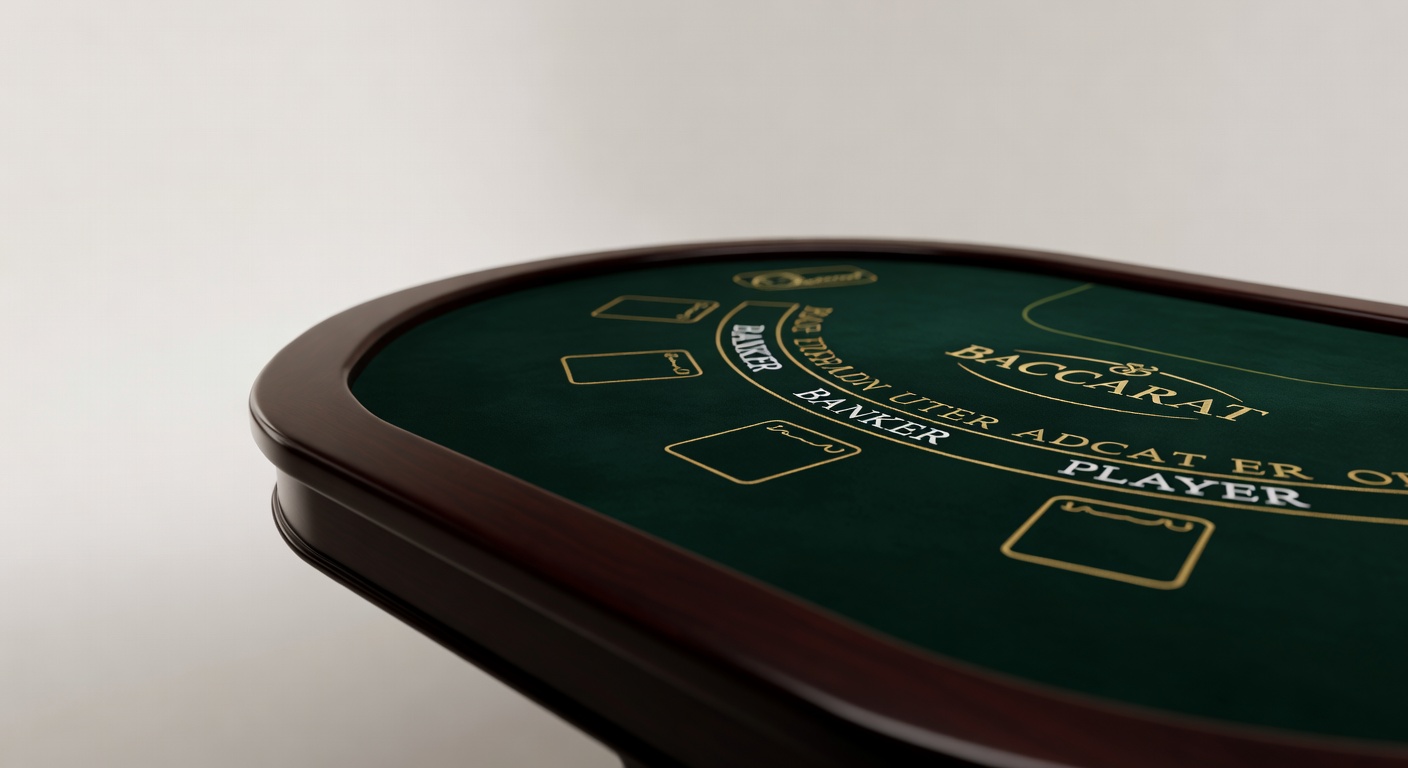
Baccarat is simple. There are two hands: the Player and the Banker. You bet on which will be closer to 9. That's it. Aces count as 1, face cards as 0, everything else as face value. Hand totals bust at 10; an 8 and a 7 total 5, not 15.
No decisions. You place the bet and the dealer runs the hand. Compare this to blackjack, where you hit, stand, double, split. Baccarat has zero skill component.
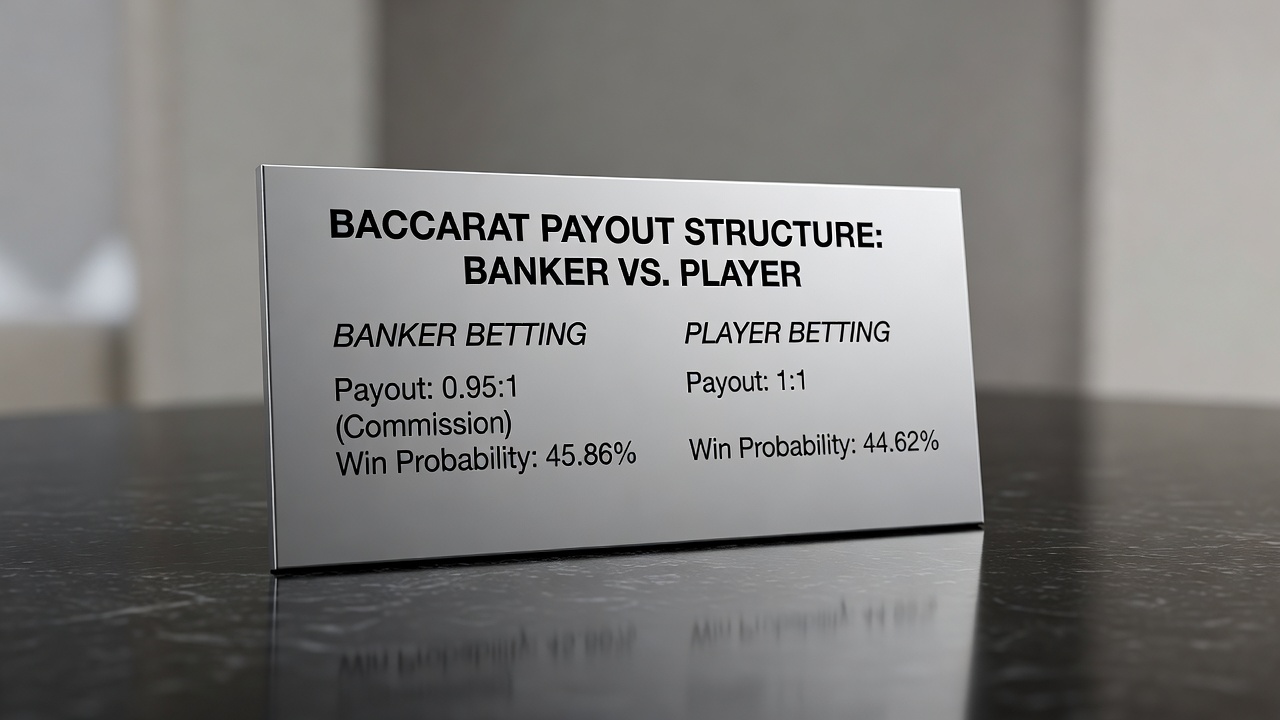
Yet baccarat attracts wealthy, educated players. Why? Because the simplicity is deceptive. Baccarat feels like a game of prediction rather than chance. The Player has fixed odds: roughly 50.68% to win, 49.32% to lose (after accounting for the 5% commission on Banker wins).
A shrewd person can calculate this. "Okay, so if I bet Banker, I'm getting slightly worse than even odds, but the math is sound." A shrewd person thinks probability is strategy. It is not.
The Volatility Trap
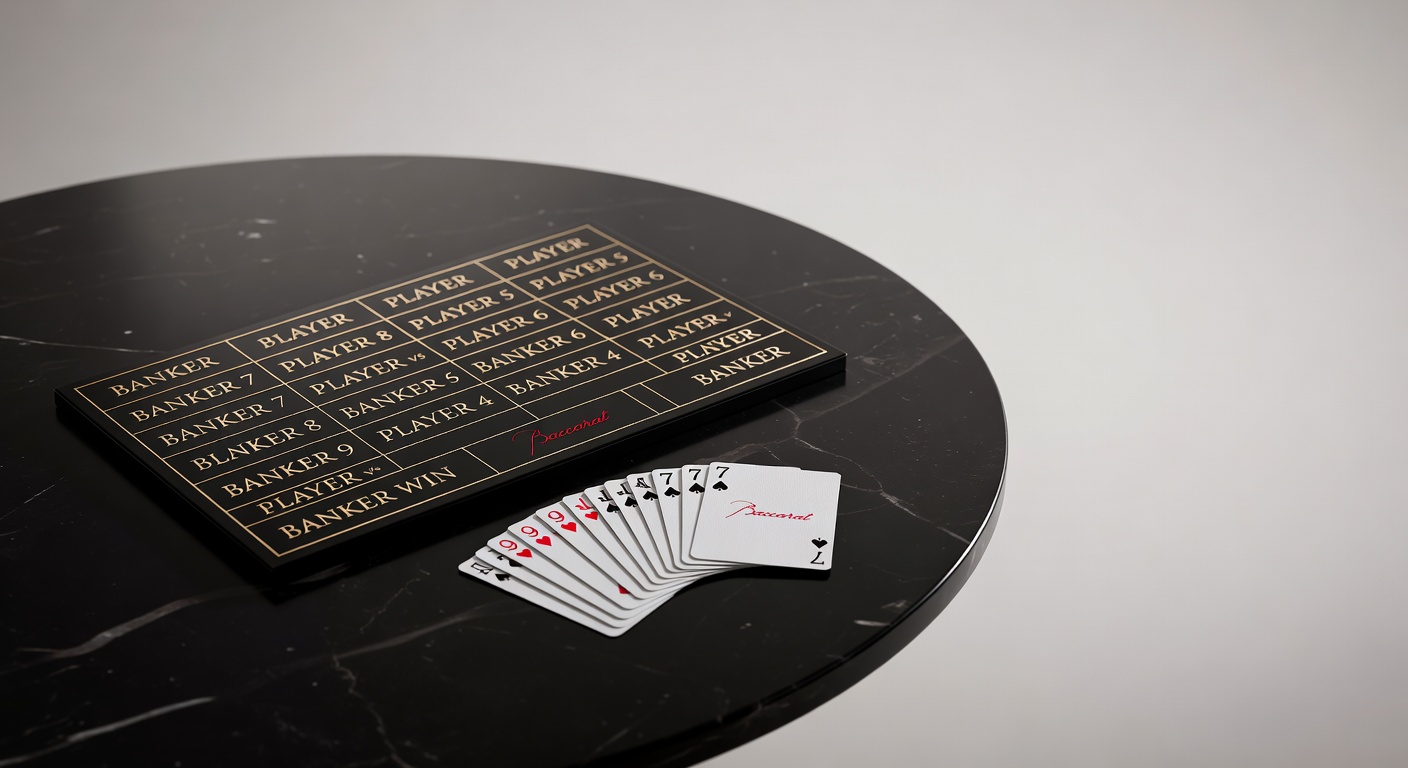
Baccarat runs in streaks. This is not design; this is mathematics. Any 50-50 game will produce winning and losing sequences.
A streak of 10 Banker wins in a row has probability of 1 in 1,024. It will happen. When it does, a player at the table experiences profound cognitive distortion. The streak feels like information. It feels like the table is hot. It feels predictable.
This is the gambler's fallacy. The probability of the next hand is still 50-50. But the streak creates the illusion that the odds have shifted. Shrewd players can know better intellectually and still fall victim because streaks are real (they're just not predictive).
Baccarat's simplicity amplifies this. There are no decisions to second-guess. You cannot blame yourself for wrong play. You can only blame luck. And if luck feels like a streak, luck feels like something you can read.
The Financial Bleed
In Knight's case, the losses were reported in casino records. She played regularly, betting in the 5,000 to 25,000 dollar range per hand. High-limit baccarat.
At a 50-50 game with a 5% commission, the house expects to earn roughly 2.5% of all money wagered. If Knight wagered 1.2 million over a decade, the house would expect earnings of 30,000 dollars (assuming she played across many casinos and neither won nor lost significantly).
But she lost 1.2 million gross. This suggests a combination of factors: extremely bad luck, increased bet sizing after losses (a chase strategy), or both.
Baccarat's speed accelerates the bleed. A hand resolves in 30 seconds. You can play 120 hands per hour. At 10,000 per hand, that's 1.2 million dollars cycling through the table in an hour.
Compare to blackjack, where a hand takes 2 minutes and you can reasonably raise your stake only when you're winning. Baccarat offers no such friction.
Why Casinos Prefer Baccarat
Casinos love baccarat because it's reliable. The house edge is fixed at about 1.06% on Banker, 1.36% on Player, 14.4% on Tie (no one bets Tie long-term). There's no variance in the long run; there's only mathematics.
For the player, though, variance is brutal. A player can lose 1.2 million dollars in a decade at baccarat despite the low house edge. Why? Because the low edge means the casino never has to change anything. The game will eventually grind the player's bankroll down.
A game with a 2% house edge at blackjack at least grants you the possibility of skilled play, of reducing the house advantage through good decisions. Baccarat grants you nothing except the hope that this streak will break.
The Lesson
Known strategy for this problem: Do not play baccarat if you have a finite bankroll. Period. A millionaire could play baccarat indefinitely and expect to lose 1% of their balance per year. A person with a defined stake (1 million dollars) will eventually reach zero.
Gladys Knight was financially shrewd outside of gambling. But financial shrewdness does not transfer to games with no skill component. The math is working against you. The streaks are real and meaningless. The only strategy that works is the one she eventually adopted: not playing.
Wings for this entry