I spent 12 years in financial crimes. KYC and EDD are not just compliance jargon. They are the tools that stop money launderers.
KYC: The Baseline
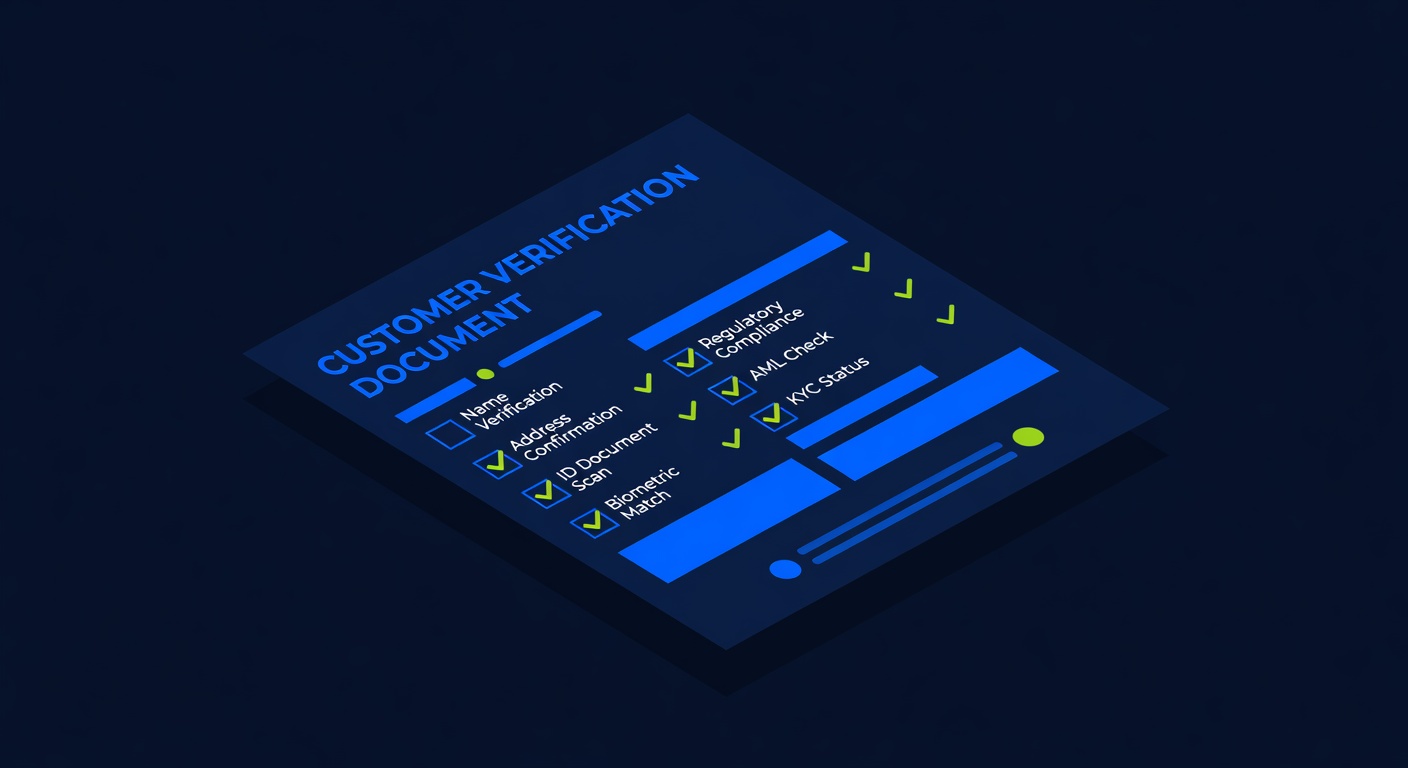
Know Your Customer requires a casino or sportsbook to verify three things: identity, address, and source of funds.
Identity: government-issued ID. Driver license, passport. The operator photographs it and stores it.
Address: proof of residence. Utility bill, bank statement. Dated within 90 days.
Source of funds: where the customer says their money comes from. Employment, business, inheritance. The customer declares it. The operator records it.
KYC is completed in minutes. The customer provides documents. The operator verifies them against official records. The account is approved.
EDD: The Deeper Dive
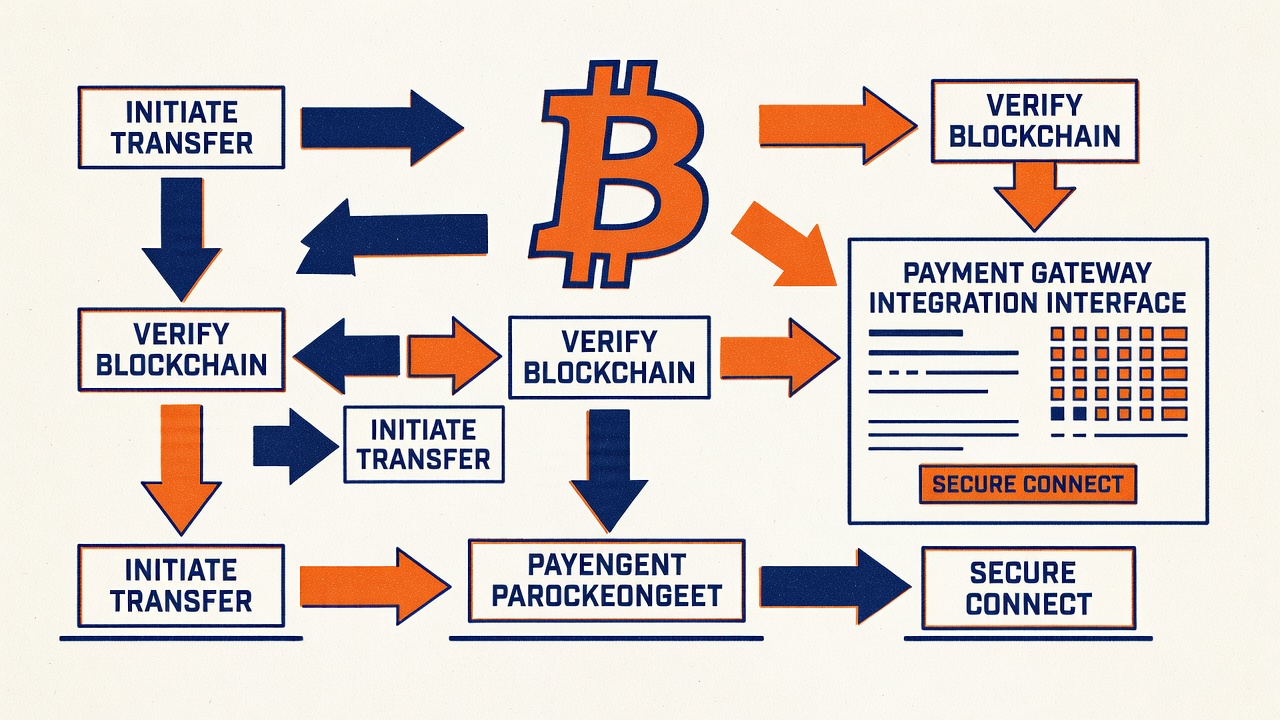
Enhanced Due Diligence is triggered when something about the customer raises suspicion. High-value deposits. Unusual geographical patterns. Rapid fund transfers. Multiple deposits and immediate withdrawals.
When EDD is triggered, the operator investigates. They may ask follow-up questions: Why are you depositing $50,000 from a cryptocurrency wallet based in a high-risk jurisdiction? Who owns that wallet? What is your business relationship to that owner?
The customer must answer with documentation. Bank statements. Business contracts. Proof of employment.
EDD can take weeks. Some customers abandon their accounts rather than provide documentation.
The Difference in Practice
KYC stops casual criminals. A money launderer with a basic fake ID cannot pass KYC because the operator checks the ID against official records.
EDD stops sophisticated criminals. A money launderer with multiple legitimate-looking accounts depositing $49,000 each (below reporting thresholds) to avoid detection might pass KYC. But EDD asks: why multiple accounts? Why the specific deposit amounts? Why immediate withdrawals?
Who Triggers EDD
Operators have automated EDD triggers. If a customer deposits over $50,000, EDD is triggered. If a customer withdraws $10,000 in the first 72 hours after depositing $50,000, EDD is triggered. If a customer's location changes rapidly (betting from London one day, Moscow the next), EDD is triggered.
These triggers are designed to catch suspicious patterns.
The Cost
KYC costs an operator approximately $2-$5 per customer. It is automated mostly. Identity verification is done through third-party services like LexisNexis.
EDD costs approximately $50-$500 per customer, depending on complexity. An analyst must review documents, ask follow-up questions, sometimes make phone calls.
DraftKings absorbs this cost. They view it as cost of regulatory compliance. Operators who refuse to do EDD properly face licensing revocation.
The False Positive Problem
EDD triggers sometimes flag legitimate customers. A business owner who deposits $100,000 from a cryptocurrency exchange to fund their sportsbook account might be flagged. They have to explain their entire fund source.
This is intentional. False positives are acceptable. False negatives (letting money laundering through) are not.
The Regulatory Standard
The UKGC requires KYC on all customers and EDD on high-risk customers. The MGA (Malta) has similar requirements. Curaçao eGaming is less stringent, which is why some operators choose Curaçao licensing despite lower reputation.
What Criminals Do
Money launderers respond to EDD by:
- Structuring deposits below thresholds (smurfing)
- Using multiple operator accounts
- Using shell companies to obscure beneficial ownership
- Mixing legitimate funds with illicit funds to create confusion
The operators and regulators respond by tightening EDD triggers and investigating patterns.
The Real World
I investigated a money laundering case where a customer used Stake to launder $2 million over 6 months. The deposits were individually under $50,000. The account had 200 deposits and 195 withdrawals. Stake's system should have flagged this as unusual.
It did. EDD was triggered. The customer was asked to explain. They provided forged documents. Stake reported them to law enforcement.
The system worked.
The Takeaway
KYC is the door check. EDD is the background investigation. Casinos use both because money laundering is expensive for operators (regulatory fines run into millions). Doing KYC and EDD properly is cheaper than paying fines.
Wings for this entry