Celebrity endorsements in gambling are a regulatory issue, not a marketing issue. The jurisdictions that have restricted them (United Kingdom, Spain, Portugal) did so based on evidence of harm.
The UK Ruling
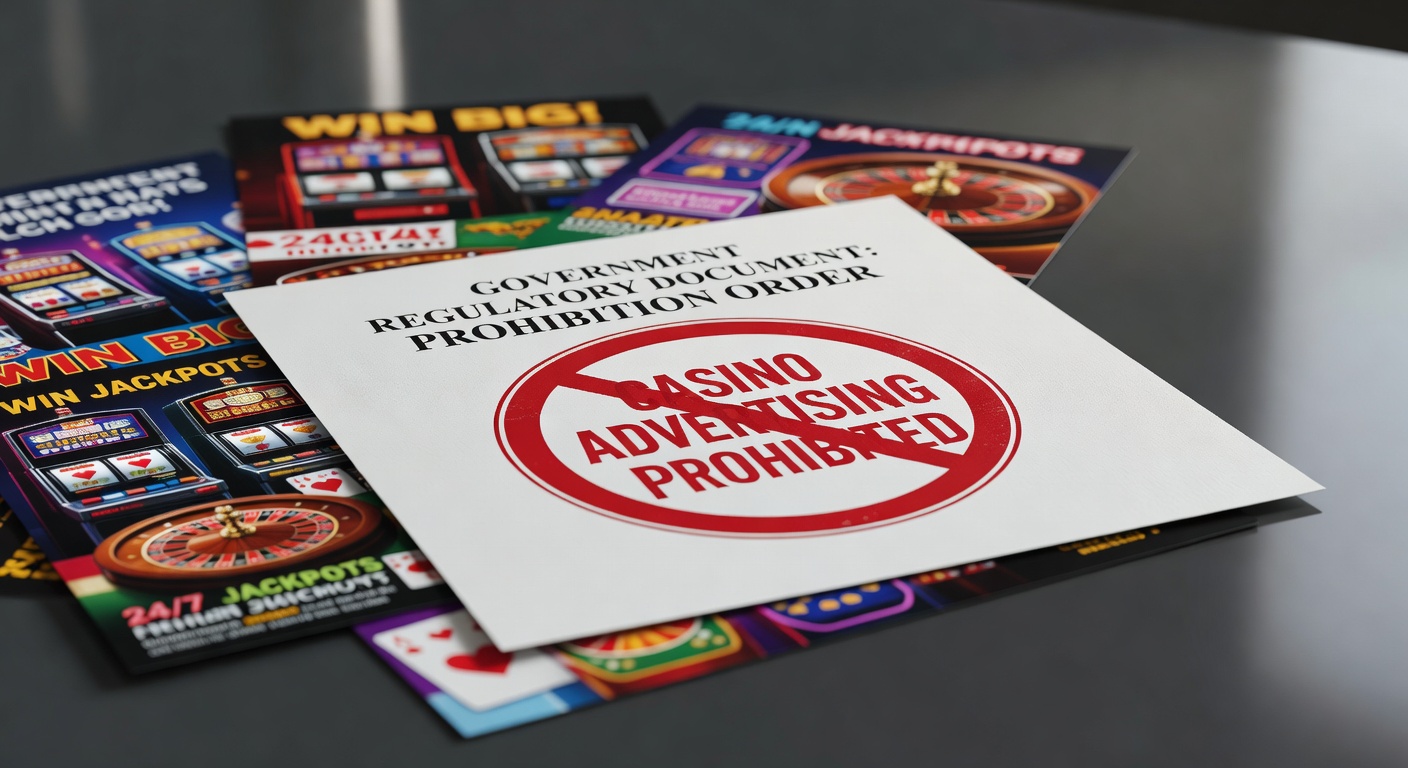
In September 2022, the UKGC issued guidance that prohibited high-risk gambling operators from using celebrity and social media influencer endorsements. The restriction applied to operators whose primary product was sports betting or casino games.
The basis: research showing that young adults (18-24) with high social media consumption are more likely to develop problem gambling if exposed to celebrity-endorsed betting ads.
The Mechanism
When a celebrity endorses a sportsbook, the celebrity becomes a proxy for the operator. The young adult sees a trusted person recommending the product. Trust transfers from the person to the product.
In traditional advertising, this is intended. In gambling, it creates a specific harm: young adults with limited gambling experience trust a celebrity's judgment over regulatory guidance.
The Evidence
Studies by Responsible Gambling UK and the University of Bristol found that:
- Young adults exposed to celebrity gambling ads were 2.3 times more likely to gamble in the next 30 days
- Among those who gambled, problem gambling rates were 35 percent higher if they had seen celebrity endorsements
- The effect was strongest among males aged 18-22
These findings drove the UKGC ruling.
How Operators Responded
Instead of using celebrities, operators hired former athletes to discuss strategy. William Hill employed a retired professional gambler to host educational content about odds. The content is not endorsement. It is education.
This technically complies with the UKGC ruling. The operator provides information. The fact that the information makes the operator look good is secondary.
The Jurisdictional Variation
Spain and Portugal both banned celebrity endorsements in 2023 under pressure from UKGC harmonization. Germany is considering similar restrictions.
The United States has no federal ban. Individual states do not regulate celebrity endorsements specifically. Nevada, New Jersey, and Pennsylvania all allow them.
Why the Variation
US regulators prioritize operator revenue. European regulators prioritize player protection. Different frameworks lead to different policy.
The UKGC's authority comes from the Gambling Act 2005, which mandates consumer protection. The NEVADA Gaming Commission's authority comes from Nevada statutes that prioritize industry stability.
The Loophole
Celebrities can still endorse gambling if:
- They clearly disclose they are paid
- The endorsement includes responsible gambling messaging
- The operator is not classified as high-risk
Stake, a high-risk operator, cannot use celebrity endorsement. DraftKings, classified differently in some jurisdictions, can use them if disclosure is clear.
The Ethical Debate
Operators argue the ban infringes on free speech and the celebrity's right to make money. Regulators argue the ban protects vulnerable populations from predatory marketing.
Both arguments are correct. This is why different jurisdictions draw the line differently.
The Future
The trend is toward stronger restrictions. The UKGC is reviewing the ban's effectiveness. If problem gambling rates among young adults decrease, other jurisdictions will likely follow.
If rates stay flat, the ban will probably be seen as ineffective and may be reversed.
Regulation follows evidence, not principle.
Wings for this entry