Daniel Negreanu arrived in Las Vegas in 1995 with seven hundred dollars and the temperament of someone for whom poker was not a career but a lifestyle. He was young, he was good, and he had the kind of charm that made opponents want to play against him even if they knew he was better than them.
The documentary, directed by someone with genuine taste (not a documentary-festival casualty), begins in his childhood and moves through his career chronologically. It shows his early days in Vegas playing in low-stakes games. It shows his first tournament victory. It shows his rise to prominence in the late 1990s and early 2000s, when poker was becoming televised and celebrities were becoming interested.
The middle section is all wealth and success. Negreanu wins tournaments. He becomes the face of poker. He writes a book. He appears on television. He becomes the voice of poker strategy for a generation of young players who learned poker from his books and his play.
But the documentary's second half is different. Poker changes. Young players begin using computers to analyze hands. The game becomes more technical and less intuitive. Negreanu's style, which had relied on reading opponents and making exploitative plays, becomes less effective against players who play from a calculated theoretical framework.
The Adaptation Problem
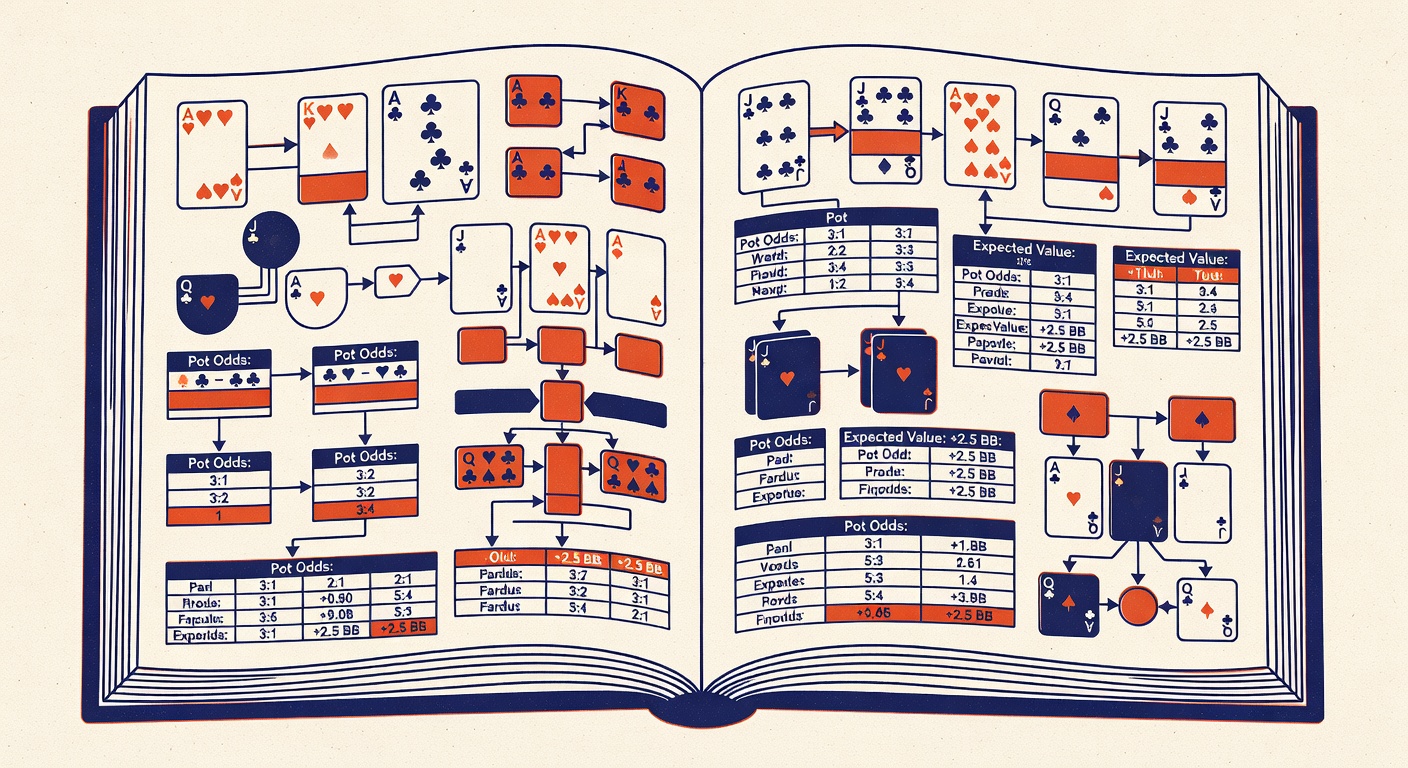
Negreanu struggles to adapt. He tries. He learns game theory optimal (GTO) play. But his heart is not in it. He prefers exploitative poker, the kind where you read your opponent and make a play that targets their specific tendencies. GTO poker is impersonal. It is about playing theoretically correct poker, not about understanding the player across the table.
The documentary does not judge this struggle. It simply documents it. Negreanu has winning years and losing years. He enters tournaments and cashes occasionally but does not dominate. The young players who learned from his books are now beating him using methods he did not teach them because those methods did not exist when he was learning.
What makes the documentary compelling is that it does not reframe this as tragedy. Negreanu is still wealthy. He still has a career. He still has respect from other professionals. But he has been displaced as the best. A player who was once undisputed is now one of many very good players.
The documentary also shows that Negreanu's problem is not that he stopped trying. He clearly cares deeply about his legacy and his place in poker. His problem is that poker's best practices evolved in a direction that did not suit his strengths. He could not change his thinking fast enough to compete with players who had learned from the beginning using modern theory.
There is a scene where Negreanu watches footage of himself playing in the late 1990s. He is loose, aggressive, intuitive. Then the documentary cuts to modern footage. He is tighter, more cautious, trying to apply theory that does not feel natural. The change is visible. He became more correct but less effective.
The documentary's final section deals with his attempt to return to high-stakes cash games. He enters games in Las Vegas. He has some wins and some losses. Nothing remarkable. He is no longer the best player in the room. He is one of the good players in the room. This is not failure. It is displacement.
Netflix released this documentary knowing most viewers would not understand poker. But they released it because Daniel Negreanu is a human being whose life is interesting: a person who was the best at something, made wealth from that thing, and then had to watch other people become better than him. The documentary is about adaptation, about whether mastery can persist when the game changes. For Negreanu, the answer appears to be: not entirely.
Wings for this entry