I spend my time translating poker marketing into what it actually says. Let me translate a famous hand.
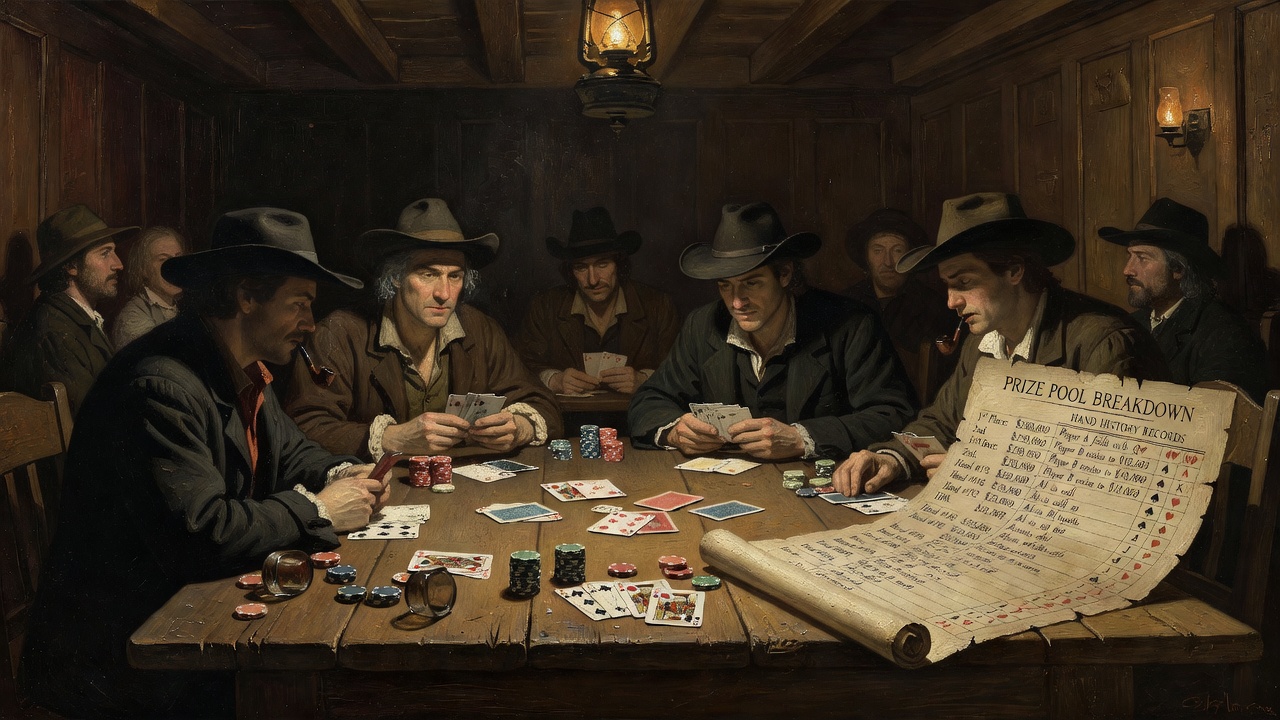
The hand: Tom Dwan, Phil Ivey, and Patrik Antonius played a three-way pot at the 2009 World Series of Poker Europe high roller. The pot grew to approximately $2 million.
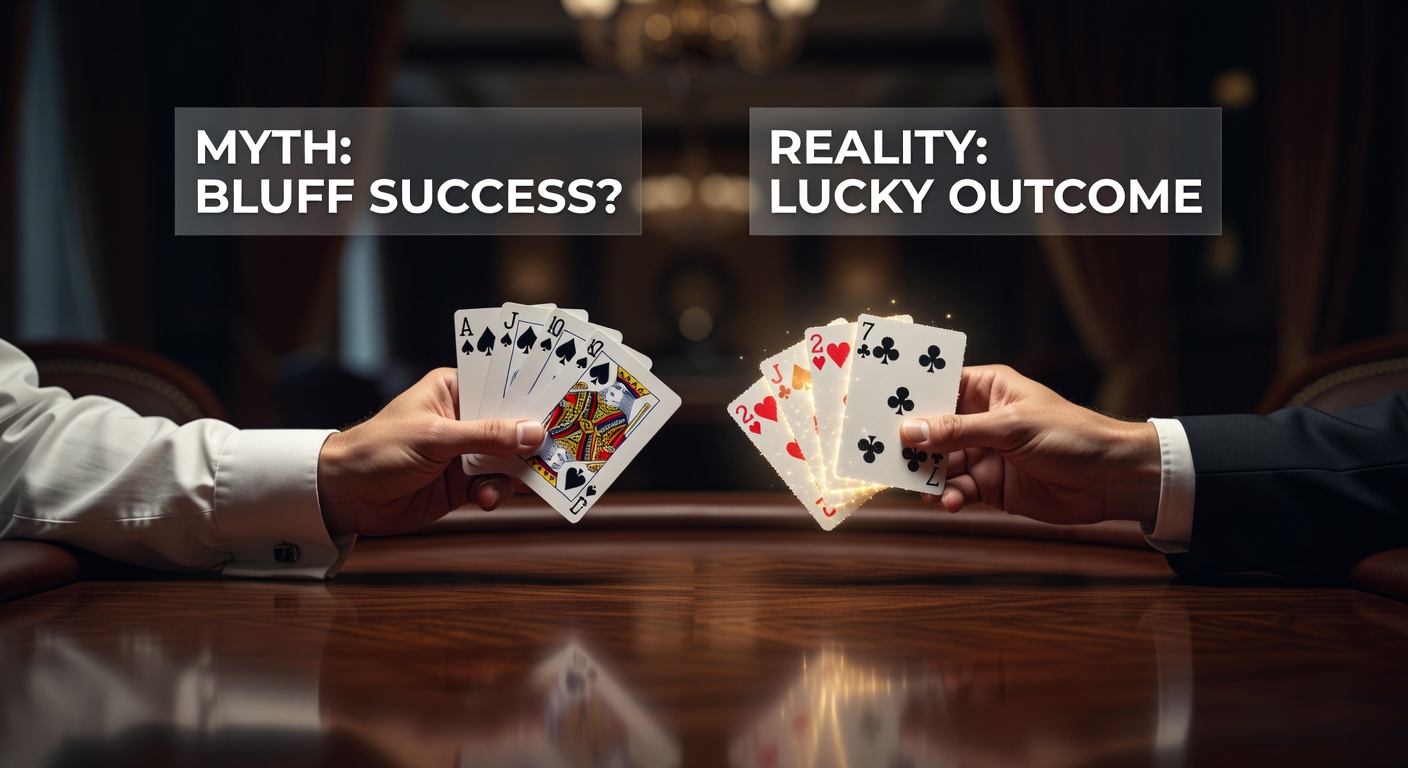
Here is what the marketing says: "Three of poker's best played a hand that shows their genius." Here is what it actually says: "Three skilled players got lucky and made big money from variance."
The Actual Hand
The specific cards are less important than the structure. Preflop betting was aggressive. Multiple players committed money with incomplete information. The flop hit in ways that created difficult decisions.
Each player had a strong hand. Ivey had a draw. Dwan had a pair. Antonius had a better pair. The betting continued.
The turn came. More betting. The river came. Final bets. Showdown. Dwan won with the best hand at the end.
What the Marketing Obscures
Poker marketing wants you to think the hand showed skill. Each player made brilliant plays. The winner was smarter.
The reality: the hand showed variance. Three skilled players played a spot where the outcome was uncertain. One got lucky. That player won.
All three made reasonable decisions with the information available. The winner happened to be correct.
Why This Hand Matters
The hand matters because it involves the most skilled players and the largest pot. This combination creates a narrative.
But skill and luck are not separable in a single hand. Skill determines expected value over hundreds of hands. A single hand is variance.
The Translator's Job
When a poker hand is described as "legendary," what does that mean?
It could mean: the hand demonstrated exceptional skill. Or it could mean: the hand was notable because of the stakes, the players, or the outcome.
Usually, it means the latter. The hand was notable because $2 million changed hands, not because the skill on display was higher than usual.
The Real Lesson
If you want to learn poker from this hand, the lesson is not about the specific plays. It is about how uncertain poker is even at the highest level.
Ivey, Dwan, and Antonius are among the best players in the world. They all played reasonable poker. One won. Variance.
This is true of every hand of poker, ever. Skill creates an edge. Variance creates outcomes. They are both present.
Marketing vs Reality
Poker media markets hands as skill. Poker companies sell poker as a game of skill (which it is, partially).
But the hands that get replayed in marketing are usually the ones where a star player won a big pot. The hands where they lost big rarely make the highlight reel.
This survivor bias creates a false sense of skill. You watch the best players win the best hands. You don't watch them lose.
The Takeaway
The three-way pot between Dwan, Ivey, and Antonius was a notable poker hand because it had high stakes and elite players. It showed that even the best players face uncertainty in individual hands.
It did not show anything profound about poker skill. It showed that poker variance is large even with skill present.
Wings for this entry