A young man in Michigan opened a DraftKings account. He lived in Michigan where sports betting was legal. But he drove across the state line to Ohio for a weekend. When he tried to place a bet from Ohio, the app blocked him.
Geolocation enforcement is where regulation meets technology.
How It Works
When you open a sports betting app, the app requests location permission. Most users grant it. The app uses your phone's GPS to determine your physical location.
The app compares your location to a map of licensed jurisdictions. Michigan is licensed. Ohio is not. If your GPS shows you in Ohio, the app blocks betting.
This is not a software error. It is regulatory compliance.
The Technical Layers
Geolocation uses multiple data points:
- GPS from your phone's location services
- IP address from your internet connection
- Cell tower triangulation from your cellular network
Sportsbooks use all three and cross-reference them. If GPS says Michigan but IP address says Ohio, the system flags the inconsistency and blocks the bet.
The False Positive Problem
Geolocation is imperfect. GPS can drift. A player standing near a state border might flip between states.
DraftKings requires confirmation. If you are near a border, the app asks: are you in Michigan? You confirm. The system processes your answer.
But if you confirm you are in Michigan when you are actually in Ohio, you are committing fraud. Your account can be permanently closed.
The Casinos' Perspective
Geolocation is mandatory because licensing is jurisdiction-specific. A sportsbook licensed in Michigan cannot legally take bets from Ohio.
If they do, they violate Ohio gaming law and lose their Michigan license. The cost of breaking geolocation is not worth the revenue from Ohio bettors.
So the enforcement is strict.
The Bypass Attempts
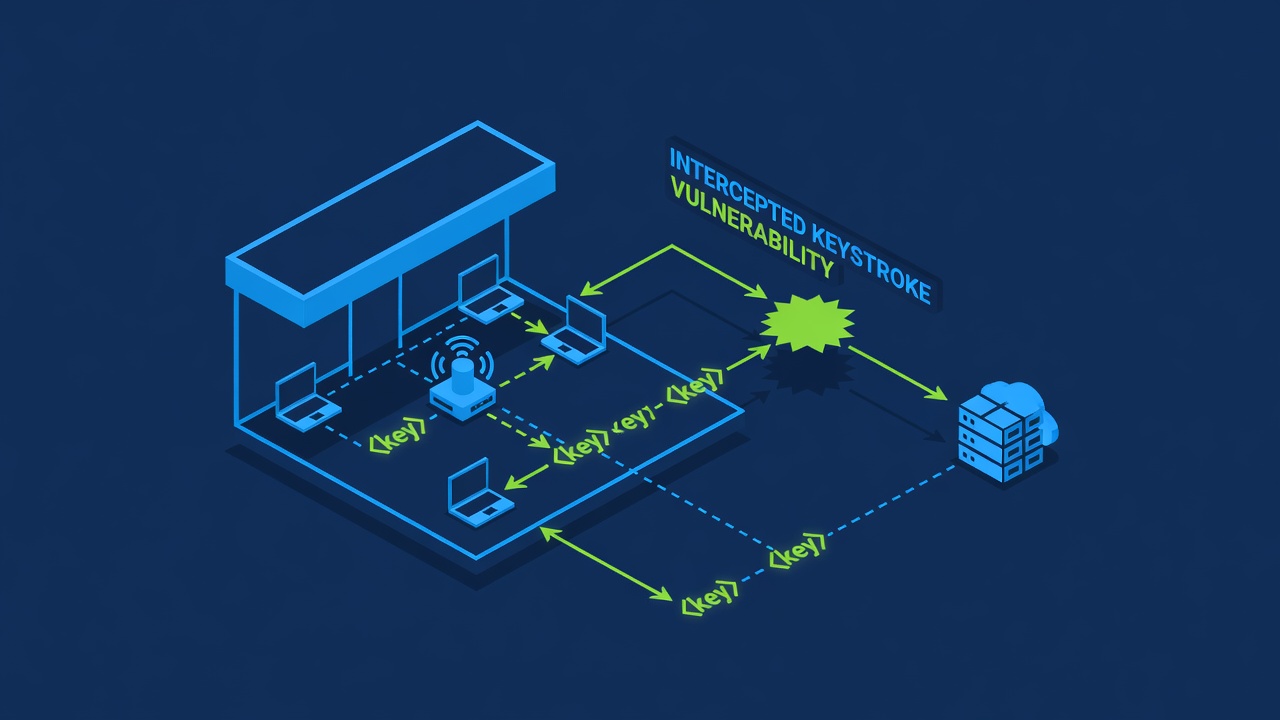
Players sometimes try to bypass geolocation using VPNs (Virtual Private Networks). A VPN masks your IP address and makes it appear you are in a different location.
Sportsbooks detect this. When an IP address suddenly jumps from Michigan to California to Michigan in the span of seconds, that is a red flag. The account gets flagged. Sometimes it gets closed.
The Withdrawal Consequence
If your account is closed for geolocation fraud, your funds are typically frozen pending investigation. You might get the money back. You might not.
Bet365 explicitly states in their terms: "If you use geolocation fraud, your account is subject to closure and funds forfeiture."
This is not empty legal language. It is enforced.
The Multi-State Problem
A player licensed in Michigan, Pennsylvania, and New Jersey has three separate accounts. Each account is geolocation-locked to its state.
If you travel from Michigan to Pennsylvania, your Michigan DraftKings account is blocked. Your Pennsylvania account is active. This is correct operation.
But if you try to access your Michigan account from Pennsylvania using a VPN to spoof your location, that is fraud.
The Regulatory Audit
States audit sportsbooks' geolocation compliance annually. The audit checks: did you block any bets placed from unlicensed jurisdictions? Did you allow any bets to pass geolocation screens that should have been blocked?
A sportsbook that fails this audit faces fines and possible license suspension.
The Future Technology
Geolocation will become more precise. Newer phones use more granular GPS. Network providers provide more accurate cell tower data.
The result: fewer false positives, tighter enforcement.
The Player's Responsibility
If you travel across state lines, understand that your sportsbook access is tied to your licensed home state. Betting from another state is illegal in most cases.
Geolocation enforcement is not a glitch. It is how the industry stays compliant with state gaming laws.
Wings for this entry