In this entry3 parts
You push through the casino doors, lights assaulting your vision, and the craps table screams. Six players surround the felt, hollering, the stickman twirling his stick with flair, someone just pulled in three thousand dollars. That roar? That's the maximum fun you get gambling with minimal bankroll at stake. And everyone gathered there is about to pick up something vital.
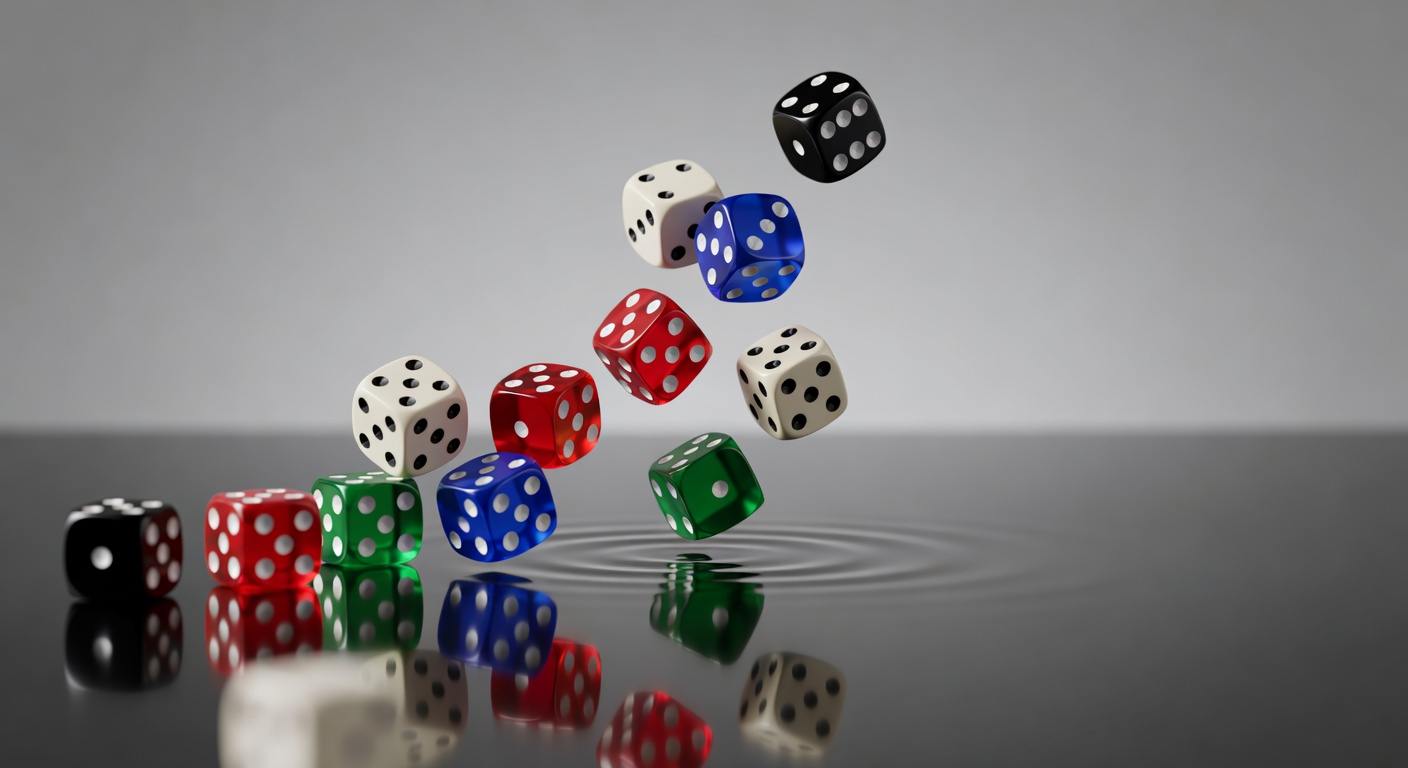
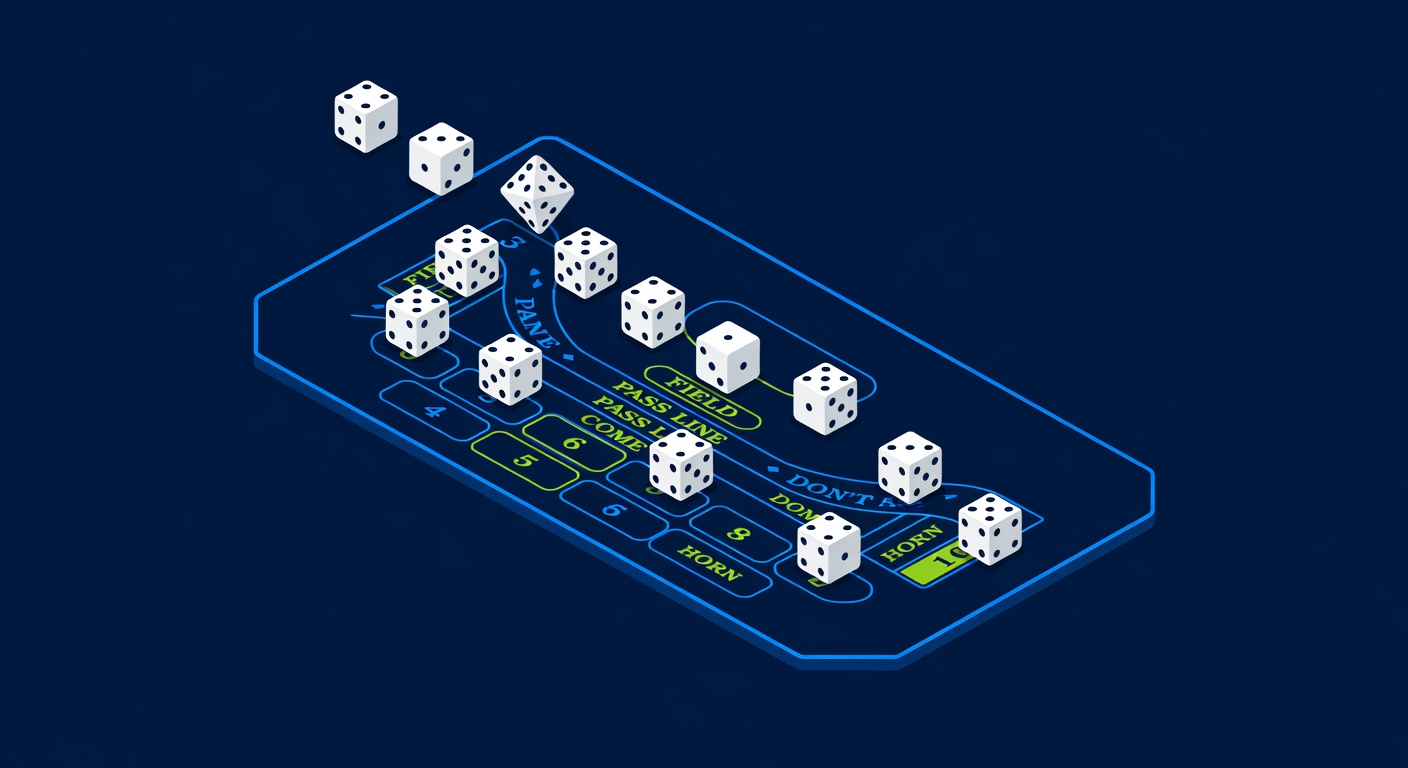
Craps appears complicated. Feels complicated because the layout shows what seems like fifty distinct betting options and the pace accelerates fast. But ninety percent of action is extraneous noise. You're targeting the pass line wager. That's your gateway. Roll the cubes, you want a seven or eleven. Hit that? You collect even money. Get two, three, or twelve? You lose. Anything else triggers establishing a point, then you're trying to hit that number again before rolling a seven.
That's the fundamental game. That covers everything essential you must grasp.
The Core Play Strategy
Approaching a craps table your first time brings intimidation since the terminology proves strange. "Snake eyes," "boxcars," "yo," "craps out." Those are stickman announcements. Absorb them or skip it. The calculations stay simple regardless.
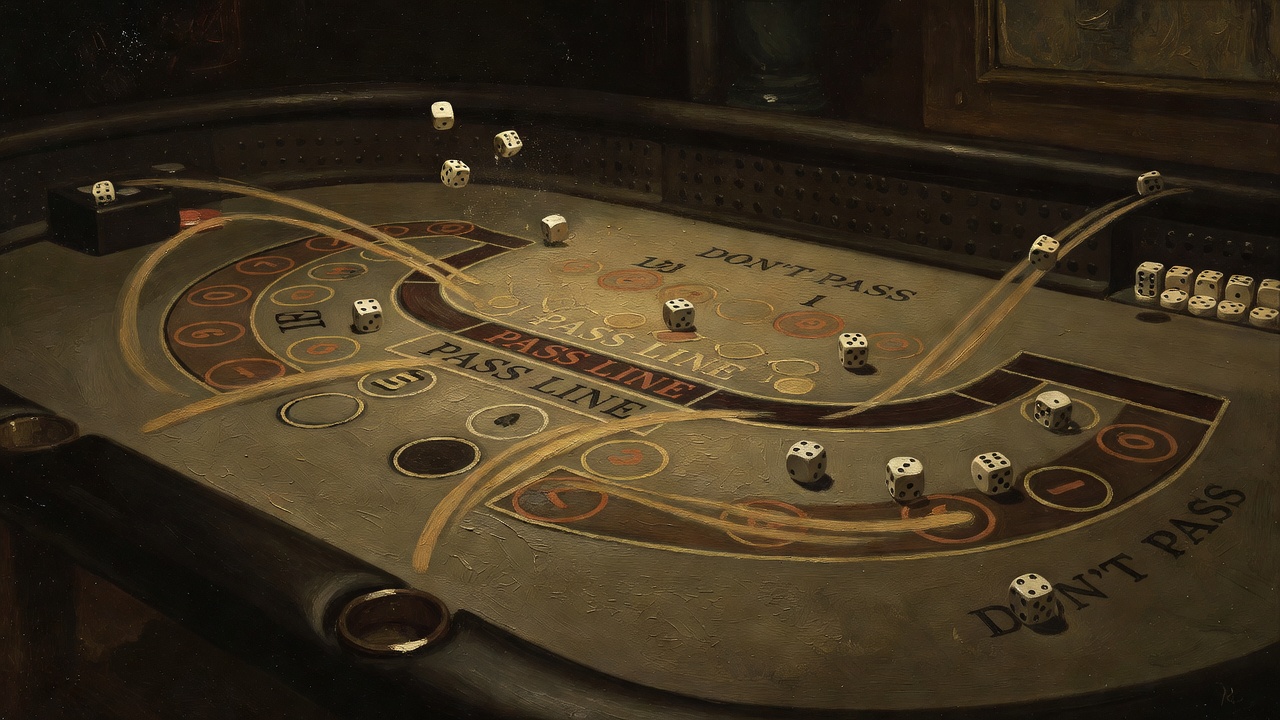
Pass line wager: you're betting the shooter prevails. If you roll four, your point becomes four. Keep rolling until you connect on four again, then victory, or until you throw a seven, then defeat. Straightforward stuff. The house edge on pass line action is 1.4 percent. Roulette runs 2.7 percent. You've already got an advantage over wheel players.
Don't pass wager: you're opposing the shooter. You triumph if the point hits seven before the established figure emerges. The house edge runs basically equivalent, roughly 1.36 percent. The sole difference: you're rooting for a different outcome than the crew around you. This shifts the social element. Everybody else wants that seven. You're the person hoping for seven to appear. Judgment follows. Adaptation happens.
The Odds Play
Here's where craps transforms from merely acceptable into genuinely fascinating. Once you set your pass line wager and a point gets locked in, you can make one additional action called "taking the odds." This represents the sole casino bet where the house carries zero edge. Pure mathematical fairness.
Your point: six. Actual odds of hitting six before seven come in at 6-to-5 against you. The house compensates you 6-to-5 when you take those odds and succeed. To bet true odds at the craps table, drop 6 dollars on the odds spot. You win? Collect 5 dollars profit. The house claims nothing. Pure mathematical precision.
Most gambling establishments permit taking 3 times, 4 times, or 5 times odds contingent on house policy. A 5 times odds game signifies if your original pass line action comes to 10 dollars, you can stake 50 dollars in odds. That produces massive advantage under the worst conditions imaginable: a house-neutral proposition. You don't manufacture profit. You shrink the house edge on your combined stake from 1.4 percent down to under 0.7 percent depending on the multiplier chosen.
Why would the house accept this? Volume. Standard customers sidestep odds completely. They hit the table, position pass and don't pass stakes, then exit. The house's 1.4 percent margin produces income. Gamblers embracing odds trim their predicted loss, yet they're also staking larger sums, meaning the casino extracts more currency per sitting even when the percentage edge dips.
"Craps is the game where taking the worst possible supplementary bet (odds) is truly the optimal decision. This perplexes people." - Dealer perspective from Las Vegas
The Discipline Layer
For first-timers, consider this bankroll framework: arrive with three hundred. Exchange one hundred for chips. Position a ten-dollar pass line wager. Once a point gets established, stake fifty on odds. Your full exposure per hand totals sixty dollars.
Five hands deplete your hundred. However: you likely capture two of them. Perhaps three. So you're playing six or seven hands. Twenty minutes of action. Maximum entertainment at the felt. Your predicted loss lands around eighty-four cents per spin, which feels inconsequential.
Then exit. You've experienced your entertainment. Your bankroll remains intact. Most people at that table came in holding two hundred and departed with seventeen in chips, chasing previous losses through proposition wagers carrying fifteen percent house edges.
Additional beginner-compatible bets populate the layout. The come action works like pass line activity triggering after points establish. Don't come mirrors it. Both work fine. They feature matching house margins versus pass or don't pass. The field wager, spanning nine different numbers, carries 5.6 percent house margin. Steer clear. Middle-layout proposition bets sport edges from 10-15 percent. These attract folks wanting to hemorrhage cash fast.
Core discipline: position your pass or don't pass action. Capture odds when the point materializes. Collect winnings. Skip everywhere else on the layout. Disregard stickman pitches for proposition bets. He gets compensation for pushing suboptimal stakes. The table explodes loudly precisely because craps at even odds runs somewhat dull. Yet boredom matches your objective when protecting bankroll while savoring competition.