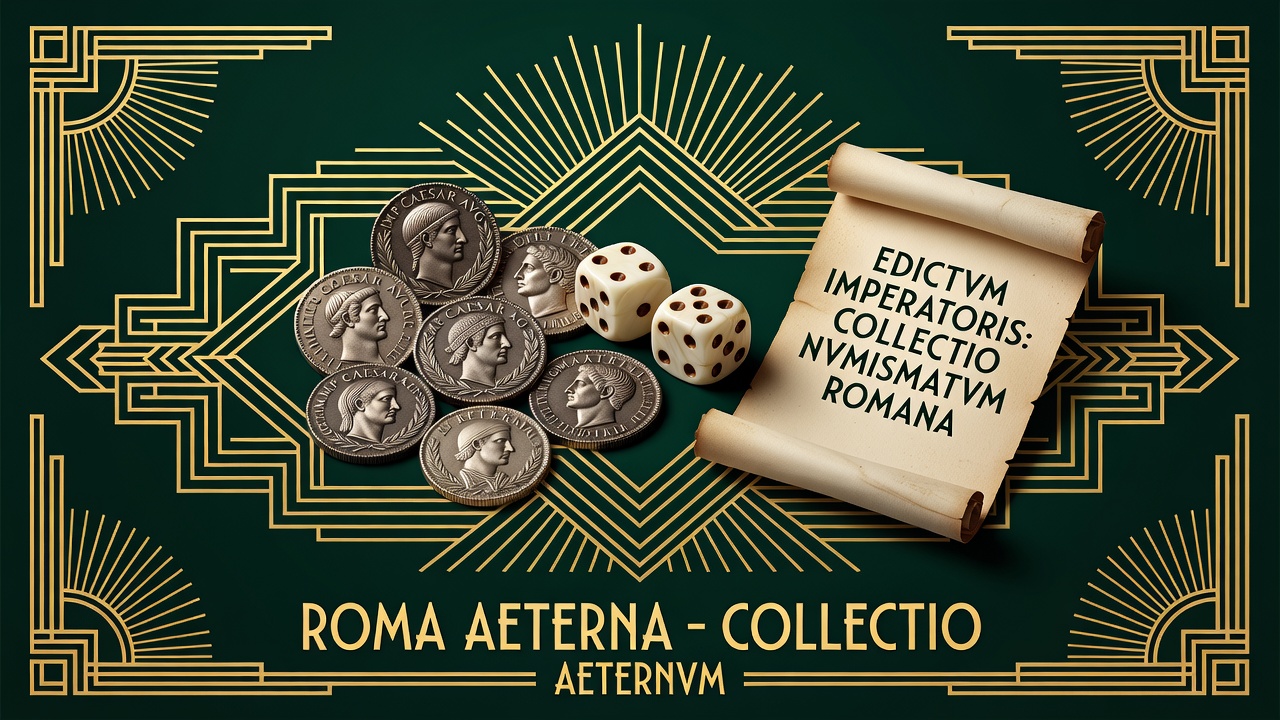
The Roman law was clear: no public gambling. The penalty was a fine equal to four times the amount wagered. Emperors issued the edict repeatedly. Augustus banned it. Tiberius tried to enforce it. Marcus Aurelius wrote about it as a moral failing.
None of it worked. Romans gambled constantly.
The games were simple. Dice (knucklebones, really, used as six-sided cubes). Card games with chips. Betting on chariot races (the ultimate spectator sport). A Roman citizen at any social level could find action.
The appeal was obvious. A slave could win money equal to a year's wages on a single roll. A senator could lose an estate (and did). Gambling offered mobility in a rigid class system. A lucky roll meant momentary transcendence.
The Social Reality vs The Legal Fiction
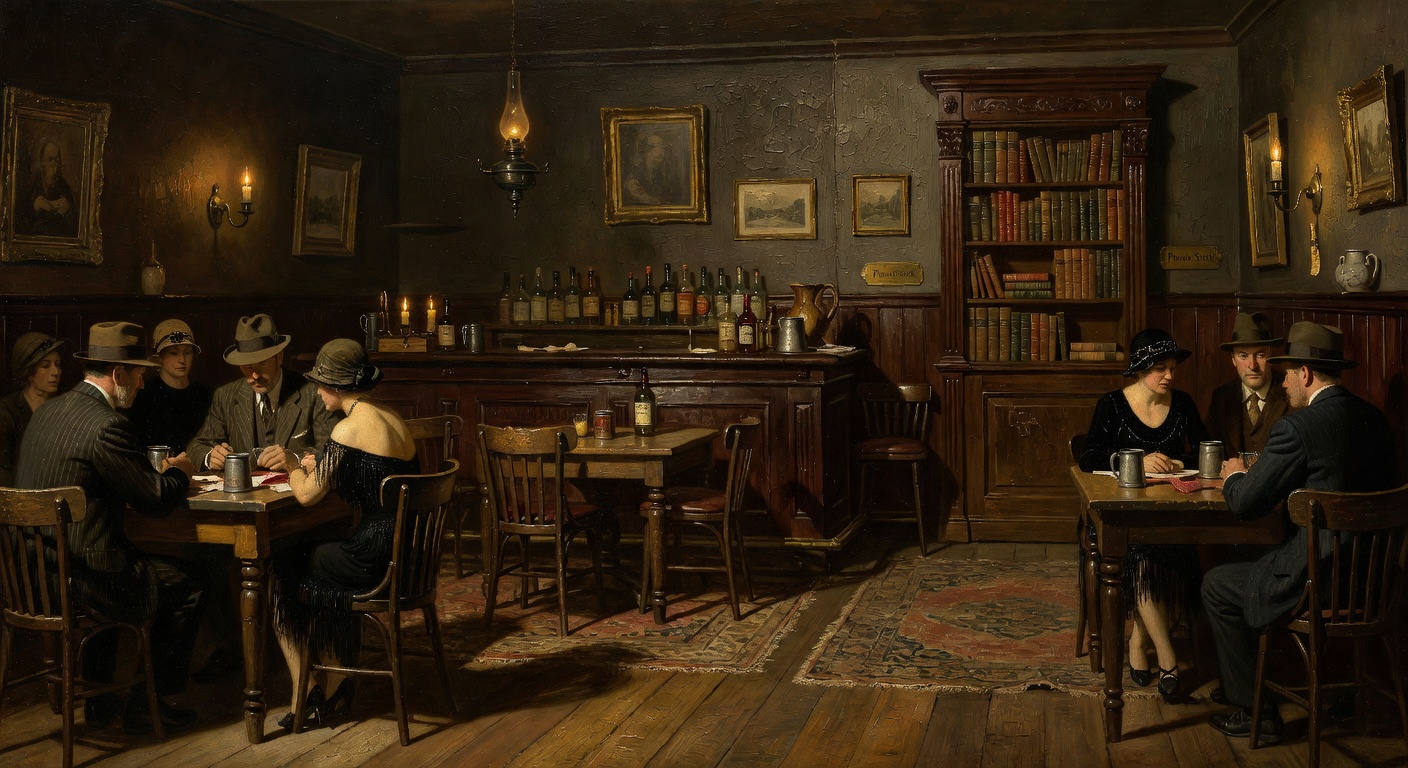
The ban existed on paper. In reality, gambling thrived in every city. Wine shops hosted games. Bathhouses had dice tables. Even soldiers, forbidden by law to gamble, gambled constantly.
Historians found thousands of carved dice in archaeological digs. Not subtle dice. Some were clearly loaded (weighted unevenly). The cheating was professional and widespread.
Emperors knew about the cheating. They knew about the illegal games. They issued edicts anyway, creating a legal fiction that served political purposes. Enforcement was selective and arbitrary.
A low-status person caught gambling might face real punishment. A high-status person caught gambling would be fined but never jailed. The law was not justice; it was social control theater.
Augustus and The Moral Project
Augustus believed gambling was a symptom of decadence and spiritual decline. He issued edicts against it. He was also, by some accounts, an avid gambler himself. The contradiction was obvious even then.
A contemporary writer noted the irony: Augustus would fine citizens for gambling while wagering himself. The hypocrisy was so naked that Romans joked about it.
This teaches something about gambling prohibition. When the law is arbitrarily applied and the lawgivers violate it, the law loses legitimacy. Citizens ignore it. Enforcement becomes selective and corrupt.
The Games: Alea and Ludus
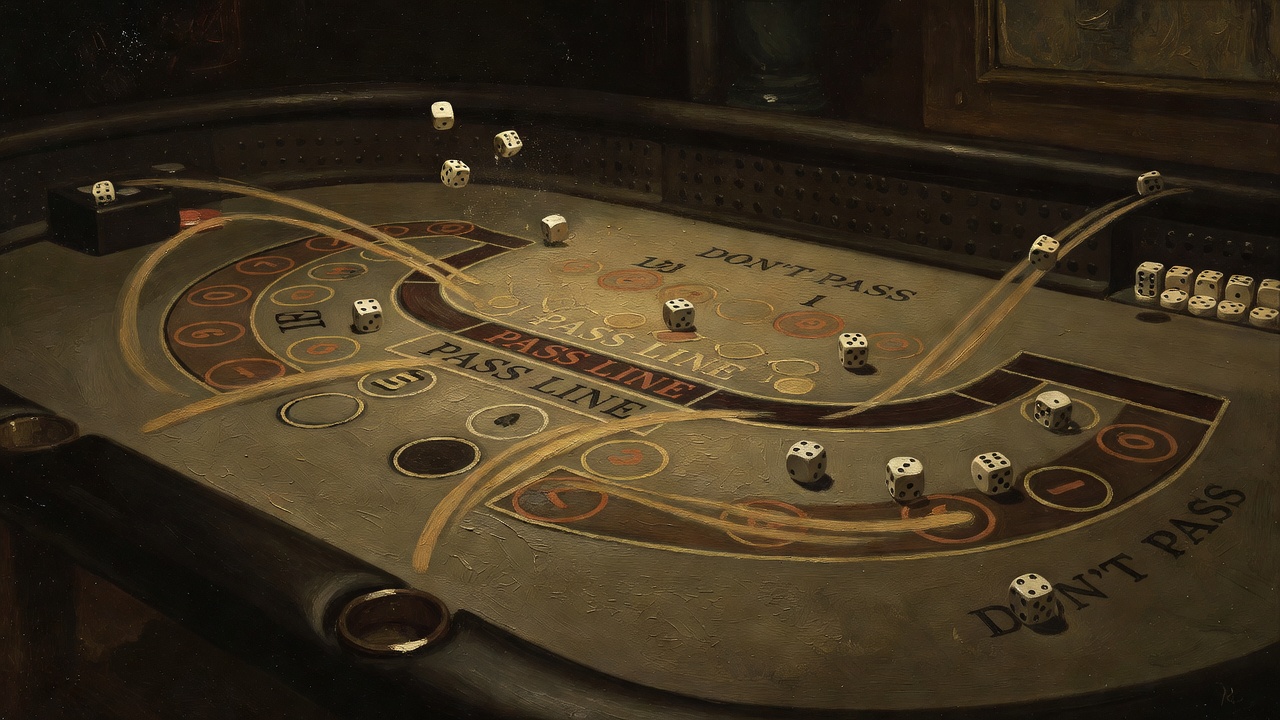
Alea (dice games) were the primary form. Two players rolled knucklebones. The winner was determined by the configuration. Betting happened before the roll. The stakes were variable.
Historians describe games in taverns where soldiers played for months straight, borrowing money from lenders at brutal rates. A soldier might win a fortune, then lose everything in a revenge game the next day.
Ludus was a broader category including board games and card games. Less documented, probably less popular than dice.
Chariot racing was the spectator gambling. Fans of the Blues or Greens (the two major racing factions) would bet their homes on the outcome. A riot over a race outcome could shut down the city.
The Cheating Problem
Loaded dice were common. Archaeology shows dice with lead weights inserted. The cheating was sophisticated. A professional cheater could load multiple pairs differently, switching between them depending on the betting situation.
Roman law actually had specific penalties for cheating. If caught using loaded dice, the penalty was harsher than if caught gambling. The logic: gambling was immoral, cheating was fraud.
This distinction still exists. Modern casinos accept gambling as legal (in most jurisdictions) but prosecute cheating harshly.
The Decline of Roman Gambling Culture
Gambling declined not because of legal prohibition but because of economic collapse. As the Western Roman Empire weakened economically (300-400 CE), fewer people had disposable income to gamble with.
The elaborate betting culture needed stable currency and leisure. When both disappeared, gambling became marginalized.
Later, Christianity provided a moral framework for prohibition that secular law had failed to establish. The combination of religious authority and legal authority made the ban stick (at least officially) through the Middle Ages.
The Recurring Pattern
Augustus banned gambling, then gambled himself. Modern governments ban gambling, then run lotteries. The pattern repeats: law is written to control the lower classes while the upper classes maintain privileges.
This is not morality. This is control.
The Romans understood something we still do not acknowledge clearly: you cannot ban an activity that people desperately want to do. You can only drive it underground, making it more dangerous and enriching criminals.
Augustus learned this. So did every emperor after him. So have modern governments. Yet we still pretend that prohibition works.
Roman gambling never stopped because Romans understood that some human desires are powerful enough to overcome legal barriers. The dice fell the same way in 100 CE as they do today: sometimes lucky, sometimes not, always irresistible.