1985 at the Resorts casino, the boardwalk was still beating. Atlantic City had money then. Real money. And the slots were simple: spin, win or lose, next spin.
Now the slots are layered. Feature spins. Bonus rounds. Holds and respins. I watched this change happen.
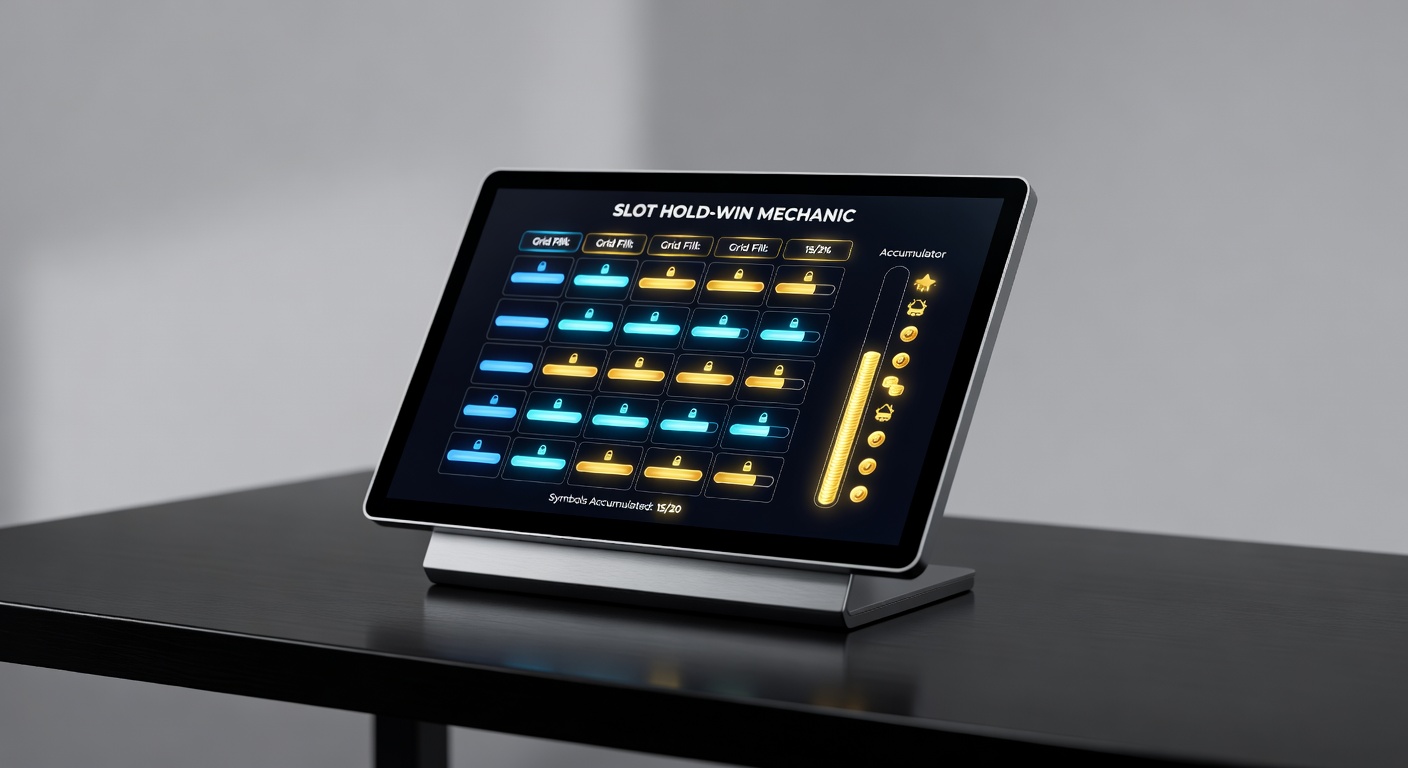
Hold and Win is one of those mechanics. You hit three hold symbols. Those symbols freeze. The reels respins. If you hit more of that symbol during the respin, you advance. Fill the board, you win the jackpot.
The Basic Mechanic
You spin. The game awards a Hold symbol (or multiple). Those symbols lock in place. The other reels respin.
If the respin lands another matching symbol, you get another hold. Or you're given extra respins. The progression is visible: you're building toward something.
Fill the board with the symbol, you win the jackpot. Or a multiplier. Or a bonus round.
The feeling is control. You're holding symbols. You're making progress. You're not just watching reels spin; you're constructing a win.
Why This Mechanic Is Psychologically Powerful
The near-miss effect is well-studied. A player who is almost at the jackpot (say, four of five symbols) feels closer than they are. The brain highlights the progress.
Hold and Win is engineered to maximize near-miss frequency. You get three holds fairly often. You feel like the jackpot is possible. The reels respin. You miss the fourth symbol by one space. So close.
You feel compelled to spin again. Just once more. The near-miss is not random; it's designed in.
The Mathematical Reality
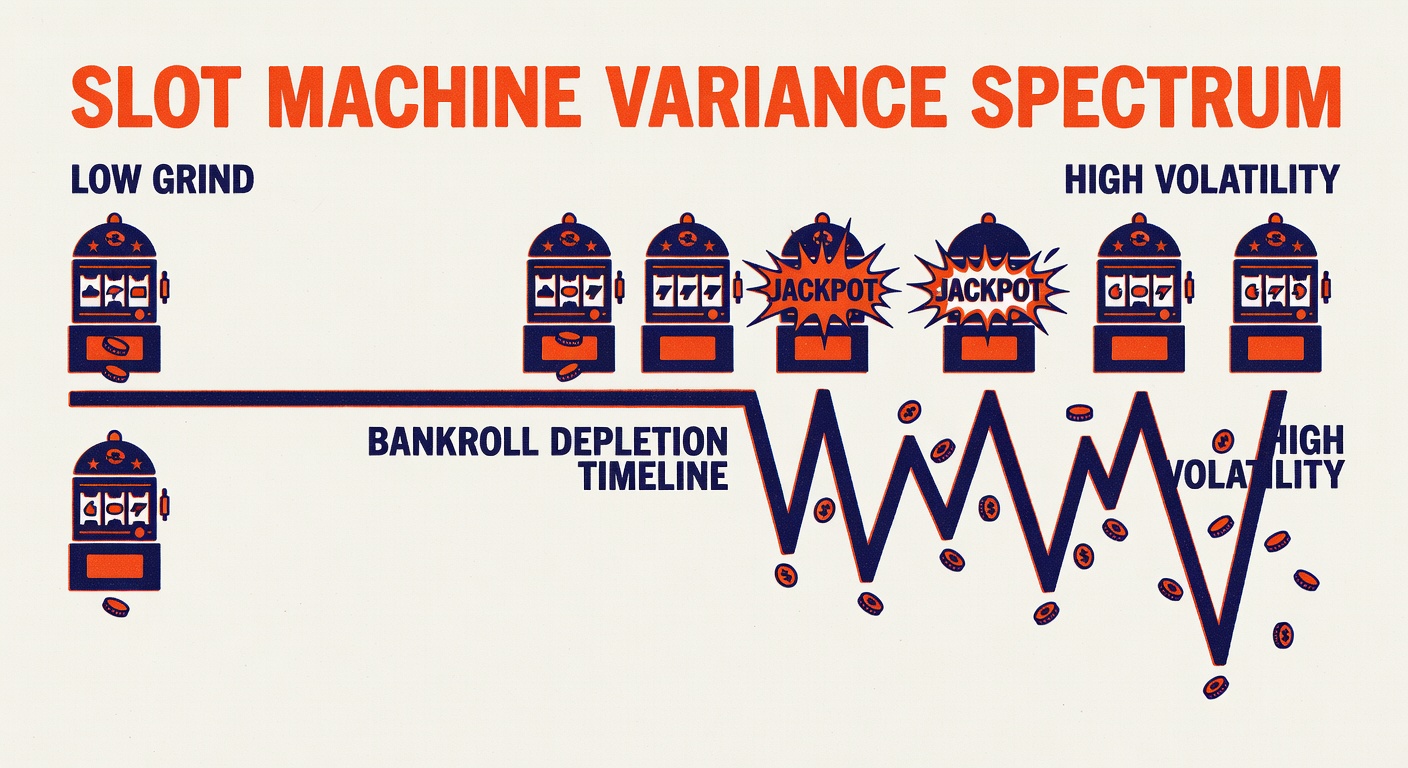
A Hold and Win game with a 96% RTP has the same house edge as any 96% RTP game. The mechanic is just window dressing.
But the perception changes. A plain slot where you spin and get nothing is boring. A Hold and Win slot where you get three holds, respin, almost get the jackpot, then fail feels like you almost won.
You didn't almost win. You were always going to fail. But the mechanic makes failure feel close.
The Modern Atlantic City
I walked the Resorts boardwalk last year. It was slower. The slot floor had changed. Everything was Hold and Win now. Every machine had holds and respins and bonus features.
I understood what happened: the industry learned to engineer engagement through near-miss mechanics. The simple spin-and-lose machine disappeared.
Atlantic City adapted. The Resorts, the Borgata, all of them upgraded their floors with games like these. The players seem to prefer them. Or at least they play longer.
Why Providers Love This Mechanic
Pragmatic Play, NetEnt, Microgaming: they all offer Hold and Win variants. Why? Because the mechanic increases session time.
A player who feels like they're building toward something stays longer than a player who is simply watching reels spin. The engagement is higher. The play time is longer. The house edge grinds out over more spins.
For the game provider, a longer session is more valuable than a shorter one. The mechanic serves everyone except the player.
The Progression Illusion
Here's the insidious part: Hold and Win uses visual progress to simulate skill.
You're not making decisions. The game is deciding what to hold and what to respin. You're not controlling the outcome. But the hold reels stay visible, and the respins give you the feeling of agency.
This is where the Atlantic City I remember died. The old machines were honest about what they were: devices that took money. The new machines pretend you have control.
What's Coming
Game designers are already moving beyond Hold and Win. Cascading reels. Multiplier climbing. Cluster pays. Each new mechanic is designed to increase engagement, maximize near-misses, create the illusion of progress.
The math stays the same. The house edge is constant. But the psychology gets more sophisticated with each iteration.
I remember when a slot was a slot. You put money in, you watched the reels spin, you either won or lost. It was clear.
Now it's theater. And the theater is designed to keep you seated for hours.