I worked the floor at the Flamingo from 1982 to 2008. I watched millions of dollars move across thousands of machines. The thing nobody outside the industry understands is that slots are not all the same. Two machines could have identical 96 percent RTP and feel completely different.
The difference is variance.
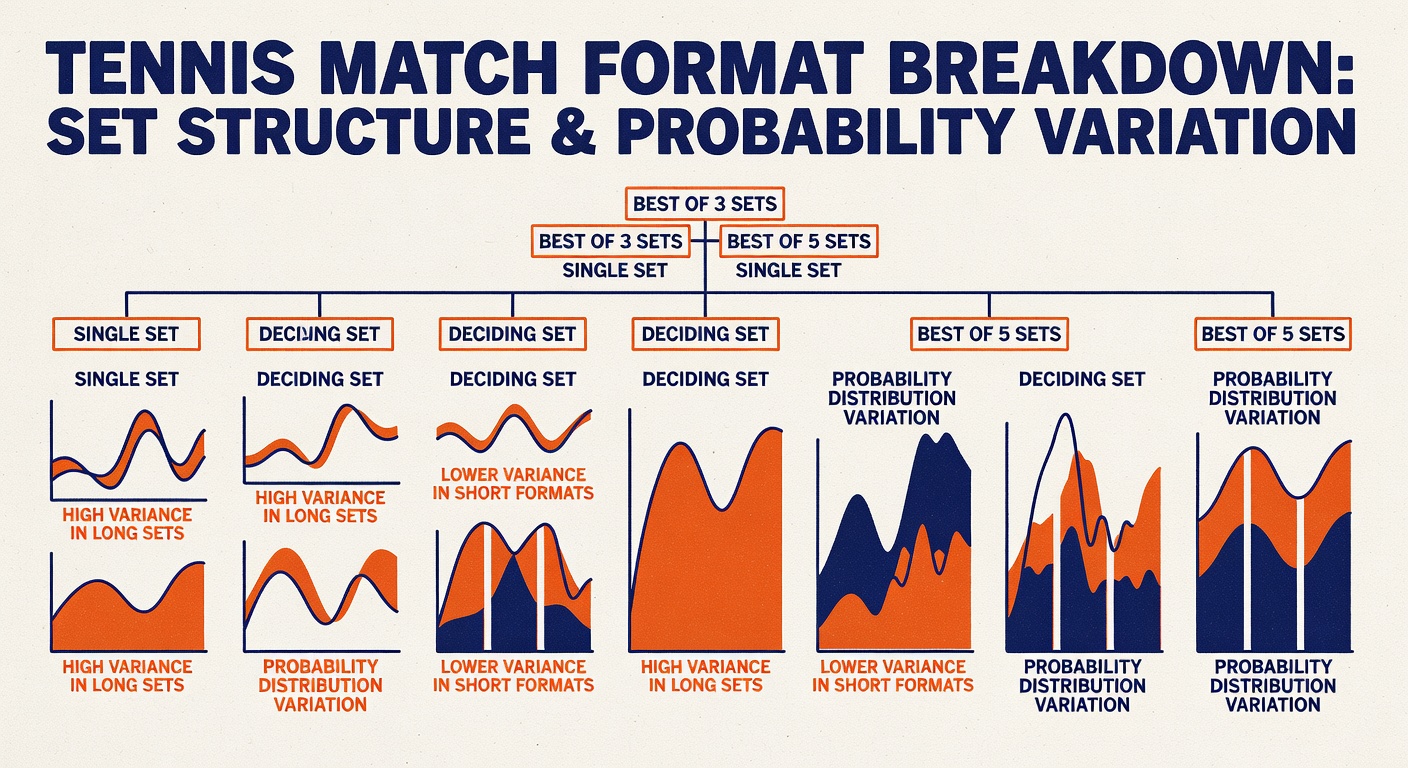
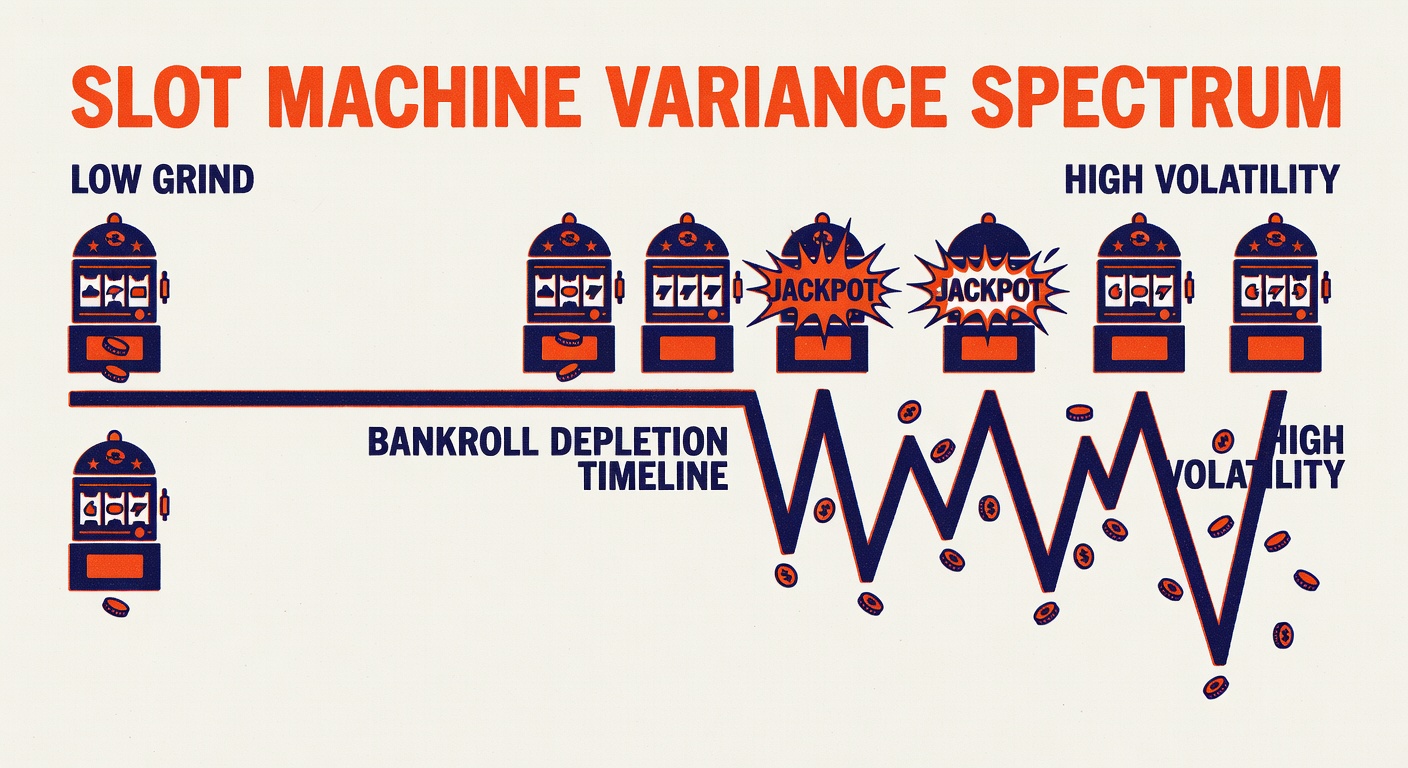
Variance measures how much a game's results bounce around. A high-variance slot pays big hits infrequently. A low-variance slot pays small hits frequently. Both eat your bankroll eventually if you play long enough, but the journey feels different.
Consider two games, both with 96 percent RTP at $1 per spin.
Machine A (low variance): hits small wins every 5-10 spins. Winners land consistently. Your $100 bankroll lasts 2-3 hours. You never feel like you are losing; you are always chasing the next small win.
Machine B (high variance): goes quiet for 50 spins, then lands a $200 win. Quiet for 100 spins, then a $500 win. Your $100 bankroll is gone in 20 spins if you are unlucky. But if you catch a win, you are up $300 in one hand.
Both machines will, over infinite play, return 96 percent of your money. But they feel entirely different.
How Variance Is Measured
Variance is the average squared deviation from the mean. For a slot, it is usually described as a number or a category (low, medium, high).
NetEnt and Pragmatic Play publish variance for most games. It is a number, usually 0.5 to 2.5. Higher numbers mean higher variance.
You will not always see this number published, but you can estimate it from the paytable. Look at the top award versus the RTP. If the top award is 5,000x your bet and the RTP is 96 percent, that is high variance (massive possible win, moderate expected return).
If the top award is 50x your bet and the RTP is 96 percent, that is low variance (modest possible win, steady expected return).
The Psychological Impact
Low-variance games trigger a constant reward loop. You spin, you win small, you spin again. The near-constant feedback keeps you engaged. You feel like you are always winning.
High-variance games create tension and release. Long dry spells (depressing) followed by big hits (euphoric). The emotional arc is more dramatic.
Research on behavioral gambling shows that high-variance games are more addictive for some players. The possibility of a large win creates a dopamine spike that small, regular wins cannot match.
Casinos understand this. They place high-variance games in areas where they want to attract new players. The big wins visible on the payout board (showing recent jackpots) draw attention. Low-variance machines are placed in the back, where steady grinders play.
Practical Application
If you have $100 to play and want it to last as long as possible, play low-variance slots. Expect to spend 2-4 hours at the casino. You will lose the $100 slowly, but the time value is higher.
If you have $100 and you want a shot at a big score (or a quick exit), play high-variance slots. Expect 30 minutes of play, either up or down significantly.
If you are a regular (playing multiple times per week), variance becomes important. A low-variance grind is sustainable. You lose small amounts regularly but never face a catastrophic session. A high-variance pattern means some sessions are brutal losses and some are big wins.
Over a year, the math is the same (96 percent RTP means you lose 4 percent of handle). But the variance determines the emotional and financial journey.
The Closing Truth
I have seen people win big on high-variance machines, take their winnings, and never gamble again. They got lucky and quit. I have seen people lose their rent on high-variance machines, chasing the memory of a big hit. Variance can make you or break you depending on luck.
Low-variance machines are more honest in that sense. You know you are going to lose. You just play for the time and hope for small wins. There is less illusion.
Neither is better. Low variance is better if you want time at the casino. High variance is better if you want a chance at a big win. Know what you want, know the variance of what you are playing, and you make an informed choice.
That is the floor game in a nutshell.