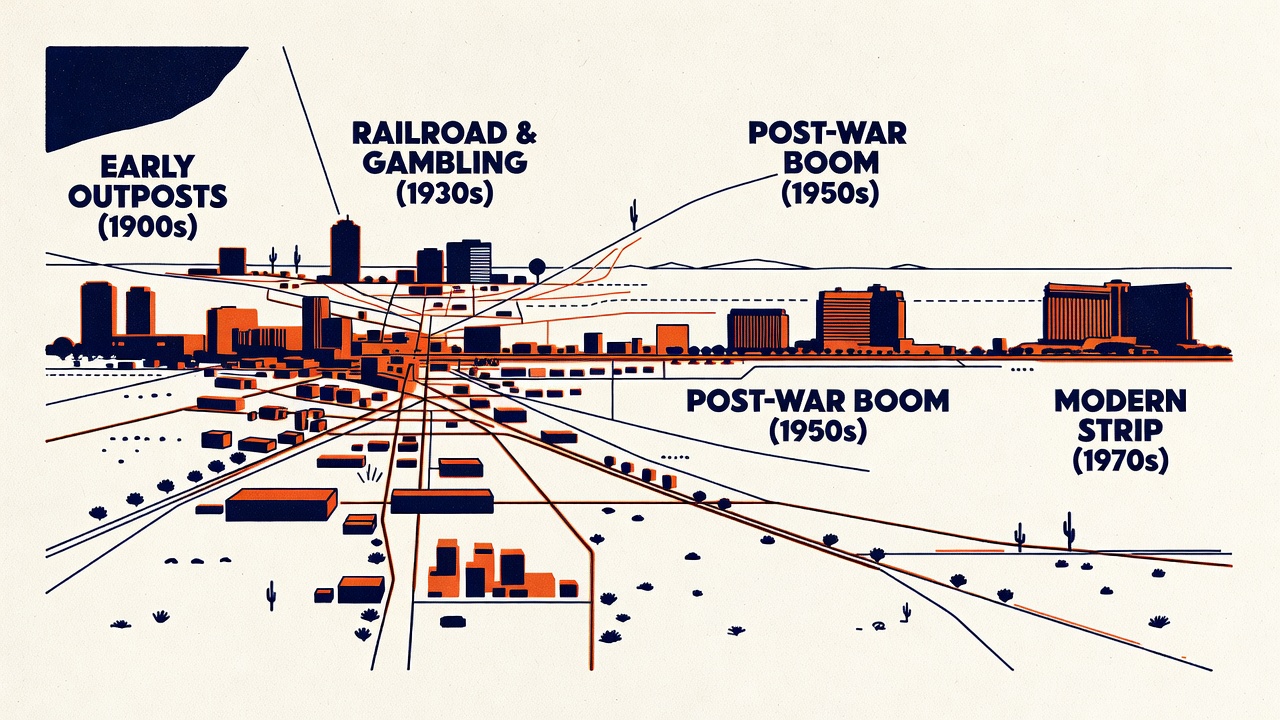
The SD Commission on Gaming is the five-member state body that licenses and polices commercial casino gaming in Deadwood, South Dakota. It works inside limits written directly into state statute: a 1,000 dollar ceiling on any single bet, no more than thirty gaming devices per retail license, and an eight percent tax on adjusted gross proceeds that is routed back to tourism, Lawrence County and Deadwood's historic preservation. The commission administers those rules; it does not set them.
What the commission is and who serves on it
The commission is a citizen board created by statute, with members chosen to stand apart from the industry and the town it regulates. Under the statute that creates the commission, its five members are appointed by the governor, and none may be a license holder under the gaming chapter or a resident of Lawrence County, where Deadwood sits. The commission is attached to the Department of Revenue for reporting purposes only, and no member may serve more than two consecutive full terms.
The residency bar is the notable part. Beyond excluding licensees, the law excludes everyone living in the county that hosts the casinos, so the people deciding license questions do not live where the gaming happens.
Tribal casinos elsewhere in the state answer to a different framework under federal law, covered in the Journal's explainer on the tribal gaming commission and IGRA. This article concerns the state commission and Deadwood alone.
How the commission licenses Deadwood gaming
Every person and business in Deadwood gaming needs a license from the commission, and operating without the right one is a crime. The statute on licenses, fees and renewal sets the classes and their costs, as of October 2026:
| License | Who needs it | Initial fee | Annual renewal |
|---|---|---|---|
| Retail | The business where gaming is offered | 250 dollars | 100 dollars, renewable July 1 |
| Sports wagering services provider | Firms supplying sports betting services | 2,000 dollars | 2,000 dollars, renewable July 1 |
Alongside these sits the support license, the one most players never see: it is required of all persons seeking employment in the field of gaming, so each employee is licensed individually. The same statute makes conducting gaming without the appropriate license a Class 6 felony.
The bet limit and device cap the commission enforces
Deadwood's two defining limits come from the legislature, not the commission. The maximum bet statute fixes the most a player may stake on any initial or subsequent bet, on all games covered by the chapter, at 1,000 dollars. A separate section, the per-license device cap, holds a full complement of gaming devices to thirty per retail license.
For the player, the bet ceiling means no high-limit room in Deadwood can exceed that figure on a single wager. The device cap works per license rather than per building, so the thirty-device count attaches to each retail license the commission issues.
Machines also carry a floor on what they return. Under the rule on minimum slot payback, each credit played on a slot machine must pay back at least 80 percent of its value. That is a statutory minimum across play, not a promise about any session.
Where the Deadwood gaming tax goes
South Dakota levies an eight percent gaming tax on adjusted gross proceeds, and statute decides where every dollar of it lands. The Deadwood gaming tax section imposes the eight percent rate; the gaming commission fund statute then divides it.
Forty percent of the tax collected goes to the state tourism promotion fund and 10 percent to Lawrence County. After the commission's own expenses are met, the remainder, less 100,000 dollars sent to the historical preservation loan and grant fund, becomes net municipal proceeds for Deadwood. The tax is therefore the mechanism that ties the casinos to the town's historic preservation.
The commission and online gambling
The commission's authority covers licensed land-based gaming; it does not license any online casino. SDPB reported in August 2025 that the state warned of fake sites imitating Deadwood and tribal casinos, noting that any online casino gaming is not allowed under South Dakota law and that such sites should be reported to the gaming commission.
Questions and answers
Who sits on the South Dakota Commission on Gaming?
Five citizens appointed by the governor. No commissioner may hold a gaming license under the chapter or live in Lawrence County, and no one may serve more than two consecutive full terms.
What is the maximum bet in Deadwood?
State law caps every initial or subsequent bet on games under the Deadwood chapter at 1,000 dollars, as of October 2026.
How many slot machines can a Deadwood licensee run?
A full complement of gaming devices may not exceed thirty per retail license under state statute.
Is online casino gaming legal in South Dakota?
No. State officials said in August 2025 that any online casino gaming is not allowed under South Dakota law, and sites claiming ties to Deadwood or tribal casinos should be reported to the commission.
References
- South Dakota Legislature, SDCL 42-7B-6 South Dakota Commission on Gaming created, accessed October 2026
- South Dakota Legislature, SDCL 42-7B-22 Licenses, fees, renewal, accessed October 2026
- South Dakota Legislature, SDCL 42-7B-14 Maximum amount of bets, accessed October 2026
- South Dakota Legislature, SDCL 42-7B-16 Maximum number of gaming devices per license, accessed October 2026
- South Dakota Legislature, SDCL 42-7B-36 Minimum payback value of credit, accessed October 2026
- South Dakota Legislature, SDCL 42-7B-28 Gaming tax, accessed October 2026
- South Dakota Legislature, SDCL 42-7B-48 Gaming commission fund, accessed October 2026
- SDPB, State warns of gambling sites falsely claiming ties to South Dakota casinos, August 4, 2025
Wings for this entry