In this entry2 parts
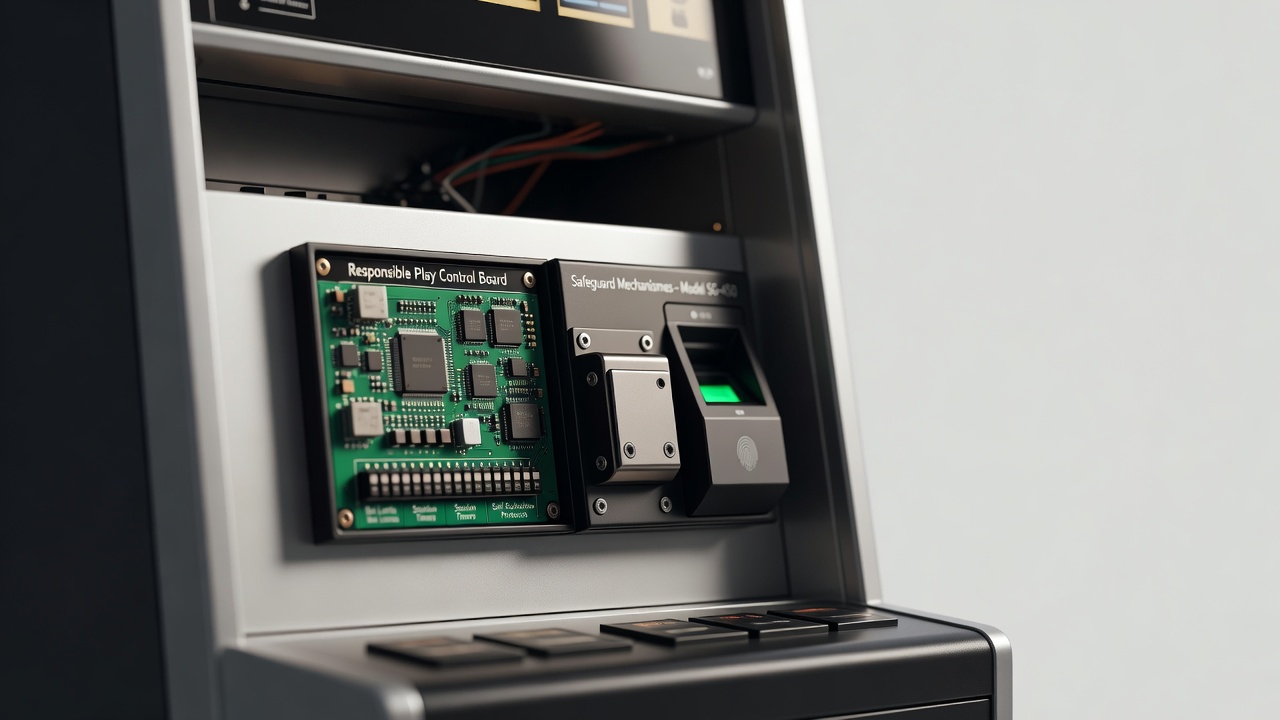
In the back room of a technical testing lab in Malta, a man named Viktor Korsunov presses a button. A machine spins one million times. Three days pass. The results are printed out in forty pages of probability tables. Viktor checks them against a standard known as "random number generator performance under conditions of sustained play." If they fall within tolerance, a light goes green. If they don't, that slot game does not ship.
This is the story underneath the slot games, and it is entirely invisible to the player who drops a coin and pulls the handle.
Everyone knows that casinos have an edge. That edge is not magic. It is mathematical. It is also, in every legitimate jurisdiction, certified by third-party labs. These labs are to gaming what Underwriters Laboratories is to electronics. The difference is that when a piece of equipment fails a UL test, the worst that happens is someone buys a different lamp. When a slot game fails a certification test, fortunes vanish.
The Three Stages of Certification
The process begins with the game designer. A company like Pragmatic Play or Aristocrat Leisure writes code for a slot game. The code includes a random number generator, which is software that produces unpredictable sequences of numbers. But here's the thing that separates serious operators from the grifters: the random number generator must be tested not just theoretically but actually, in live conditions, over a statistically meaningful sample.
The manufacturer submits the game to a licensed testing facility. In jurisdictions regulated by the Malta Gaming Authority, this might be GLI (Gaming Laboratories International) or Quinel. In Nevada, it is a different set of labs operating under Nevada Gaming Commission oversight. For UK-regulated games, the Gambling Commission maintains its own list of approved test houses.
The testers do not trust the manufacturer's math. They write their own test scripts. They run the game in isolation. They run it under load. They run it in sequence. They look for patterns. A pattern that emerges once in a million spins might not be significant. But a pattern that emerges once in every 100,000 spins? That suggests the random number generator is not actually random. Those games get rejected.
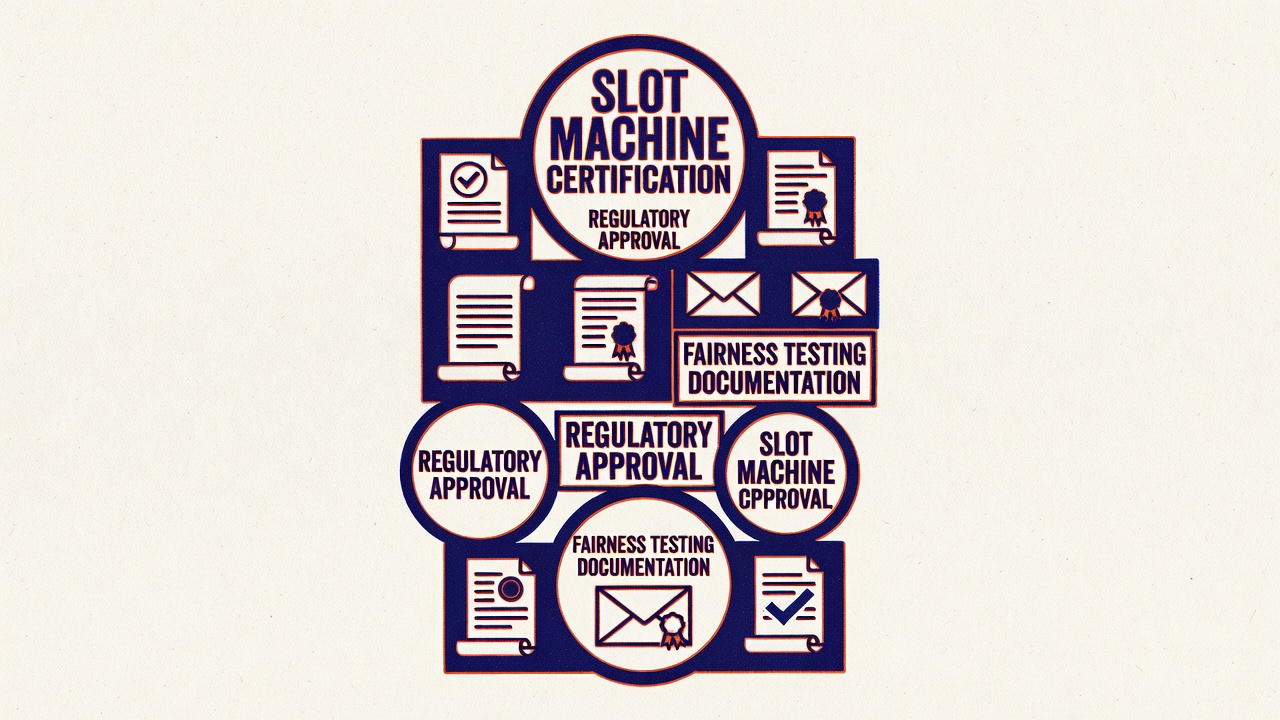
If the game passes these tests, it receives a certification certificate. This certificate is not a guarantee of fairness in the philosophical sense. It is a guarantee that the game's mathematical properties align with what the manufacturer claims. It means the return-to-player percentage (RTP) that is posted is accurate. It means the random number generator produces outputs that pass statistical tests for randomness. It does not mean the game will make you rich. It means the game is honest.
The Human Element
The testing itself is governed by strict protocols. Regulators know that labs can be bribed or pressured. Therefore, auditors visit the labs themselves. They watch the tests. They spot-check the code. In the best-run jurisdictions, like Malta and the UK, unannounced audits are common.
A tester at GLI, a woman named Sarah Chen, once told a journalist that the job required the same rigor as pharmaceutical testing. You cannot cut corners. The stakes are too large. If a lab certifies a crooked game, that lab loses its license. That person loses her career. The incentive structure is real.
The providers themselves face equally strong incentives. A company that releases a crooked game will be excluded from every licensed jurisdiction. That is financial suicide. Aristocrat operates in 140 jurisdictions. A single tainted game would cost them access to millions of players. The mathematics of scale makes cheating irrational.
This is how legitimate gaming works. It works because testing is independent, random audits are constant, and the penalties for failure are absolute. A provider that cuts corners does not stay in business. That is not the only reason to trust the games, but it is the reason that matters most.
Wings for this entry