Three in the morning at ICE London, the ExCeL carpet smelling of static electricity and stale espresso, the booth lights on a dimmer somebody forgot, and a man named Piotr (or so his lanyard insists) is leaning into the third vodka soda of his long evening, explaining to me why the word "licence" in this industry is not one word but eleven, and each one weighs about four kilograms in binder form, and why his company employs a full-time compliance team of nineteen people in Sofia whose entire professional existence is to feed those binders the quarterly filings they require, and I am thinking, as he speaks, about the physical reality of those binders, the shelves, the offsite storage, the smell of them, because the smell of compliance is something I have learned to recognise, it is bonded paper and HP LaserJet toner, and now here we are.
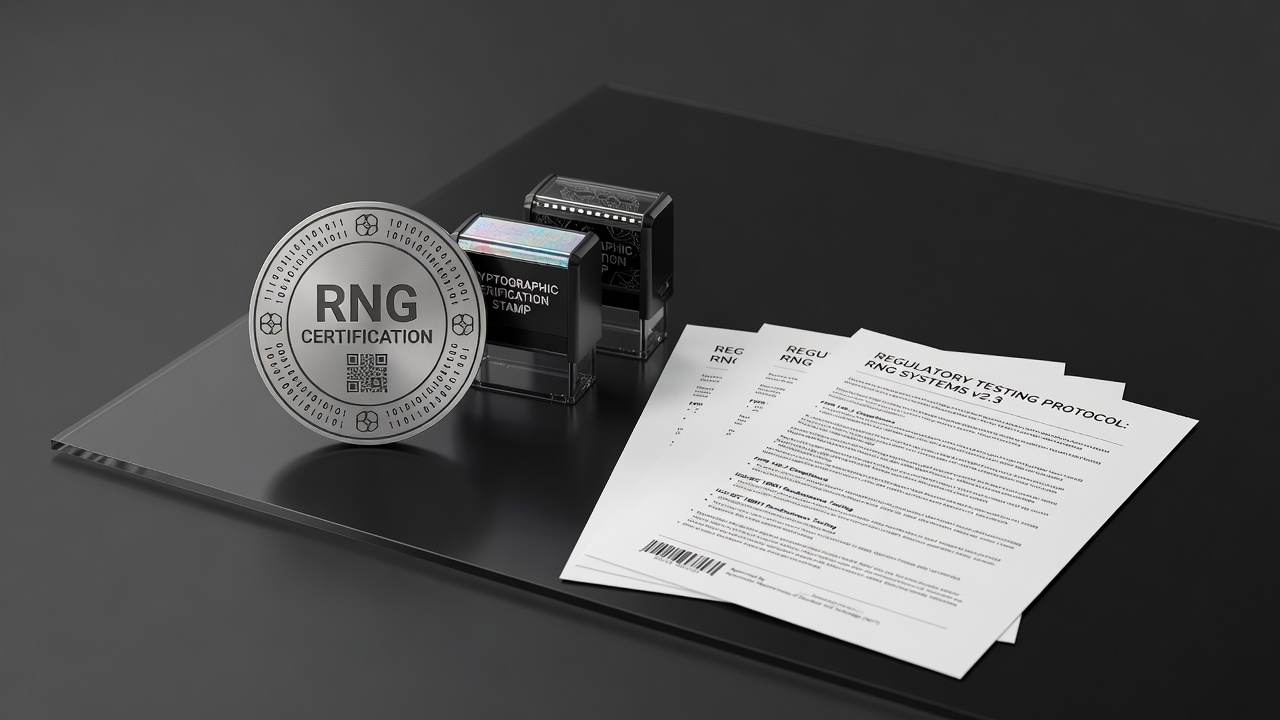
Piotr is not a casino operator. Piotr's company makes slot games. Fifty-two of them, he says, on a cadence of roughly one release per week, and for every new release his team must file a Return To Player certification with Gaming Laboratories International or BMM Testlabs or iTech Labs (three accredited bodies, pick one, pick all, the auditors take lunches together in Valletta anyway), and for every certified release his team must then separately file a supplier licence addendum with the Malta Gaming Authority, the UK Gambling Commission, the Romanian ONJN, the Swedish Spelinspektionen, and so on down a list he begins to recite to me with the practised cadence of a man who has recited it to too many investors on too many pitch decks.
The Binder, the Ticket, the Slow Accumulation of Paper
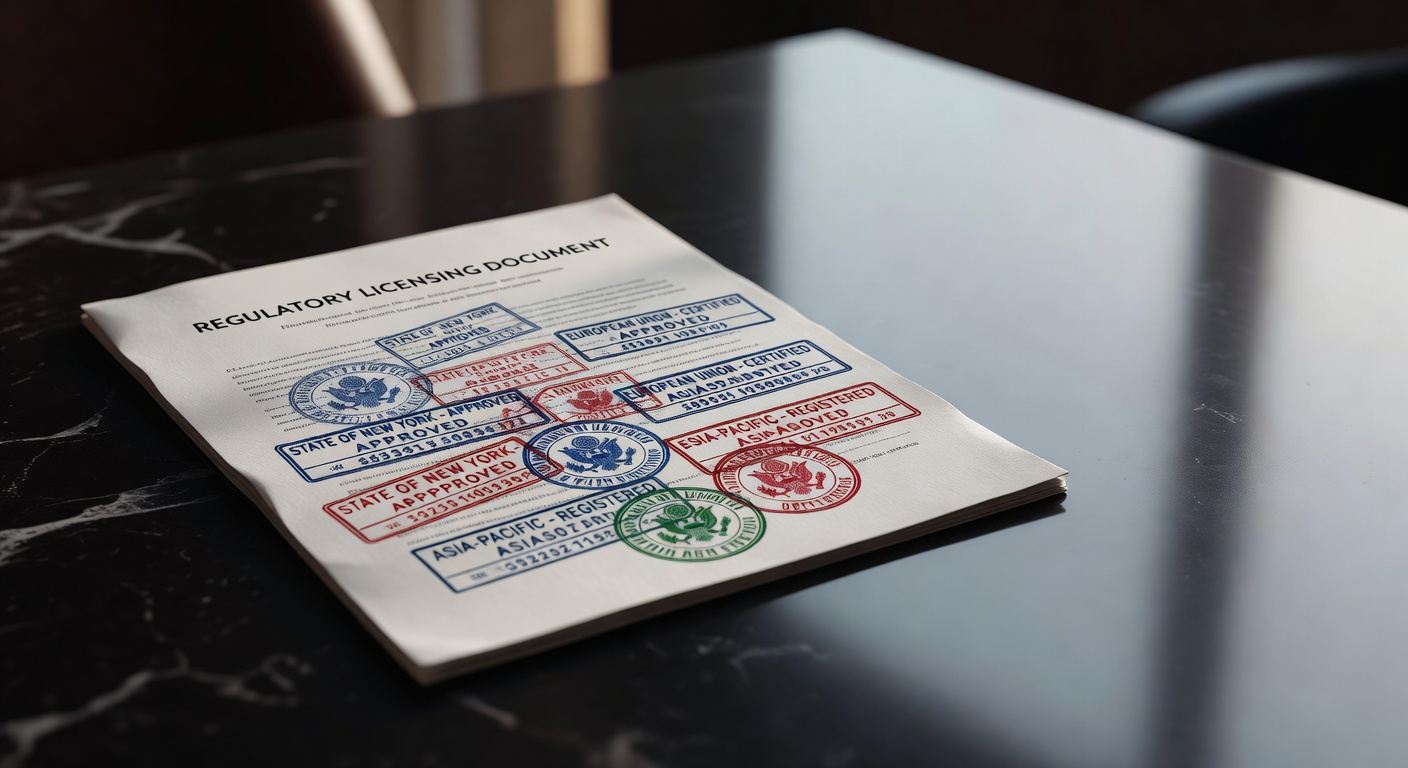
The revelation, if there is one, arrives between the vodka and the plastic tray of leftover canapes. A casino operator, Piotr says, holds an operator licence. An operator licence entitles the casino to accept customer money. Fine. Transparent. You know what you are buying. A game provider holds, instead, a supplier licence, which is a permission slip to allow other licensed operators to install your game on their platform, and the supplier licence has teeth, because if the game itself is non-compliant in a jurisdiction (RTP label missing, volatility label missing, session-reality check not implemented, mandatory self-exclusion hook not wired into the API) then the supplier loses its right to distribute, and every casino that has already installed the game must take it down within a compliance window that varies (UK: 14 days, Malta: 30, Ontario: immediate upon notice), and now imagine being the product manager at the operator learning, on a Tuesday, that thirty-one of your top-grossing titles have become contraband by Friday.
This has happened. I have watched it happen. A Curacao-only provider (names withheld, because Piotr is, in his way, still a gentleman) attempted to expand into Sweden in 2021 without pulling its Gamban blacklist integration through the Swedish API gateway, and Spelinspektionen sent one of its politely catastrophic letters, and inside of a quarter the provider had pulled out of Sweden entirely.
"You build a slot for six months. You certify it for three. You license it in thirteen places. You earn money on it for two years. You spend another six months retiring it. This is the business."
That was not Piotr. That was an anonymous second voice, female, passing behind us at precisely the moment the second voice was most needed, and she did not stop, and I did not see her face.
Why the Name on the Paperwork Matters
The detail that sticks with me, the detail I write in my notebook at 3:14am while Piotr fumbles for his key card, is this. In every jurisdiction that has a proper supplier licensing regime, the licensing lists the provider by name, by registered company, by directors. Not just the platform. Not just the casino. Evolution Gaming is named. Pragmatic Play is named. Playtech, Yggdrasil, NetEnt, all named, all directly inspected, all directly liable.
When a player loses their deposit to a game with a verifiably rigged RNG (this is rare, but it happens, and when it happens it is a provider-side failure, not an operator failure), the regulator's action lands on the provider. The operator is a conduit. The provider is the builder.
The interesting consequence, one I had not seen before and would not have seen without the binder, the vodka, the stale coffee, the static carpet, is that the regulated provider, the one who has submitted to nineteen jurisdictions and keeps its Sofia compliance team on salaried retainer, is more trustworthy than the casino it runs inside. The casino is a brand, a marketing front, a domain. The provider is the substance. Follow the supplier licence and you follow the actual game.
Piotr, at this point, is half-asleep against the booth. The dimmer has gone further down. Someone at the far end of the hall is vacuuming. I fold the notebook closed, and I do not know how I will walk back to my hotel, and I do not know if I will find a taxi, and I do not particularly want to. The ICE London carpet smells of static electricity, and the truth of the licensing business, the truth Piotr did not know he was delivering, arrives always at an hour when you cannot use it.
I leave him there. Somewhere, a binder closes.
Wings for this entry