In this entry3 parts
I started pulling apart Bally slots in 1984. The machines were pure analog then, just reels and solenoids and a mechanical bell that rang when you won. You could hear the cheating from across the room if someone tried it. By 1992, we moved to steppers with circuit boards. The PRNG lived on a chip, and the rules started getting codified in silicon instead of springs.
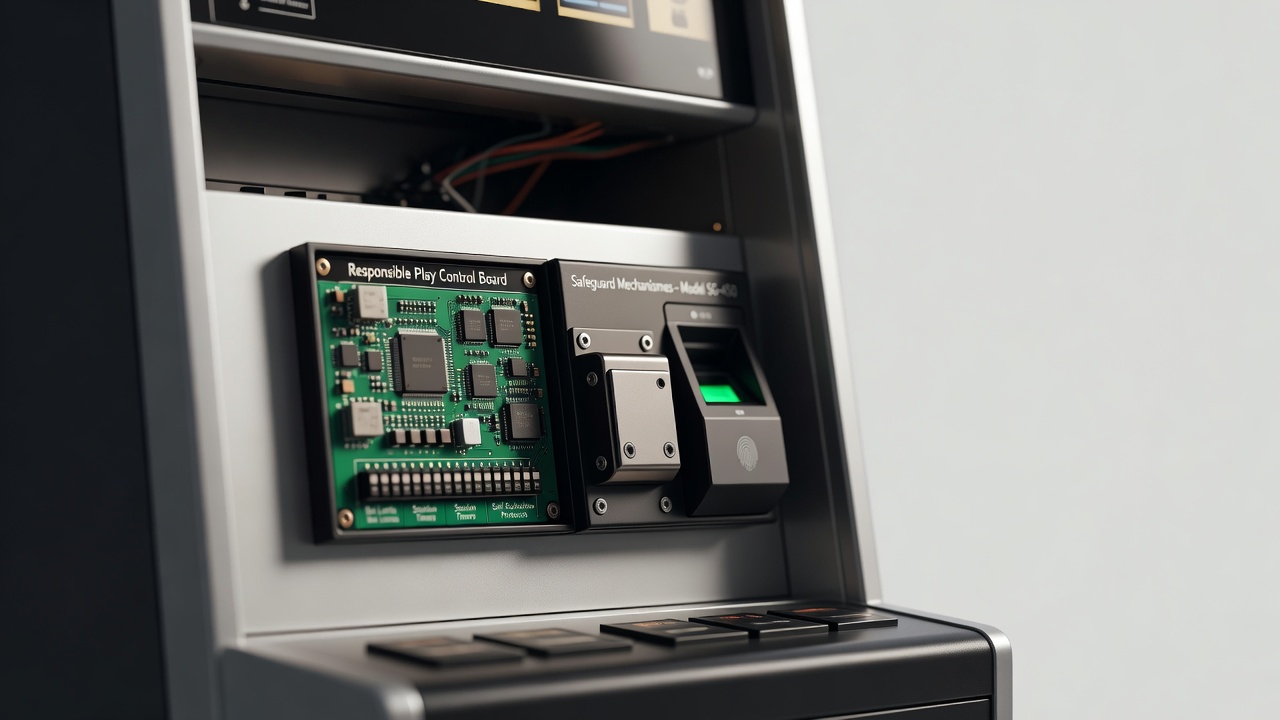
Responsible gambling tools arrived unevenly. The first thing I saw was session timers on the Aristocrat Stealth machines around 2007. You set a time limit when you started playing, the machine would alert you when you were thirty seconds from timeout, and the screen would lock. No argument, no override. The player had to physically walk away from the cabinet. Clean design. I respected it.
What's Actually Built In
Loss limits came next. A player sits at a machine and tells the system: "I will not lose more than $200 today." The machine tracks every credit wagered. When the player is down $200, the game stops accepting input. Some players hate this. Some players set a $50 limit and never hit it. The math doesn't judge. It just counts.
Depositivity tracking is the mechanic's game. The player registers their phone number or email, the casino system logs each session: duration, amount wagered, amount lost, time of day. After ten sessions, a pattern emerges. The player can request a cooldown: five days, fourteen days, maybe thirty. During cooldown, their account locks. No deposits, no play. When the cooldown expires, they get an email asking if they want to resume. Some don't log back in. That's working as designed.
Deposit limits function like a physical speed governor. A player says "$50 per day," and the system enforces it. Period. They can request a change, but most systems require a waiting period of days before the new limit takes effect. It's not perfect, but it beats the old system where the only limit was guilt.
How It Works on Mobile
Mobile lobbies are trickier. The Aristocrat PowerBurst system I worked on in 2019 kept all the same logic, but the authentication happened at the app layer. You log in, geolocation confirms you're in a regulated jurisdiction, and the responsible gambling settings sync from the casino's main database. A player who set a $100 loss limit on a kiosk at Binion's will hit that limit if they play the Cleopatra app from their phone at 2am. The tech doesn't care when or where. It cares about aggregate exposure.
The hardest part was always the display. How do you tell a player they're approaching their loss limit without sounding like their mother? IGT's version uses a simple progress bar in the corner. You're down $60 of $100. The bar fills. No scolding. No sermon. Just information.
Why It Isn't Perfect
The honest truth is that responsible gambling tools work for people who want them to work. A player determined to gamble at any cost will set their limits high, or try to circumvent them, or move to an unlicensed site. The machines can't solve for that kind of wanting. What they do solve for is the casual mistake: the person who meant to play for an hour and three hours passed without noticing. The person who came with $100 and somehow spent $400 without conscious choice.
I've pulled cabinets out of casinos where the responsible gambling chip failed. The machine kept counting wrong. A player hit their limit and the machine didn't stop them. That's a catastrophic error, and casinos take it seriously because regulators take it seriously. The fines are steep. The regulatory attention is permanent.
The PRNG has always been honest. It has no stake in whether you win or lose. Your decision-making is not the machine's problem. But the machine itself, if it's built right, can be a tool that lets you make the decision you already wanted to make before the adrenaline took over. That's not nothing. That's not everything either. But after four decades of watching people play, I know the difference.
Wings for this entry