There are people who shape industries from inside them, and there are people who blow them up.
Daniel Tzvetkoff was the latter. A software engineer. A programmer inside Full Tilt Poker, the second-biggest online poker site in the world. He knew the code, the infrastructure, the servers, the payment channels. He knew everything.
In 2010, he walked into the FBI's field office in Boston and handed them the keys to the kingdom.
The Setup
By 2010, online poker in the United States was in an uncertain zone. The Unlawful Internet Gambling Enforcement Act (UIGEA) of 2006 had banned banks from processing gambling transactions, but the law was silent on whether poker (a skill game) fell under its restrictions.
PokerStars, Full Tilt Poker, and Absolute Poker had grown enormous. They dominated the online poker market. American players represented 40 to 50 percent of their player bases.
Full Tilt was owned by poker legends: Howard Lederer, Chris Ferguson, Andy Beal, and others. They positioned themselves as the poker players' poker site. They sponsored tournaments. They were good citizens of the poker world.
But underneath, Full Tilt had a secret: they were paying out players' withdrawal requests using new deposits from other players, not from the company's own operating funds. They were running a Ponzi scheme.
Most players did not know this. The poker community did not know this. Regulators were still figuring out whether they even had jurisdiction.
Daniel Tzvetkoff knew.
The Inside Perspective
Tzvetkoff worked as a software engineer at Full Tilt. He had access to the code that powered the site. He could see the financial flows. He could see that withdrawals were being funded by new deposits.
He raised concerns internally. The response was muted. The company was focused on growth, not financial transparency.
Tzvetkoff did what insiders do when the institution does not listen: he went external.
The Delivery
On April 15, 2011 (known as Black Friday in the poker world), federal agents seized the assets of PokerStars, Full Tilt Poker, and Absolute Poker. The reasons cited: violating UIGEA and running unlicensed money transmission operations.
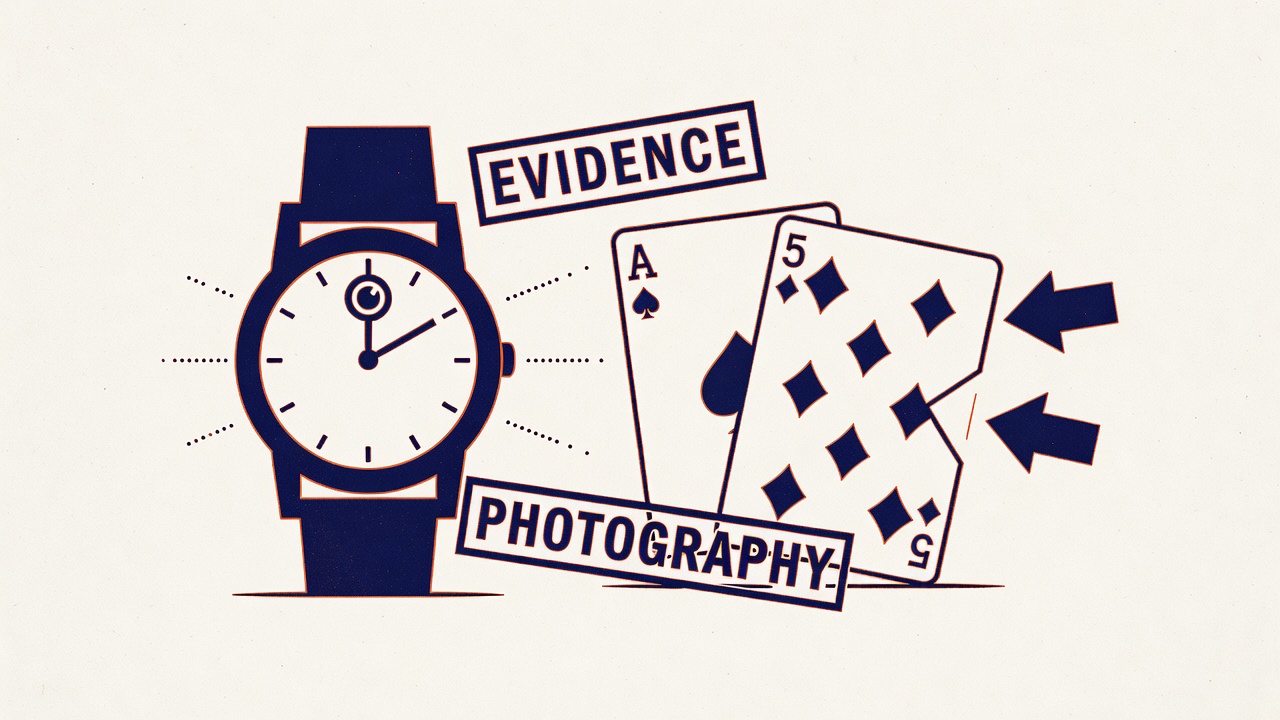
The backbone of that case was evidence that Tzvetkoff had provided: Full Tilt's source code, financial records, and documentation of the Ponzi scheme.
For the poker community, it felt like the ground had collapsed. Overnight, American players lost access to the biggest poker sites. Millions of dollars were locked in accounts. Some players faced total loss; others eventually recovered their funds (Full Tilt was later sold to PokerStars, which honored the frozen accounts).
The Fallout
Full Tilt's owners faced federal charges. Chris Ferguson and Howard Lederer, legendary poker players, were indicted. The case took years to resolve.
Ferguson eventually reached a settlement with the Department of Justice, forfeiting 12.3 million dollars. Lederer settled for 1.2 million. The poker community's heroes became villains overnight.
For American online poker, the industry was effectively destroyed. European players migrated to licensed sites in the UK, Malta, and elsewhere. American players found underground networks or gave up.
It took nearly a decade for regulated online poker to return to the United States (Nevada launched in 2013; other states followed). The market never recovered to its pre-Black Friday size.
Why Tzvetkoff Came Forward
The FBI offered a bounty: 250,000 dollars for information leading to prosecution. Tzvetkoff took it.
Morally, this reads as a whistleblower story. Ethically, it's more complicated. Tzvetkoff was a junior engineer with a financial incentive to expose his employer. The motivations matter less than the facts he provided.
The facts were damning. Full Tilt was insolvent. The company was running a Ponzi scheme. Federal charges were justified.
The Human Dimension
Where Tzvetkoff's story becomes fully realized is not in the code or the charges, but in the people affected.
A poker grinder in Milwaukee had 50,000 dollars in a Full Tilt account. He was grinding cash games for a living. The Black Friday seizure meant losing half a year's income.
A semi-professional player in Las Vegas had qualified for the Full Tilt Poker World Series tournament. The tournament was cancelled. The trip never happened.
An amateur in New Jersey had won 10,000 dollars and was excited to withdraw and buy his kids new school supplies. The withdrawal request never went through.
Tzvetkoff did not cause these stories. Full Tilt's management did. But Tzvetkoff's decision to cooperate with the FBI determined when and how catastrophically they unraveled.
The Silence
Tzvetkoff has been mostly quiet since. He received his reward. The poker world has recovered somewhat, but it recovered smaller. Regulated poker in Nevada and New Jersey never reached the volume that online poker had achieved pre-Black Friday.
PokerStars now dominates the market. It is licensed in multiple jurisdictions. It operates legitimately. But the American market for online poker is a fraction of what it could have been had Full Tilt been regulated instead of seized.
What It Means
Tzvetkoff's story is about the collision between an industry (online poker) that operated in legal gray zones and a government (the US) that eventually decided to regulate or eliminate it.
Tzvetkoff was the pivot point. Not a villain. Not a hero. A software engineer who saw a problem and reported it.
The consequences for poker were severe. For the poker community, Black Friday was the day the house of cards came down. It was also, eventually, the day legitimate poker emerged from the shadows.
Tzvetkoff made that transition inevitable.
Wings for this entry