In this entry2 parts
The casino has always been a system. You enter, you see lights, you hear sounds, you experience the payout schedule. Each lever pull or card flip is a feedback loop designed to keep you playing.
Web3 casinos layer blockchain verification on top of that same system. The key difference: instead of trusting a licensed operator to shuffle fairly, you can verify the shuffle yourself. The game state sits on chain. The random number generator's seed is visible.
How Traditional Casinos Design for Retention
Traditional casino software is a black box. Providers like Pragmatic Play or Microgaming define the math model, but you only see the result. A slot machine spins, pays or doesn't, and you decide whether to spin again. The retention comes from feedback loops: near-misses, the bead-plate at baccarat, the ritual of card-squeezing. These are intentional. They're designed to keep you in the system.
The house edge is built into the math. On a slot, that might be 3-8 percent. On craps, 1.4 percent on a pass-line bet. The player has zero way to verify this. You trust the regulator (MGA in Malta, UKGC in Britain, Curaçao for offshore) to audit the game. The audit says the game is fair, but you cannot see the proof yourself.
Web3 casinos promise to change this equation. Instead of a black box, everything is provably fair. The server picks a seed and commits to it before you play. After you spin, you can hash the seed yourself and verify you got the right outcome. No trust required.
"Provably fair" sounds revolutionary, but it solves one problem and creates another.
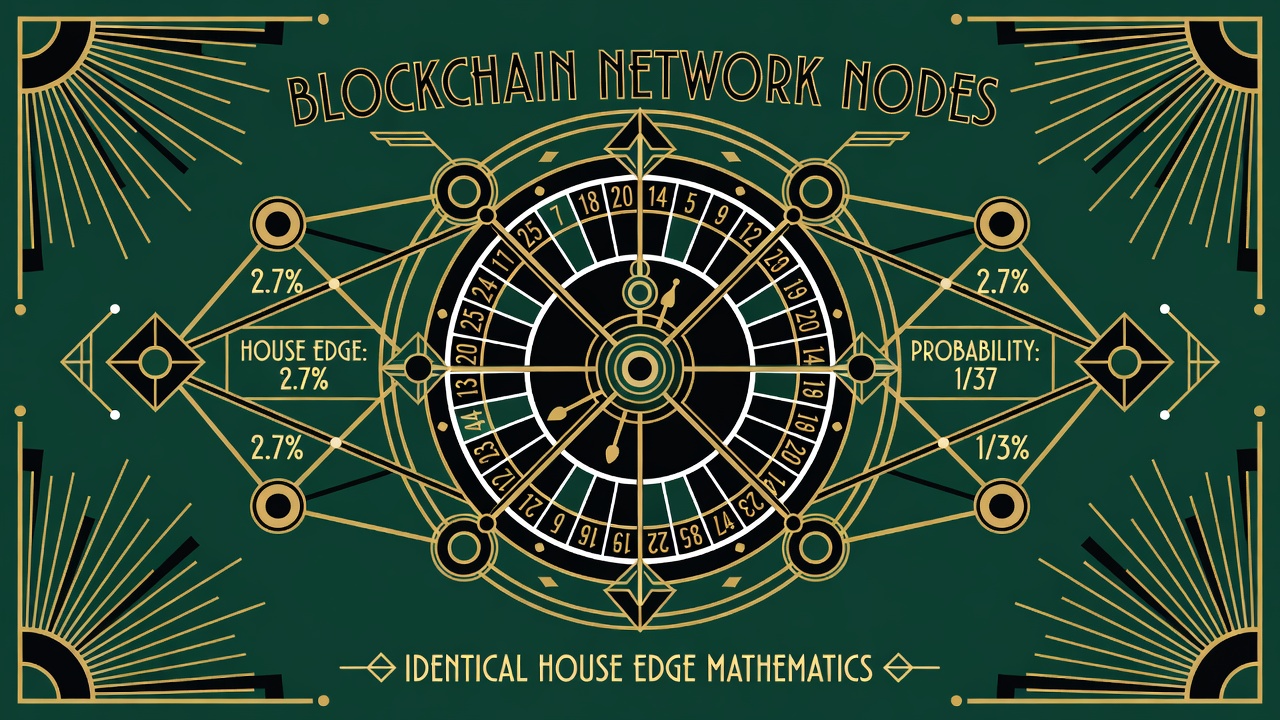
The problem it solves: you no longer trust a single operator. The problem it creates: it doesn't change the math. A Web3 casino can have the exact same house edge as a traditional one. The seed is verifiable, but the seed selection itself can favor the house. The deck is shuffled fair and square; the shuffle is just visible now.
What Players Actually Want
Most players do not care about provability. They care about three things: does the game feel good, can I withdraw my winnings, and is there a bonus that makes the math make sense?
A traditional casino answers all three. A Web3 casino answers all three, with one twist: lower fees. Blockchain casinos do not need a local license in Malta or the UK. They operate on the assumption that players who care about provable fairness are willing to take regulatory risk in exchange for lower vig.
The incentive loop is the same on both. Blinking lights. Sound design. Variable-ratio reinforcement. Web3 casinos copy the entire playbook. They add the blockchain layer, but that layer is decoration. The real game, the one that keeps you playing, is unchanged.
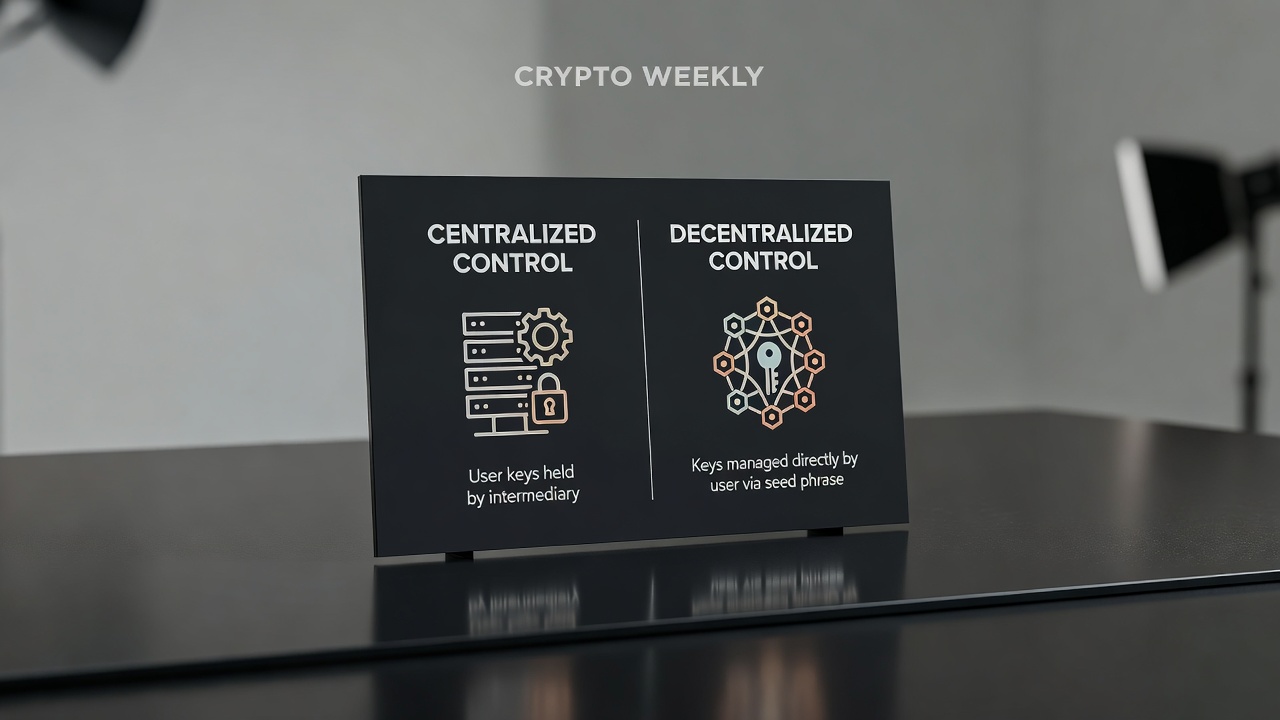
The honest comparison: traditional casinos offer trust in an institution, regulatory oversight, and conventional payment methods. Web3 casinos offer transparency in the algorithm and lower fees. Neither removes the house edge. Neither changes the fundamental feedback loop.
You pick based on what you trust more: the regulator or the code.
Wings for this entry