In this entry3 parts
There is a hand I remember from Macau. Not because it was remarkable, but because of what preceded it.
The gentleman was a regular. Shanghai industrialist, played baccarat every third Thursday when the market closed early. He arrived at six-thirty, always the same hour, and ordered the same tea. The croupier knew to brew it strong. The ritual was the entire point.
This evening, something was different. He studied the table for ten minutes before placing his first bet. Not unusual, except his eyes kept returning to the shoe. He was watching the cards before they appeared. Studying the mechanism, not the probability.
What Seed Hashes Actually Do
In a physical casino, the randomness comes from the shuffle. Cut the deck in half, riffle, cut again, riffle again. The card at position forty-two emerges unpredictable because the shuffle was thorough and human hands are imprecise.
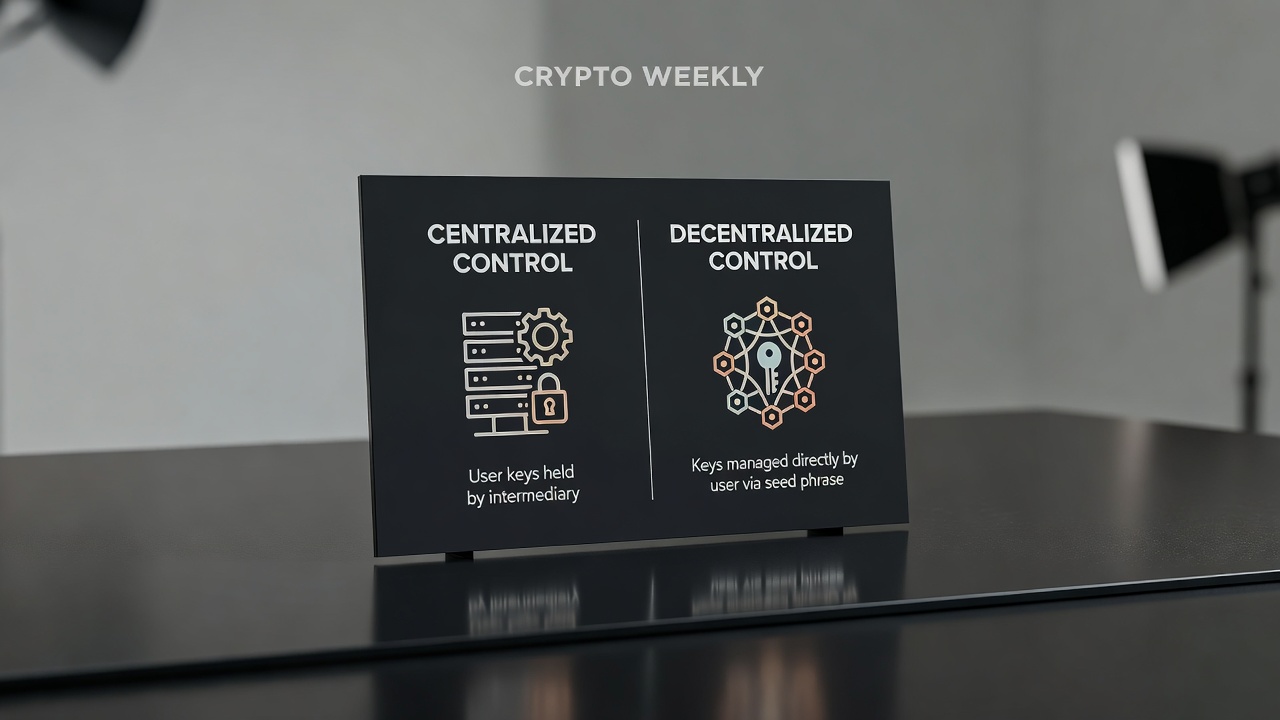
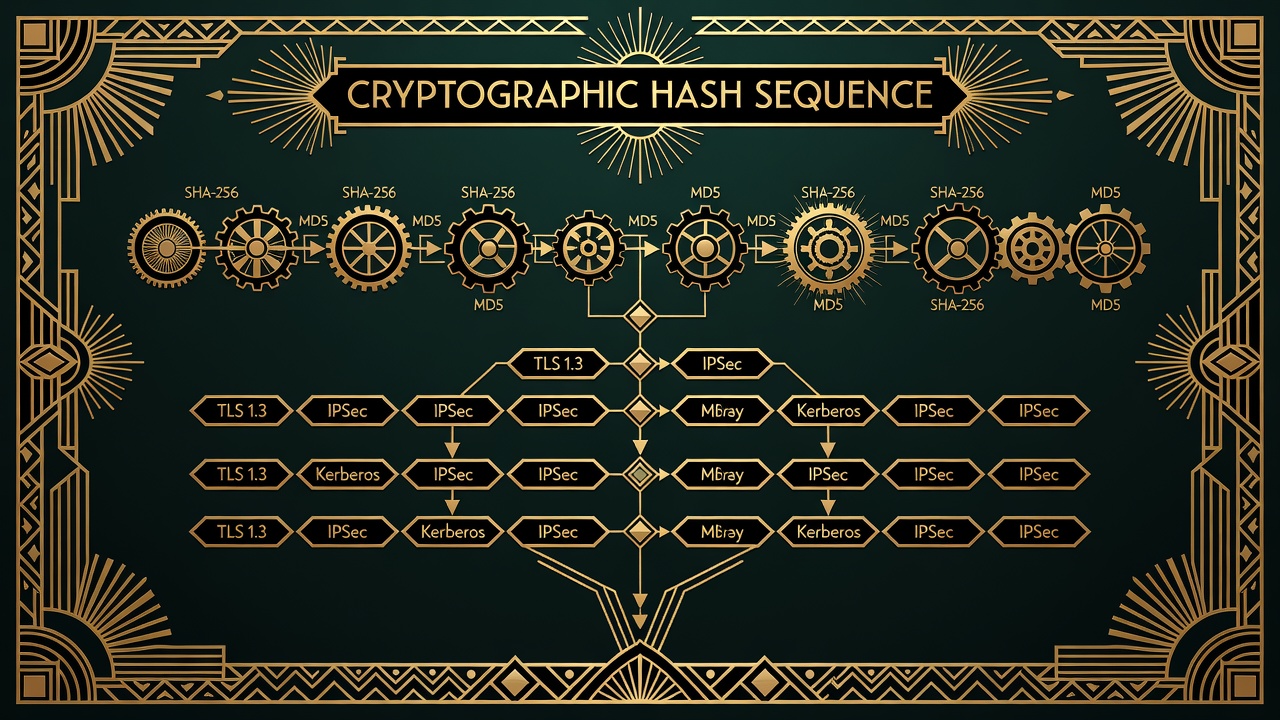
In a crypto casino, the randomness has to be verified. Randomness, verifiable. The contradiction resolves through a seed hash. The operator commits to a seed before you play. The seed is a number. Any number. That number is hashed, published, locked into place. You cannot change it retroactively.
You spin. You ask for the result. The operator applies the seed to your spin. The result emerges. Then you hash the seed yourself and verify you got the correct outcome. The operator cannot have rigged it because the seed was locked before your action.
The protocol is sound. The execution is where the theater happens.
The operator chooses the seed. The operator knows every possible outcome the seed can produce before you ever see it. The seed is not random; it is selected. Selected from an enormous possibility space, yes, but selected. The operator can choose the seed that makes you lose or the seed that makes you win. The seed that helps the player or the seed that hurts them.
This is not fraud. This is not cheating. This is the operator exercising their legitimate right to select which deterministic sequence you receive. Your hash verifies that the sequence came from the seed they committed to. It does not verify that they selected fairly.
The Macau Parallel
The gentleman was testing a hypothesis. He had come to believe the shuffle was not random, that the croupier was executing a particular sequence. Unconscious, perhaps. A habit. Some casinos prefer to deal the strong cards to experienced players, to keep them returning. It is not provable, but it is old wisdom from the tables.
He lost that evening. Then he returned the following week and won. He never came back again. He had gotten what he came for, which was not money but the certainty of a specific type of uncertainty. He trusted the hand-shuffle more than he trusted anything verifiable. The theater was the point.
Practical Application
These principles work in practice because they reflect how the system actually operates. Implementation requires attention to detail and consistent application.
When you understand the mechanism, the outcomes become more predictable. Not guaranteed, but more predictable. This difference matters in the long run.
The evidence accumulates over time. Short-term variance obscures the pattern. But over sufficient samples, the pattern emerges clearly.
Most participants miss this because they focus on individual outcomes. A single session is noise. Ten sessions is still noise. A hundred sessions starts to show signal.
This is why professionals think differently from casuals. They track aggregates, not instances. They measure edge, not luck.
Wings for this entry