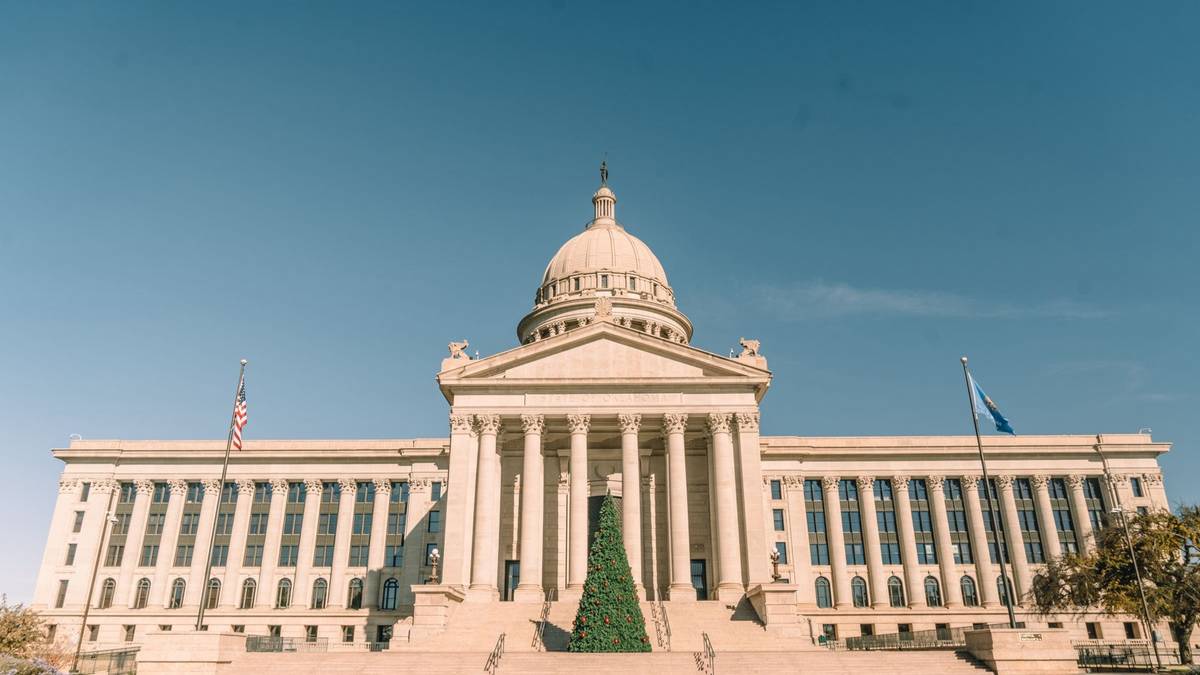
A gaming commission is the public body that regulates gambling in a jurisdiction. It licenses operators and suppliers, writes and enforces the rules on how games are run, oversees the collection of gaming taxes, and disciplines licence holders who break the rules. In the United States most of this happens at state level, with a separate framework for tribal gaming.
What does a gaming commission actually do?
Its core powers usually include granting, conditioning, suspending and revoking licences; approving games and equipment; setting rules on internal controls, cash handling and surveillance; auditing operators; hearing disciplinary cases and imposing fines; and running or overseeing programmes such as self-exclusion. Its powers come from a statute, so the statute is the place to look when you want to know what a commission can and cannot do.
How is gaming regulation structured in a state?
Many states have one body that does everything. Others split it. A common split separates an investigative and enforcement agency from a commission that decides licences and hears appeals. The names differ (Control Board, Commission, Division of Gaming Enforcement, Lottery Commission), so the useful question is always which body holds which power.
Who regulates tribal casinos?
Tribal gaming in the US sits under the Indian Gaming Regulatory Act of 1988. It divides gaming into three classes. Class I, traditional and social games, is regulated by the tribe alone. Class II, which includes bingo and similar games, is regulated by the tribe with oversight from the National Indian Gaming Commission. Class III, which covers casino table games and slot machines, also requires a compact between the tribe and the state. A tribal gaming commission is the tribe's own regulator within that structure.
Why does it matter to a player which regulator is in charge?
The regulator decides the rules you can rely on: limits, game approvals, self-exclusion, and where a complaint goes when an operator will not resolve it. Knowing which body has jurisdiction is the first step in using any of them.
How does the Journal cover regulators?
Each entry defines one regulator, sets out the statute that created it, what it licenses and enforces, and how its decisions reach the player, citing the statute and the regulator's rules by name.
Where should I start?
Read Tribal gaming commission: what it regulates under IGRA for the federal framework, then SD Commission on Gaming: how Deadwood licensing works for a compact state regime with hard statutory limits.