I sat down at a poker table online in 2019 where nobody knew my name. That was the whole point. A blockchain poker game where your identity was a wallet address, not your name.
The game ran on the Ethereum network. Every hand was recorded on chain. You could verify the shuffling yourself. The dealer could not cheat. Neither could the other players. The system was transparent.
It seemed revolutionary.
What actually happened: nobody came. The game ran with the same six regulars for months. They all knew each other by their wallet addresses. The supposed anonymity was not actually anonymous. You could track every hand on the blockchain and learn their ranges, their tendencies, their leaks.
One regular had a 40% steal rate on the button. Another folded too much to aggression. A third played speculatively early. Nobody was anonymous. They were just known by a different name.
The Overhead Problem
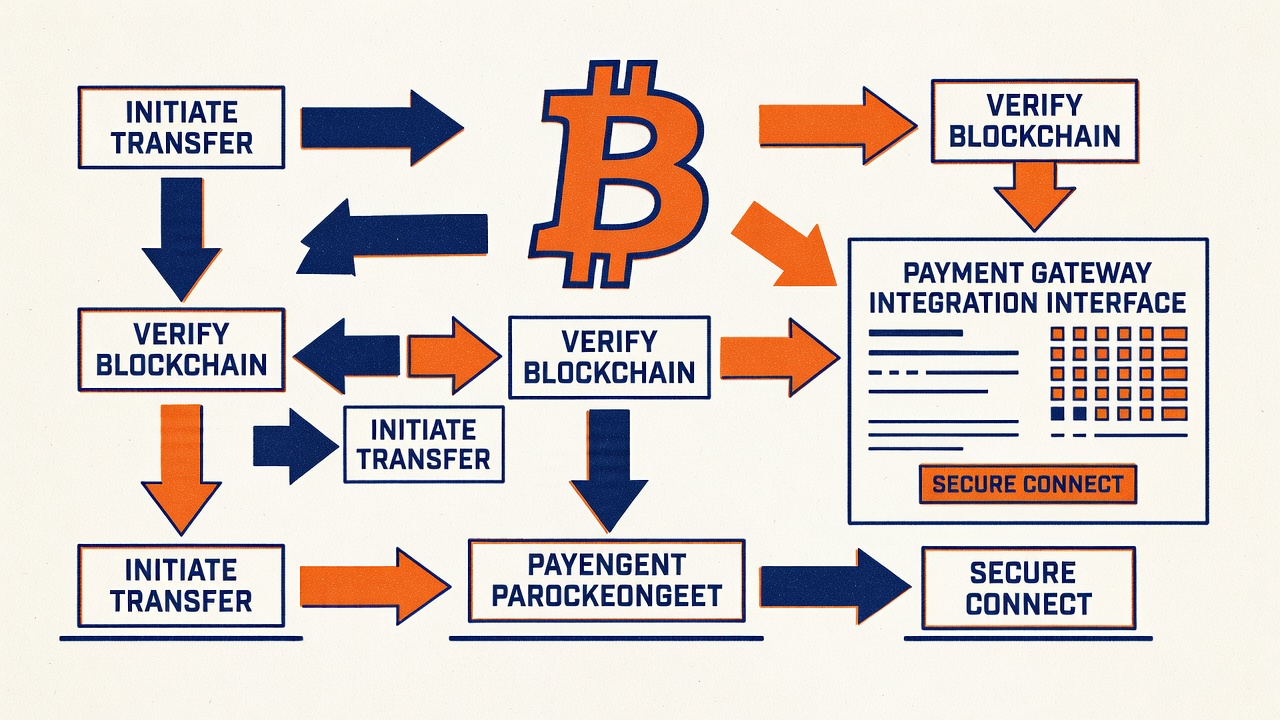
Blockchain poker added transaction costs. Every hand required a settlement on chain. That settlement cost money. Not much per hand, but across eight hours of play, the rake was higher than a traditional poker site. The opacity was gone. The rake was just more transparent and more expensive.
A traditional poker site hides rake in the hand. You do not think about it. Blockchain poker made you pay the rake explicitly, watching your stack diminish with each transaction.
The psychological effect was devastating. Players felt they were paying double. They were not. They were just seeing the cost clearly.
Why It Did Not Work
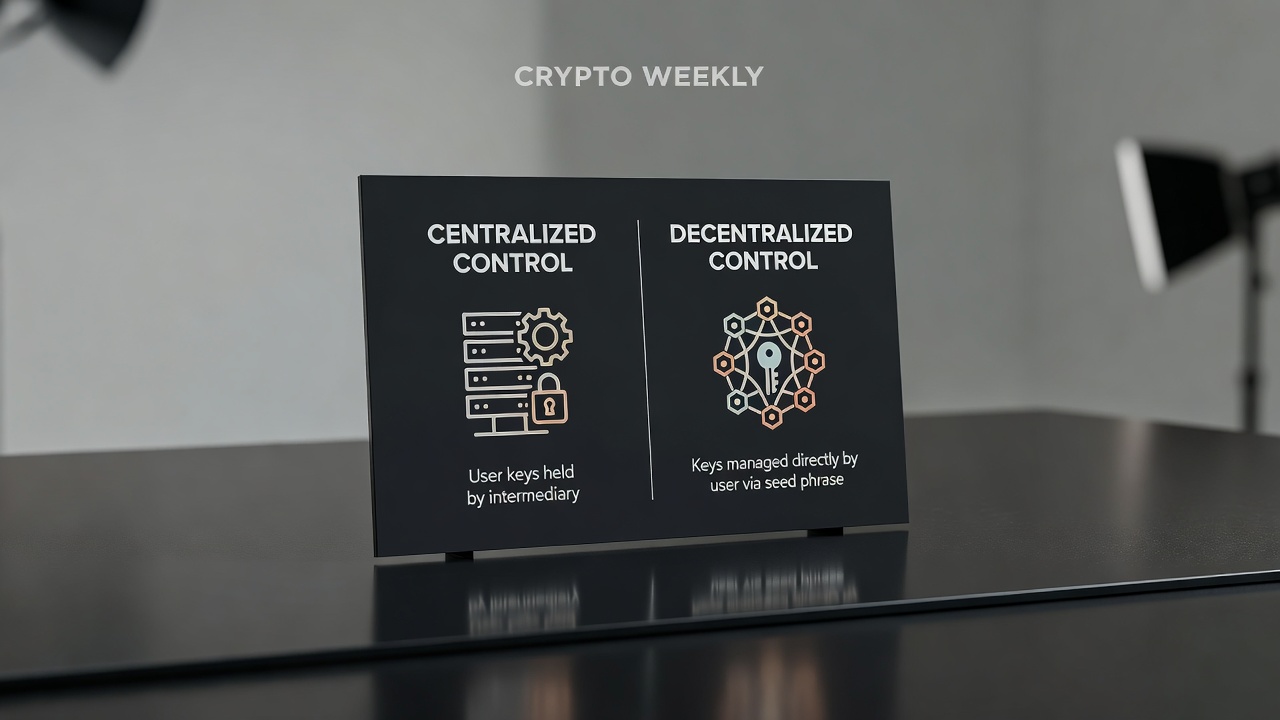
Decentralization was the feature that was supposed to change everything. No central authority. No risk of a liquidity crisis like PokerStars or Full Tilt. The game could not go away because it existed nowhere and everywhere simultaneously.
This was also the feature that killed it. No liquidity. No system administrator to run promotions. No customer service. No anything. Just code on a blockchain.
The six regulars gave up. The game went dormant. Last I checked, the contract was still on the blockchain but inactive. The money was still there, but nobody logged in.
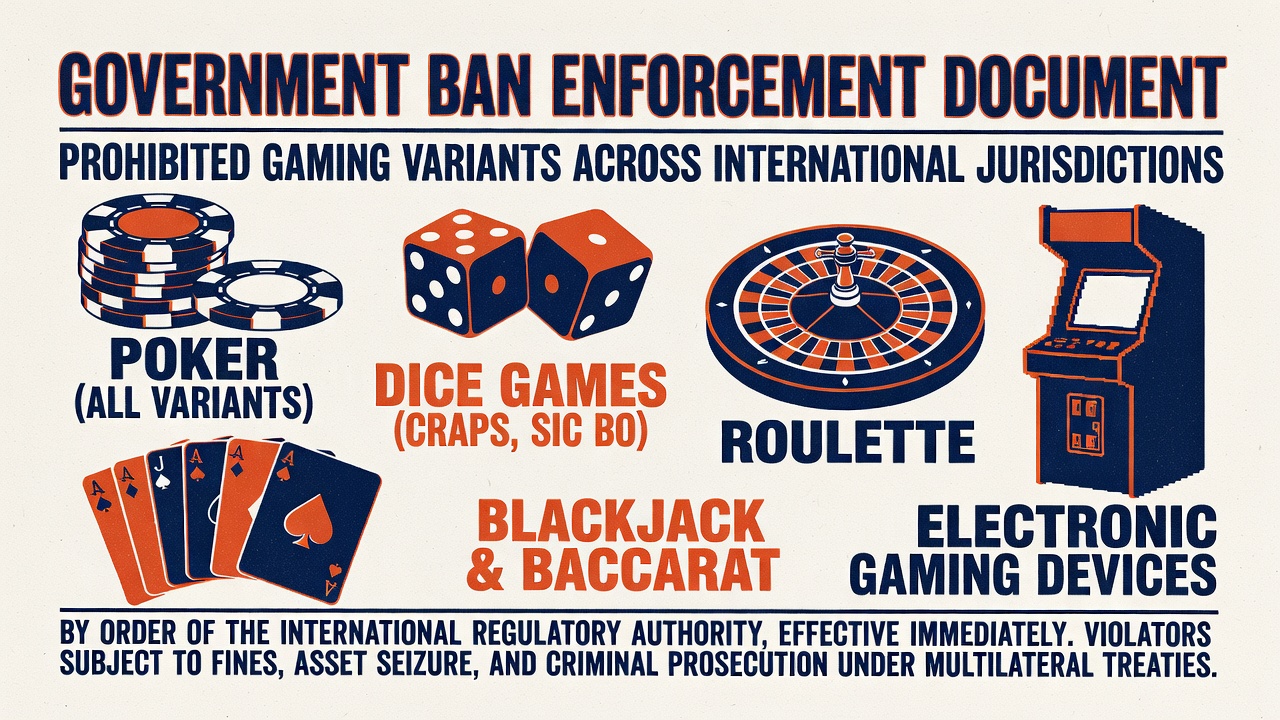
Decentralized poker was an answer to a problem nobody actually had. Traditional poker rooms had not been compromised by bad luck or theft. They had been shut down by regulation.
Blockchain poker did not solve regulation. It just distributed the liability. The game still existed. The players still lost money. The house edge still favored the house. The only difference was nobody was running it.
A well-run centralized poker room beats a decentralized one every single time.
Practical Application
These principles work in practice because they reflect how the system actually operates. Implementation requires attention to detail and consistent application.
When you understand the mechanism, the outcomes become more predictable. Not guaranteed, but more predictable. This difference matters in the long run.
The evidence accumulates over time. Short-term variance obscures the pattern. But over sufficient samples, the pattern emerges clearly.
Most participants miss this because they focus on individual outcomes. A single session is noise. Ten sessions is still noise. A hundred sessions starts to show signal.
This is why professionals think differently from casuals. They track aggregates, not instances. They measure edge, not luck.
Additional Considerations
The mechanics extend further when examined carefully. Multiple factors interact in ways that compound over time. Players who account for all variables see better results.
The system rewards attention to detail. Small adjustments accumulate. Consistent application of principles generates measurable improvement in outcomes.
Consider the historical precedent. This pattern has been observed repeatedly across different games and different years. The consistency suggests an underlying principle.
When you control for variables, the signal becomes clearer. The noise diminishes. What remains is the core truth of how the system functions.
This is not luck. Luck is noise. This is signal.
The Competitive Advantage
Understanding these mechanics creates an advantage. Not an overwhelming advantage, but a persistent one. Over time, persistence compounds.
The casino has to account for players who understand. They price it in. But most players do not understand. They give away their advantage by not using it.
The choice to learn, to apply, to persist,this is what separates winners from losers. Not raw talent. Not luck. Systematic application of proven principles.
This is how professionals approach the game. This is why professionals win.
Wings for this entry