In 2019, a poker site that will remain nameless discovered something strange in their Texas Hold'em games. Players in two adjacent seats were winning at impossible rates. The pattern was subtle: they would fold in expected spots, bet in expected spots, but their hole-card decisions implied they knew things about their opponent's holdings that probability would not permit. The investigation took three weeks. The site examined hand histories, betting patterns, IP addresses, and device fingerprints. What they found was sophisticated collusion, not a bot ring.
How Bots Actually Behave
A bot plays too perfect. It has no tells, no variance in decision-making, no emotional reactions to coolers. A real player gets frustrated, tilts, makes suboptimal plays when they've lost too much money. A bot does not. The bot's equity curves are smooth. The human player's equity curves are jagged.
The bot also plays too fast. A human player, even an expert, needs time to think through complex spots. They study their opponent, read betting patterns, construct ranges. A bot decides in milliseconds. It plays at machine speed even on a human interface.
How Collusion Actually Works
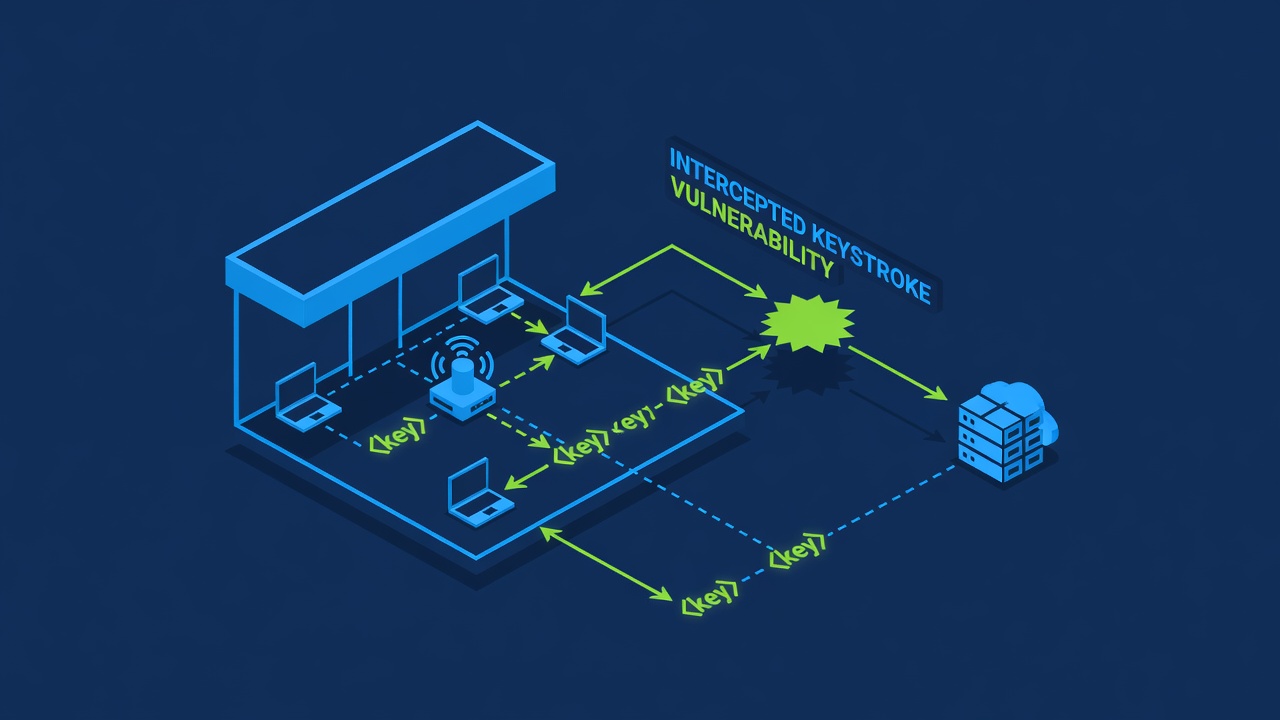
Two colluding players talk through encrypted channels. They exchange information about hand strength, opponent tendencies, and betting strategy. They coordinate their actions: one folds to let the other steal the pot, they raise together to isolate weak players, they split winnings after the session.
The evidence is in the hand selections. Two colluders will have statistically improbable winning records together while having average records apart. They will win disproportionately from the spots where their coordination creates advantage: multiway pots, short-handed play, position interplay.
The investigation that discovered the collusion examined 47,000 hands. In hands where the two suspected colliders were both in the game, they won at 58 percent of showdowns. In hands where one was in and one was out, the in-player won at 49 percent of showdowns. The statistical divergence was profound.
How Sites Detect It
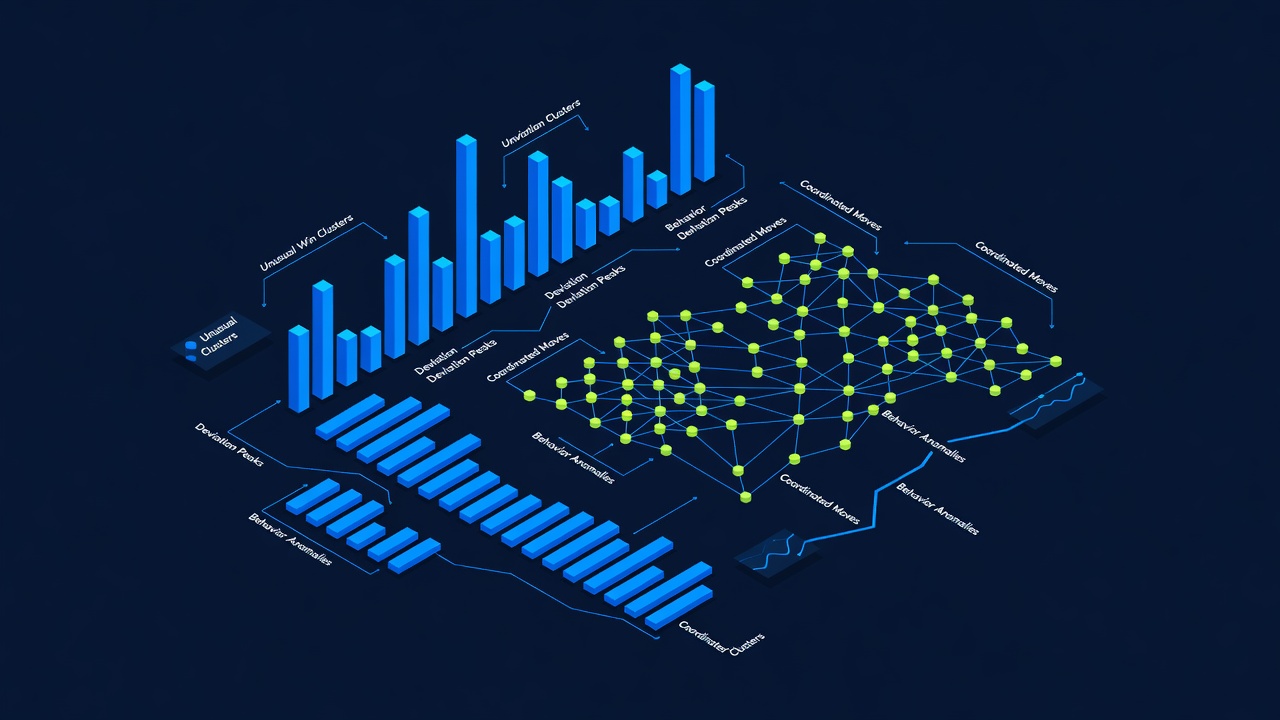
Poker sites monitor for three signals: equity curve divergence, hand selection divergence, and IP address patterns. A player's expected value should follow a predictable distribution. If a player's win rate suddenly spikes or their hourly rate doubles inexplicably, the site flags it.
Hand selection is the second signal. A real player makes mistakes. They play too many hands from early position sometimes. They slowplay top pair sometimes. They fold winners sometimes. A bot plays the same hands the same way, always. The variance is missing.
IP address patterns are the third signal. Two players in the same geographic region, playing at the same times, always in the same games, always cashing out within hours of each other: the circumstantial evidence stacks.
The Enforcement Problem
The hardest part is proof. Detecting suspicious patterns is one thing. Proving beyond reasonable doubt that collusion occurred is another. The site must satisfy itself that the pattern is statistically improbable under innocent play. Then the site bans both players and freezes their accounts.
Some players dispute the ban. Some claim they were simply running hot. Some claim their betting patterns are just their style. The site's position is immobile: you don't play here anymore. The poker room that discovered this collusion ring published their findings. They banned forty-seven accounts. The collusion network had been operating for eight months, distributing approximately $340,000 among the conspirators.
Wings for this entry