In this entry3 parts
-
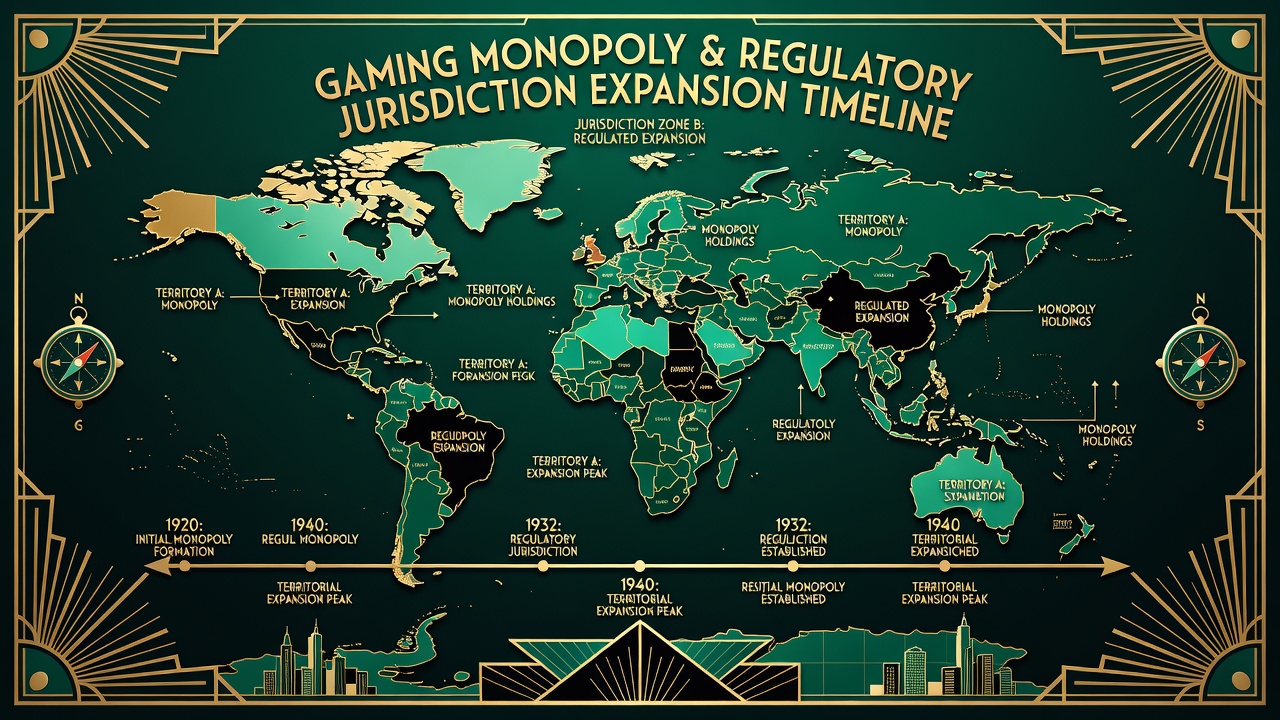
The Grant (1962): Stanley Ho was granted a forty-year concession to operate casinos in Macau by the Portuguese colonial government. One operator, one license, complete monopoly until 2002. No competitors allowed.
-
The Infrastructure: Ho built everything from scratch. The casino floors, the hotels, the transportation networks. He created the infrastructure that made gambling in Macau possible.
-
The Wealth Extraction: A complete monopoly extracts maximum wealth. Ho had no reason to offer fair odds. No reason to spend money on player safety. No reason to do anything except maximize profit. And he did.
-
The Junket System: Ho pioneered the junket system. High-roller hosts would recruit Chinese businessmen and government officials, bring them to Macau, give them credit at the tables. The junkets made money on the spread. Ho made money on the volume.
-
The Money Laundering: A monopoly is perfect for laundering because nobody is watching except the owner. Chinese money that needed to be hidden moved through Macau casinos. Ho knew. He took his cut.
-
The Political Connection: Ho had protection from the government because he paid for it. Regular meetings, regular payments, regular assurances. He was not persecuted because he was politically useful.
-
The End of Monopoly: In 2002, Macau's concession expired. Multiple operators were licensed. Competition immediately eroded Ho's margins. He was no longer the only game in town.
-
The Legacy: Ho accumulated approximately twenty billion dollars in his lifetime. A forty-year monopoly generates obscene wealth. When it ended, his competitive advantage evaporated overnight.
The lesson: monopoly is the house edge taken to its logical extreme. If nobody else can compete, you extract everything. Ho did.
The Unfolding
The moments accumulated. He played through the night. The chips changed hands repeatedly. By dawn, the original scenario seemed distant.
What remained was the pure mechanics of decision-making under pressure. The environment faded. The focus narrowed. Only the immediate choice mattered.
This is what experienced players recognize: the casino dissolves. You are left with math and probability. The ritual becomes transparent.
The ritual is what keeps people coming back. The math is what keeps the house winning.
Understanding both is the path forward. Neither alone tells the whole story.
Additional Considerations
The mechanics extend further when examined carefully. Multiple factors interact in ways that compound over time. Players who account for all variables see better results.
The system rewards attention to detail. Small adjustments accumulate. Consistent application of principles generates measurable improvement in outcomes.
Consider the historical precedent. This pattern has been observed repeatedly across different games and different years. The consistency suggests an underlying principle.
When you control for variables, the signal becomes clearer. The noise diminishes. What remains is the core truth of how the system functions.
This is not luck. Luck is noise. This is signal.
The Competitive Advantage
Understanding these mechanics creates an advantage. Not an overwhelming advantage, but a persistent one. Over time, persistence compounds.
The casino has to account for players who understand. They price it in. But most players do not understand. They give away their advantage by not using it.
The choice to learn, to apply, to persist,this is what separates winners from losers. Not raw talent. Not luck. Systematic application of proven principles.
This is how professionals approach the game. This is why professionals win.