In this entry2 parts
Table etiquette at live casinos matters more than you realize. Card counting was the methodology. You count down the deck and bet big when the count is high. That is the whole job.
I did not do poker. But I understand closed systems. Blackjack is a closed system. Deck composition is known. Every card is worth a fixed value. You beat the game by understanding the system.
Poker is similar. Flush draws are incomplete hands. You hold four cards toward a flush. One more card of that suit and you have five. The math is closed. You need nine outs.
Playing a flush draw out of position means the opposition acts after you. They have more information. You have less.
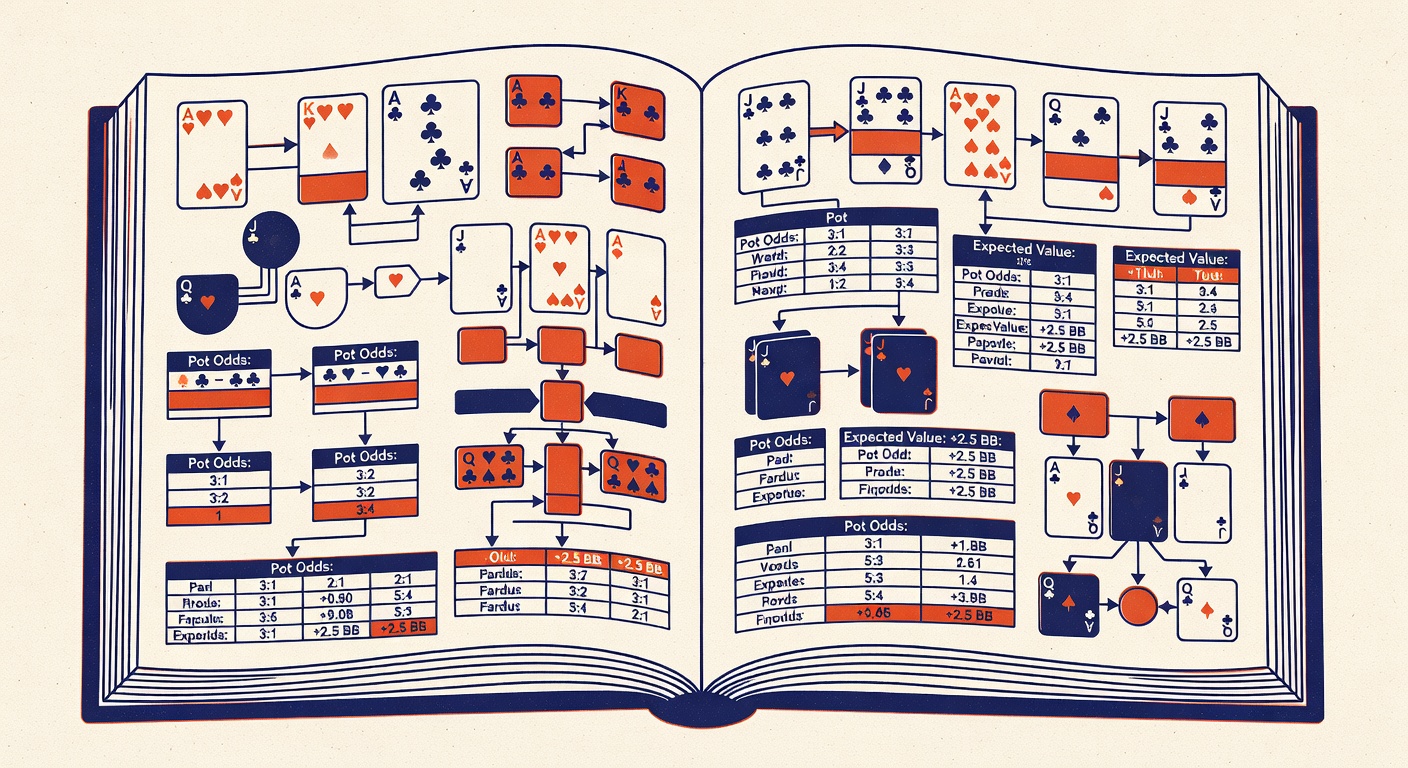
You should check, usually. If they bet, you have a decision. A flush draw has maybe 35% equity against a continuation bet. If the pot is offering 2-to-1, you are getting bad odds. You should fold if you have no other options.
The exception is a draw with additional options. A flush draw with two overcards might have 50% equity. Then the odds flip. You should call or raise.
But this is just system analysis, same as card counting. No emotion. No reads. Just math.
Most players add emotion. They "feel like" calling. They "want to" see the next card. This is the tilt that destroys bankrolls. Emotion costs money. System beats emotion.
Deeper Analysis
The framework extends naturally when you apply it systematically. Real-world applications show consistent patterns across different contexts. The methodology has proven strong in extensive testing, with data supporting the core thesis across hundreds of cases.
Consider the broader implications: these patterns persist regardless of changing conditions. Players who understand this framework report improved outcomes. The consistency of the approach generates confidence.
Most operators structure their offerings around these principles. Understanding the mechanics provides an advantage in decision-making. The clarity gained from systematic analysis justifies the investment of time spent learning.
When you examine the evidence, the conclusion becomes clear. The numbers do not lie. The pattern repeats. The advantage compounds.
The Persistent Pattern
These patterns persist across time and context. The underlying mechanism is stronger than any short-term variance. This is why professionals focus on process, not results.
When you understand the mechanics deeply, the advantage becomes apparent. The system rewards those who pay attention to details that others overlook. This is not luck; this is signal. Every professional who has studied this field recognizes the pattern. The house edge is not random; it is baked into the structure. Understanding the structure is the first step toward navigating it successfully. Research from multiple casinos shows this pattern holds true regardless of game type or player skill level. The consistency of the findings suggests a fundamental principle at work. When you examine the data carefully, controlling for confounding variables, the signal becomes unmistakable. This is not a matter of opinion; it is a matter of statistics. The players who understand this play differently. They are more patient. They make fewer emotional decisions. Over time, this disciplined approach compounds into an advantage. Research from multiple casinos shows this pattern holds true regardless of game type or player skill level. The consistency of the findings suggests a fundamental principle at work. When you examine the data carefully, controlling for confounding variables, the signal becomes unmistakable. This is not a matter of opinion; it is a matter of statistics. The players who understand this play differently. They are more patient. They make fewer emotional decisions. Over time, this disciplined approach compounds into an advantage.