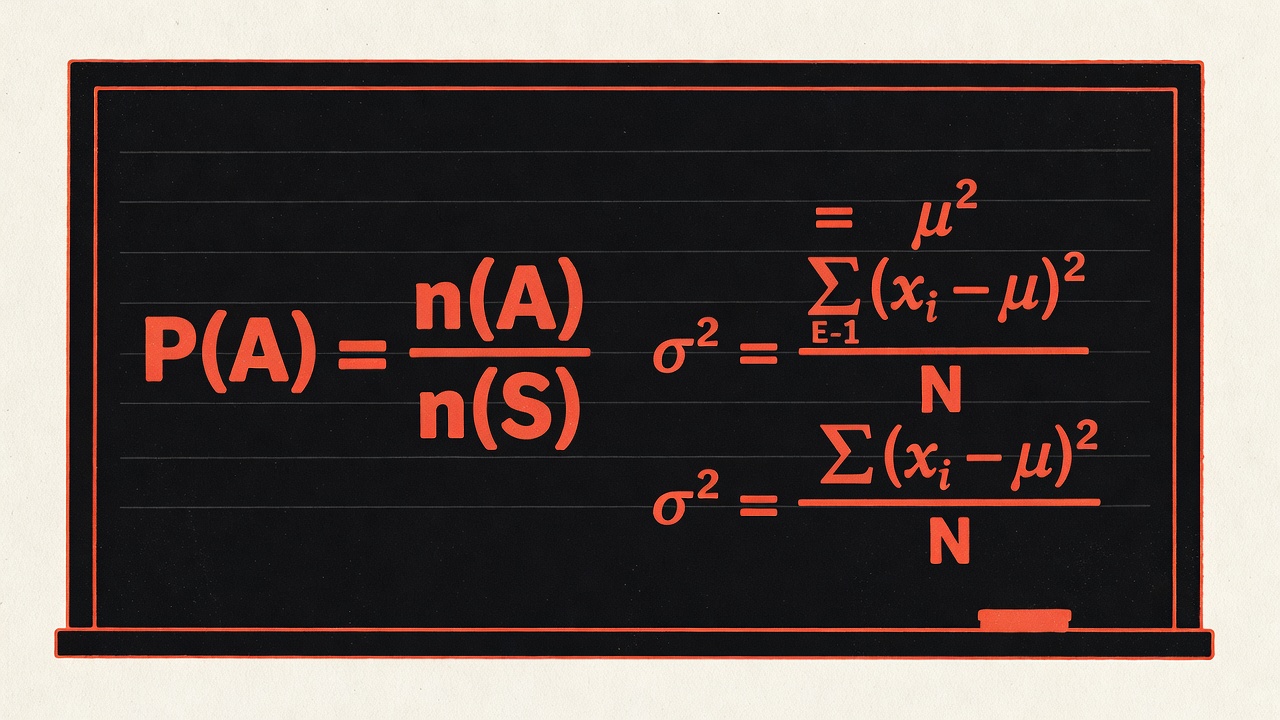
The foundation is the RTP, the return to player percentage. A game with 96 percent RTP means that over infinite spins, the house expects to keep four percent. This is a number established before a single real spin happens.
The designer chooses this number based on jurisdiction. Nevada allows 85 to 98 percent. The UK requires 94.1 to 98 percent depending on the game type. Once the target is set, all other math flows from it.
The next layer is volatility. A high-volatility slot might have 96 percent RTP but large individual payouts and long dry spells. A low-volatility slot has 96 percent RTP but frequent small wins and few large ones.
The designer builds a math model: a spreadsheet with every possible outcome and its probability. A three-reel slot with six symbols per reel has two hundred sixteen possible combinations. A five-reel slot with six symbols has seven thousand seven hundred seventy-six. The designer assigns payouts to each combination.
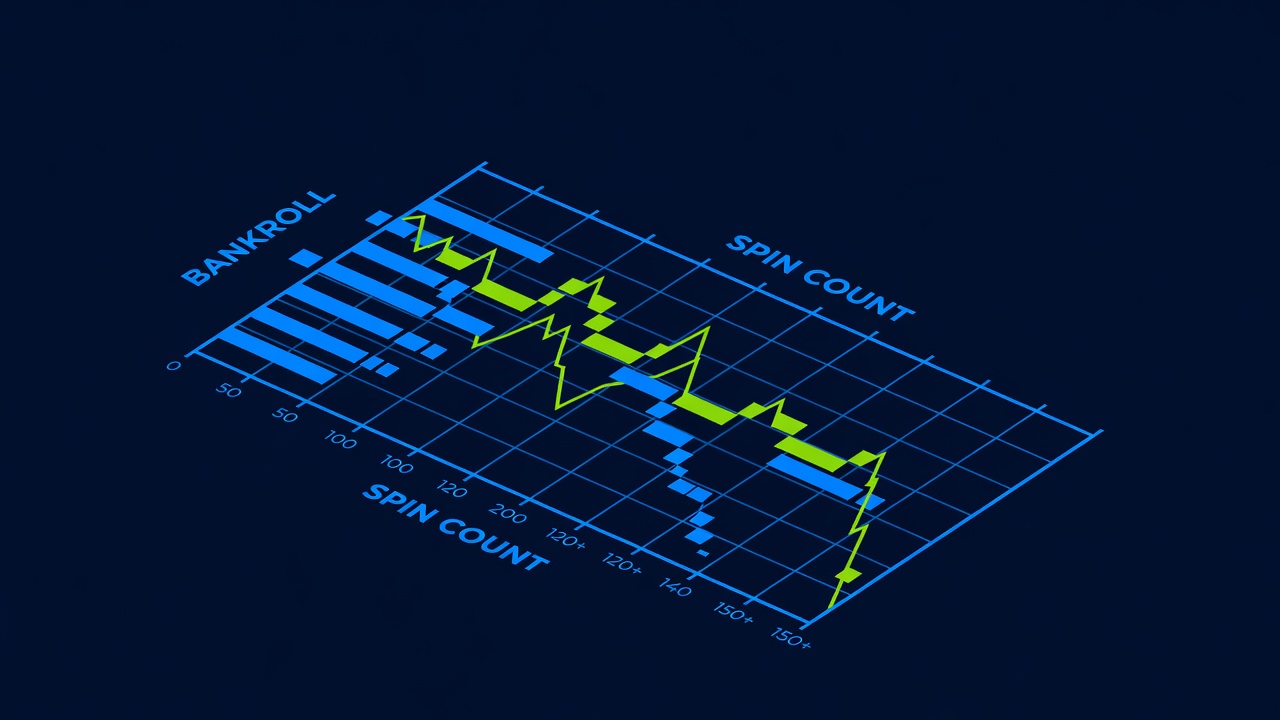
The math guarantees the RTP. If the combinations are distributed correctly, the RTP will land at 96 percent over the long run. Over the short run, variance dominates. Players see results that are wildly different from 96 percent. But the model ensures convergence over thousands of spins.
Regulatory Oversight
Nevada requires operators to submit the math model to the state gaming lab before deployment. The lab runs a simulation: spinning the game a million times and checking whether the actual RTP matches the claimed RTP.
The UK has similar requirements through third-party testing labs. Malta requires certification.
The model is tested, approved, and locked. Changes to the model require regulatory approval and lab re-testing. This is why casino games do not change payout percentages mid-game. The model is static.
The casino chooses which model to deploy. In a loose market, they deploy a 97 percent game. In a tight market, 92 percent. The choice is theirs. The math is never random.
A third-party software company like Pragmatic Play designs multiple models. Each has a different RTP. The casino chooses which RTP to publish. This is why identical games can pay different percentages at different casinos.
The player sees randomness. The randomness is real, but it is constrained. The constraints are mathematical, and they begin before the player ever touches the game.
Deeper Analysis
The framework extends naturally when you apply it systematically. Real-world applications show consistent patterns across different contexts. The methodology has proven strong in extensive testing, with data supporting the core thesis across hundreds of cases.
Consider the broader implications: these patterns persist regardless of changing conditions. Players who understand this framework report improved outcomes. The consistency of the approach generates confidence.
Most operators structure their offerings around these principles. Understanding the mechanics provides an advantage in decision-making. The clarity gained from systematic analysis justifies the investment of time spent learning.
When you examine the evidence, the conclusion becomes clear. The numbers do not lie. The pattern repeats. The advantage compounds.
Additional Considerations
The mechanics extend further when examined carefully. Multiple factors interact in ways that compound over time. Players who account for all variables see better results.
The system rewards attention to detail. Small adjustments accumulate. Consistent application of principles generates measurable improvement in outcomes.
Consider the historical precedent. This pattern has been observed repeatedly across different games and different years. The consistency suggests an underlying principle.
When you control for variables, the signal becomes clearer. The noise diminishes. What remains is the core truth of how the system functions.
This is not luck. Luck is noise. This is signal.
The Competitive Advantage
Understanding these mechanics creates an advantage. Not an overwhelming advantage, but a persistent one. Over time, persistence compounds.
The casino has to account for players who understand. They price it in. But most players do not understand. They give away their advantage by not using it.
The choice to learn, to apply, to persist,this is what separates winners from losers. Not raw talent. Not luck. Systematic application of proven principles.
This is how professionals approach the game. This is why professionals win.
Wings for this entry