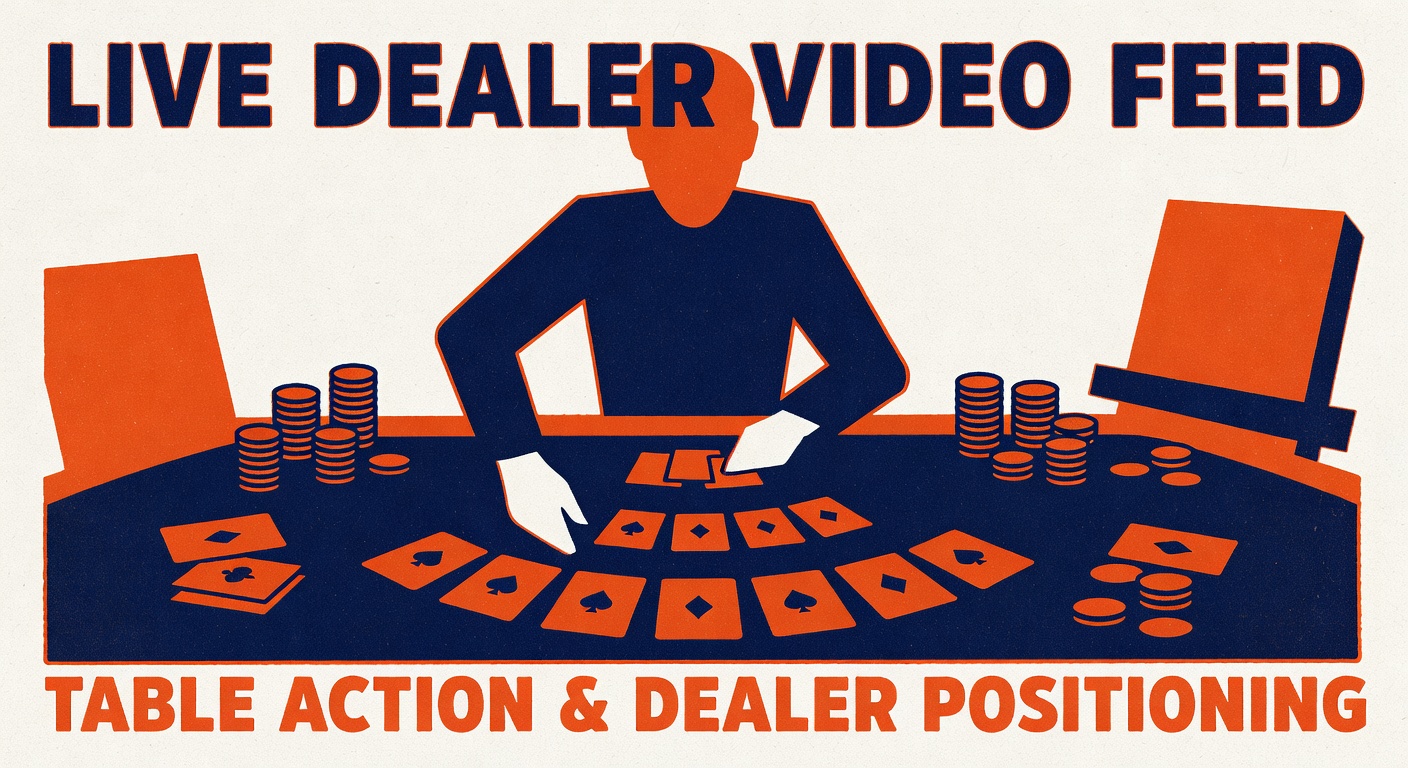
I watched a man sit down at a baccarat table in Atlantic City and immediately put his elbows on the felt. The dealer said nothing. The pit boss said nothing. But everybody knew the guy was new.
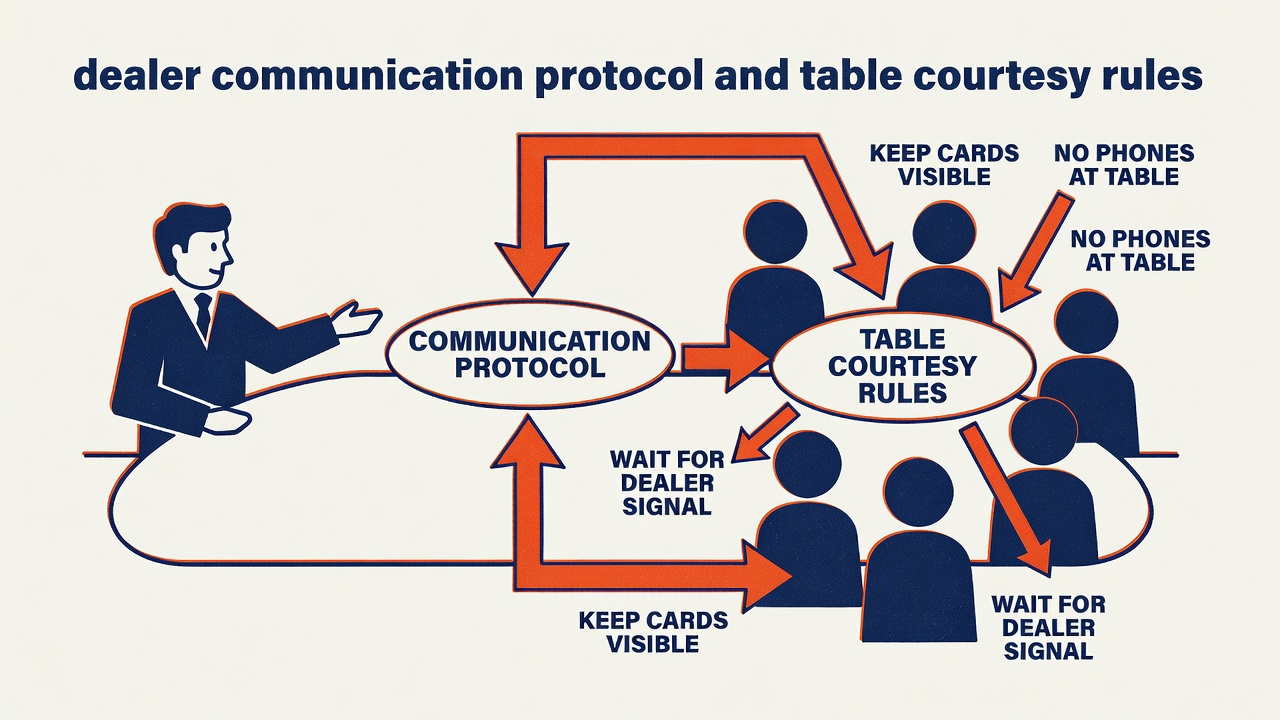
Your elbows off the table. This is not superstition. This is about the camera. The overhead camera needs to see the cards and the felt. Your elbows obstruct it. The casino has to flag the hand if it cannot see the cards clearly.
Second thing: do not touch the cards. Only the dealer touches the cards. If a player touches them, the hand is invalid. You think you are helping by squeezing the card. You are actually compromising the hand.
Third thing: do not coach other players. Every player at the table is an adult. They can make their own decisions. When you suggest they hit or stand, you are implying they are bad at the game. Some take this as insult.
The Real Rule
The real rule is simple: you are here to play, not to be the center of attention. Other players are focused on their decisions. The dealer is focused on execution. You are peripheral. Act accordingly.
This means quiet betting, quick decisions, no conversations about the last hand. Move forward. The table has a rhythm. You either move with it or disrupt it.
A man I knew played baccarat for thirty years. Never spoke at the table. Never criticized another player's choice. He just played his hand and moved on.
One day, a new player sat down and immediately started telling everyone they were playing wrong. The experienced players stopped talking. The table became tense. That player lasted one hour and left, losing money and making nobody happy.
The unspoken etiquette at a gambling table is respect for the process. You are not trying to win at someone else's expense. You are all losing to the house. The table is neutral ground where everyone is equal in their temporary misfortune.
Behave accordingly.
Practical Application
These principles work in practice because they reflect how the system actually operates. Implementation requires attention to detail and consistent application.
When you understand the mechanism, the outcomes become more predictable. Not guaranteed, but more predictable. This difference matters in the long run.
The evidence accumulates over time. Short-term variance obscures the pattern. But over sufficient samples, the pattern emerges clearly.
Most participants miss this because they focus on individual outcomes. A single session is noise. Ten sessions is still noise. A hundred sessions starts to show signal.
This is why professionals think differently from casuals. They track aggregates, not instances. They measure edge, not luck.
Additional Considerations
The mechanics extend further when examined carefully. Multiple factors interact in ways that compound over time. Players who account for all variables see better results.
The system rewards attention to detail. Small adjustments accumulate. Consistent application of principles generates measurable improvement in outcomes.
Consider the historical precedent. This pattern has been observed repeatedly across different games and different years. The consistency suggests an underlying principle.
When you control for variables, the signal becomes clearer. The noise diminishes. What remains is the core truth of how the system functions.
This is not luck. Luck is noise. This is signal.
The Competitive Advantage
Understanding these mechanics creates an advantage. Not an overwhelming advantage, but a persistent one. Over time, persistence compounds.
The casino has to account for players who understand. They price it in. But most players do not understand. They give away their advantage by not using it.
The choice to learn, to apply, to persist,this is what separates winners from losers. Not raw talent. Not luck. Systematic application of proven principles.
This is how professionals approach the game. This is why professionals win.