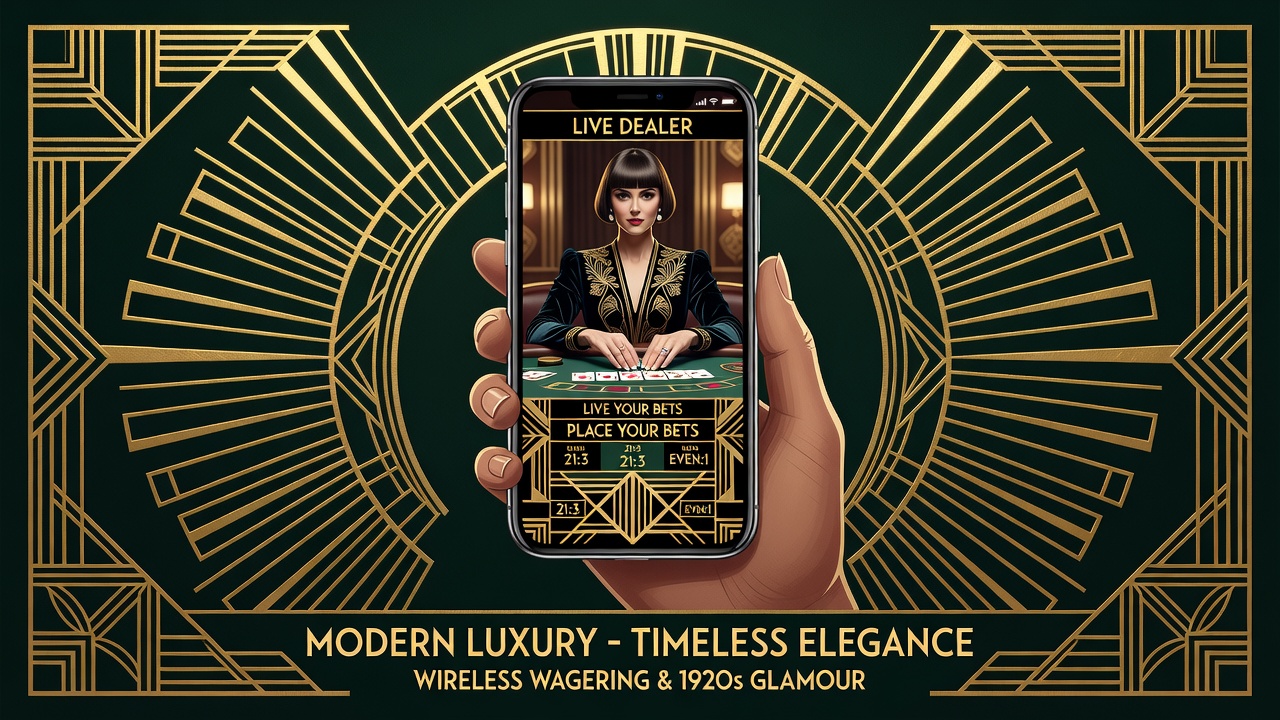
Maria sits at a table in a studio somewhere in Eastern Europe, her fingers hovering over a roulette wheel. She is not your dealer; she is the dealer, and thousands of players online are watching her every move on their screens. The ball drops. The wheel spins. The outcome is determined by physics and her hand, not by mathematics running silently in the background.
This is the paradox at the heart of modern gambling: two ways to play the same game, each with its own grip on the human imagination.
Live Dealer vs RNG: The Core Difference
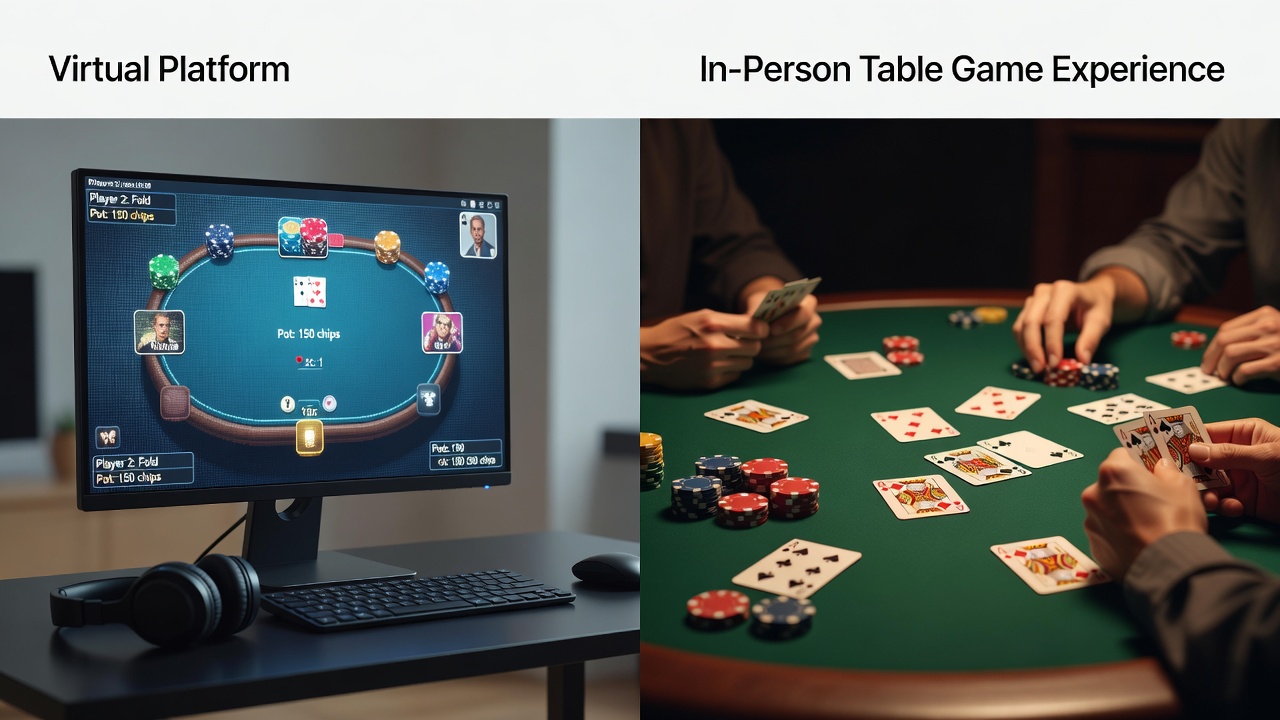
Live dealer roulette arrived in earnest in the early 2010s, though the concept existed before that. Operators realized something obvious in hindsight: players wanted witnesses. They wanted to see the wheel turn with their own eyes, to know that a human being (flawed, present, bound by the same laws of physics) had set the game in motion. The livestream brought the casino floor into the living room. Evolution Gaming, Pragmatic Play, and other studios built entire operations around this idea, hiring dealers, installing high-definition cameras, and managing the latency problems that come with streaming real-time gameplay across borders.
RNG roulette, by contrast, is almost invisible. The player places a bet on their phone or computer, and software generates the result. A certified random number generator, tested by third-party auditors, produces the spin. No one is there. No wheel turns. The code runs on a server, and the outcome is displayed on screen. It is frictionless. It is anonymous. It is fast.
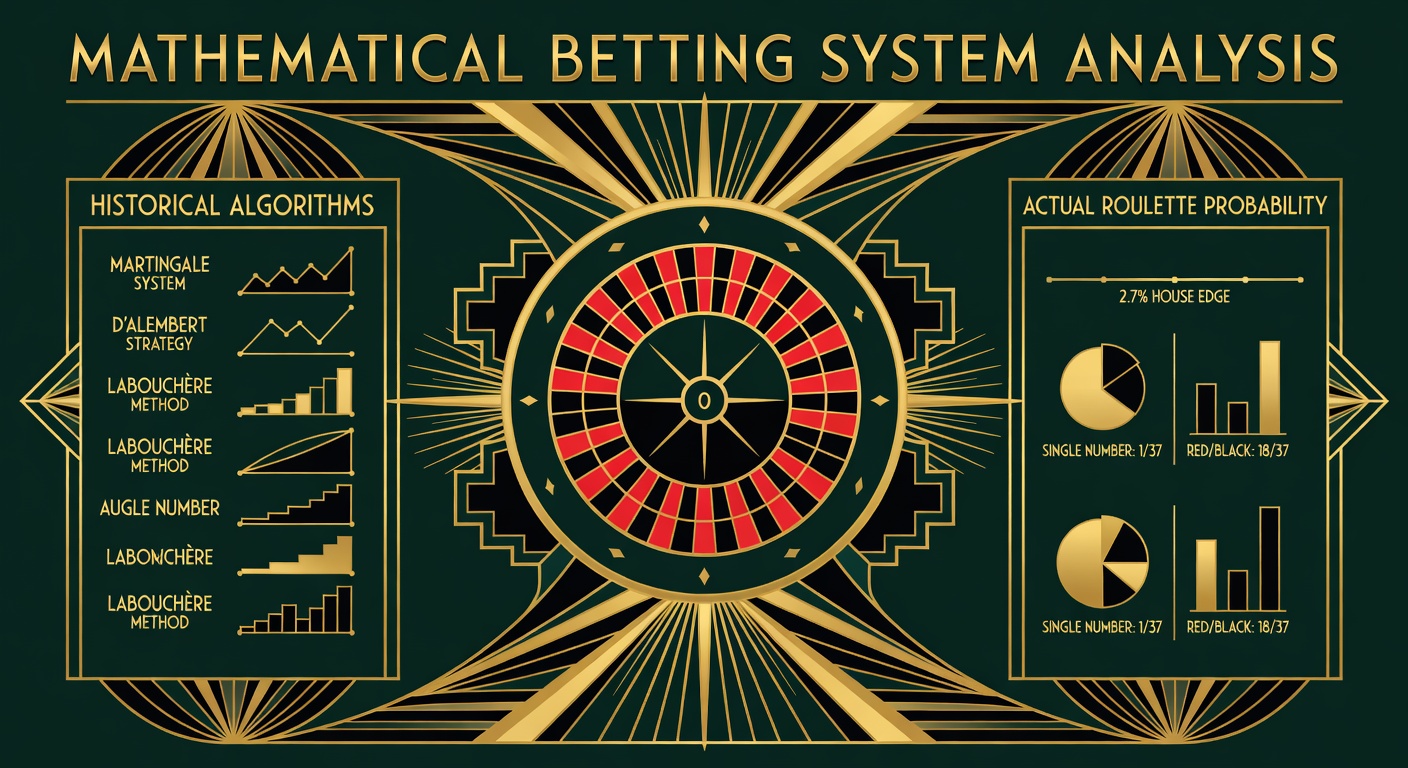
The mathematics should be identical. Both versions, in a regulated environment, produce the same long-term expected value. A European roulette wheel pays out at roughly 97.3 percent over time, whether that wheel is in a studio or existing purely in code. The house edge does not change. The probability of any given number landing does not change. A $100 bet on red loses the same amount of money in expectation, either way.
So why do players care so deeply about which one they choose?
The Psychology of Observation
Start with what psychologists call the illusion of control. When something is present and observable, we tend to believe we have more influence over it than we actually do. A roulette wheel is an object in space. You can watch the dealer, note the speed at which she spins, the weight and composition of the ball. You cannot control any of it, yet the visible ritual creates a sense of participation. You are not simply waiting for an algorithm to return a result; you are witnessing an event. It is a subtle thing, but it matters.
Then there is the matter of trust. RNG is an abstraction. Most players do not understand how a random number generator works, let alone how to verify that it is truly random. They take it on faith that a licensed operator and an independent testing house have done their jobs. Live dealer games ask for a different kind of faith. You must trust the dealer's integrity and the hardware that captures her movements. But these are tangible things. You can see them. A dealer cannot secretly swap the ball or load the wheel in the way you might, irrationally, suspect software can be manipulated.
Operators have noticed this difference in player behavior. Live dealer suites have expanded across the market. Stake, DraftKings, BetMGM, and others invest heavily in live dealer rooms not because the math is better but because the experience sells itself. Players spend more time at live tables. They stay longer. They feel less anonymous, less like they are feeding their money into a machine.
The Trade-offs
But there is a cost to this visibility. Live dealer games are slower. The dealer must shuffle, must spin, must wait for bets to close. A good live roulette session might run 20-30 spins per hour. An RNG roulette game can produce results at any speed the player desires. Some automated systems run at one spin every few seconds. If you are trying to lose money quickly, RNG is more efficient.
There is also the question of game variety. RNG systems can simulate variants that would be difficult or impossible with a human dealer. Lightning Roulette, a Pragmatic Play product, adds multipliers to random numbers at certain positions on the board. The wheel itself becomes an afterthought; the drama arrives from the bonus feature. Live versions of these games exist, but they require careful choreography and equipment beyond a standard studio.
Price matters too, though it is not always transparent. Live dealer games cost operators more to run. Some of that cost passes to the player through slightly worse odds or lower maximum bets. Not always, and not obviously. But a careful comparison of the same operator's offerings sometimes shows live games with a higher edge. Sometimes they are identical. The economics vary wildly by jurisdiction and operator.
Which one should you play? The mathematics will give you the same answer: expect to lose roughly 2-3 percent of whatever you bet, over time. Choose based on what you value. If you want community, presence, and the sense that something real is happening, live dealer is your game. If you want speed, privacy, and the ability to pause between hands, RNG is the answer. If you are trying to make money, neither is the answer, because both exist to transfer your money to the house.
Maria spins the wheel again. Somewhere, a player watches the ball land and feels, for just a moment, like they were part of something. That feeling is worth the cost of admission to some people. To others, it is an unnecessary friction on an efficient path to a known outcome. Both perspectives are reasonable. The game is the same. The experience is not.
Wings for this entry