The studio is in Tbilisi, Georgia. Outside, the rain is falling on streets that tourists do not photograph. Inside, under lights, there are five roulette wheels and 12 cameras. Each wheel has a different name. Each camera feeds to a server. The server streams to players scattered across Europe and the United Kingdom and Australia and Singapore.
A woman in London opens her laptop at 11pm. She logs into an online casino. She selects Auto Roulette Platinum from the menu. The stream opens. She sees the roulette wheel, directly overhead. The lighting is precise. The wheel is enormous on her screen, filling the entire laptop display. She places a bet. The wheel spins. The ball lands. She has lost.
Live Dealer Roulette is different. The studio is the same Tbilisi location, but there is a person. She sits in front of the wheel. She is dressed professionally. She greets the player by name sometimes (if their account has been flagged as a whale or a VIP). She spins the wheel when the player instructs. She announces the result. She is a human interface.
Auto Roulette is the same game without the human. The wheel spins on a schedule, or when enough players have placed bets, or continuously depending on the software. There is no dealer. There is no personality. There is only the wheel and the mathematics.
The Experience Difference
Live Dealer Roulette costs more. A single spin with a live dealer might take 45 seconds to 60 seconds, accounting for player decision-making time, the dealer's speech, the spin, and the ball landing. Auto Roulette spins every 10 to 15 seconds. This speed difference means Auto Roulette generates approximately 3 to 4 times as many spins per hour as Live Dealer Roulette.
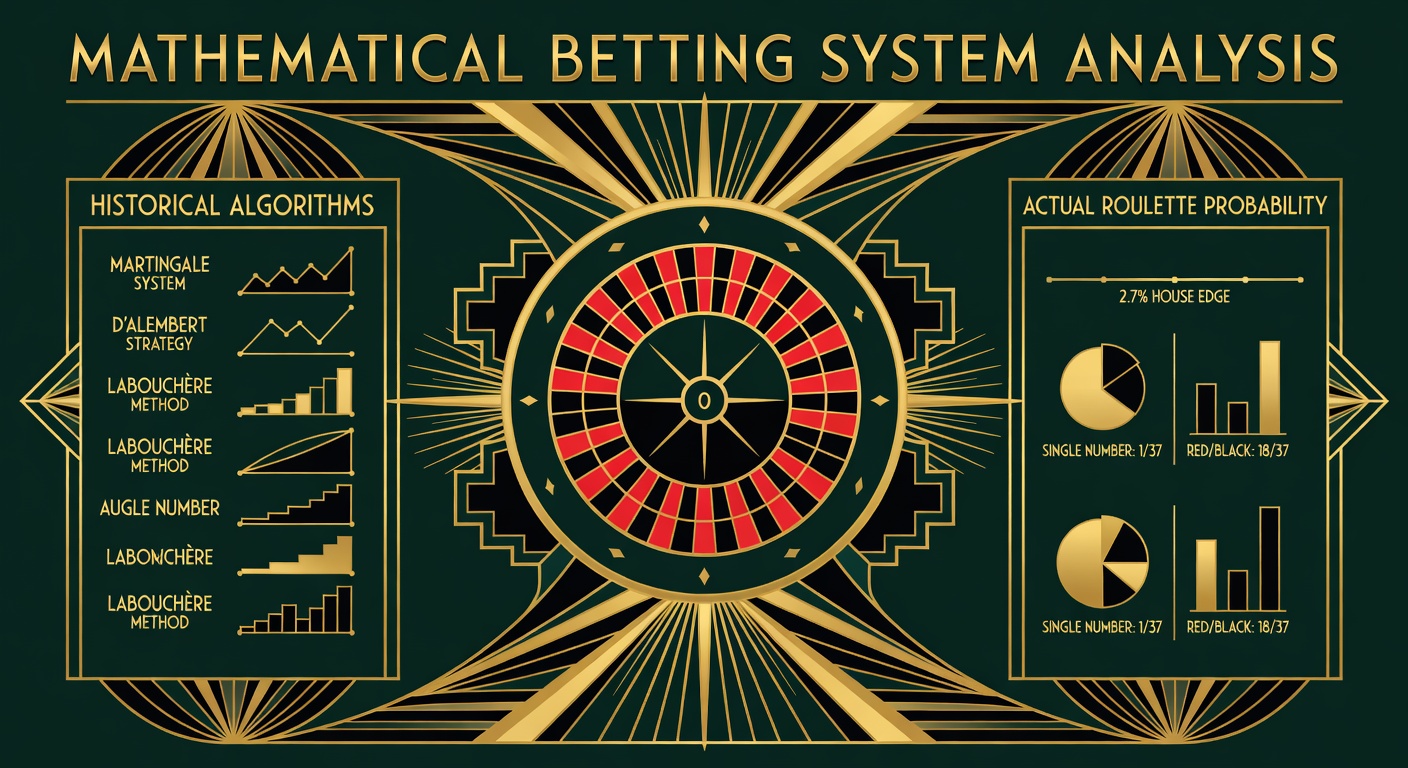
The mathematics of the house edge does not change. European roulette is a 2.7 percent house edge regardless of whether a human dealer or a machine controls the wheel. The payout structure is identical. The RNG is equally fair. The fundamental probability distribution is the same.
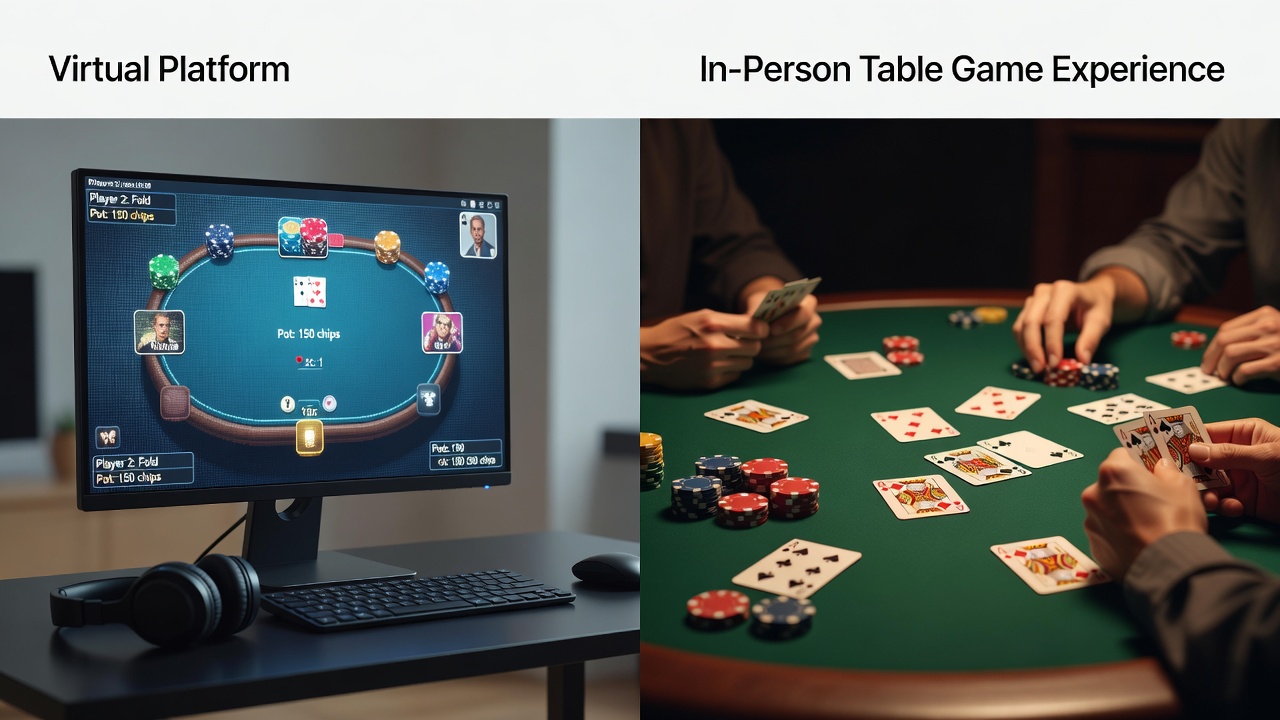
But the psychological experience is different. A live dealer brings social context. The dealer is a person. She might mention that the last 12 spins were black (they were). She might commiserate if you lose. She might congratulate if you win. None of this changes the mathematics. All of it changes the feeling.
Auto Roulette strips away the social component and accelerates the action. A player can experience more variance in less time. A player can lose more money faster, or win more money faster. The acceleration changes the emotional texture without changing the actual odds.
Casinos offer both because they serve different players. A player who wants a social experience, who wants to be acknowledged, who wants to play slowly and carefully, chooses Live Dealer. A player who wants speed, who wants maximum action, who wants to detach from the social component, chooses Auto Roulette.
The studio in Tbilisi operates both simultaneously. Five wheels running Auto Roulette. Two wheels running Live Dealer. The staffing requirements are different. Live Dealer requires three dealers per shift (one active, one backup, one on break). Auto Roulette requires one technician per ten wheels. Auto Roulette is more profitable for the operator. One technician can monitor fifty wheels. Fifty wheels running continuously can generate more revenue than five live tables.
The players cannot afford to think about this calculus. They are thinking about whether to bet red or black. But on the operator side, the decision is simple: every player converted from Live to Auto is three to four times the revenue at lower staff cost. The casinos are slowly moving the product toward Auto because Auto is better for them.
The woman in London at 3am, playing Auto Roulette alone at her laptop, is the future of the product. She is one of thousands of players, each alone, each playing simultaneously against the same wheels, each generating revenue per spin. She is not there for the experience. She is there for the action. The studio in Tbilisi is optimizing for exactly this: maximum action, minimum human contact, maximum revenue per physical location. It works.
Wings for this entry