I grew up reading profiles in Sunday magazines. Long-form stories about people. Texture and detail. Poker is the same way. You have to see the full picture.
Suited connectors are interesting in poker because they look playable but are actually only playable in specific spots.
What They Are
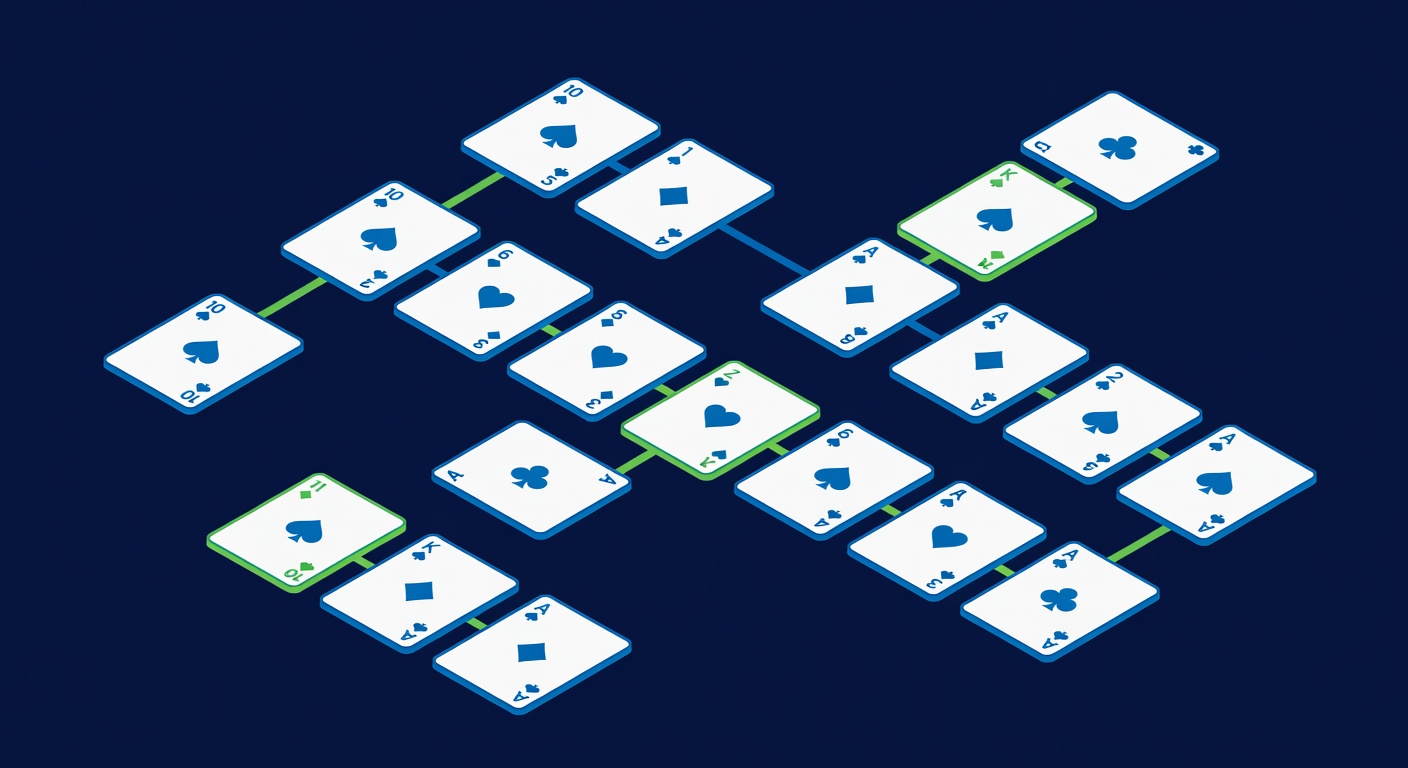
Suited connectors are two cards of the same suit, one rank apart. 7-6 of hearts. 9-8 of diamonds. King-Queen of clubs.
They look good because they can make straights (two different ways) and flushes (same suit). The upside is substantial.
The downside is often overlooked: they miss a lot.
Why They Look Good
Poker media loves suited connectors because they tell a good story. A player plays 7-6 suited. Flops a flush draw. Gets there on the turn. Wins a big pot. The narrative is: he played well.
In reality, he got lucky. The 7-6 made a hand. Most of the time, it doesn't.
The Profitability Question
A 7-6 suited has multiple ways to win: make a straight, make a flush, make two pair, win by bluffing.
But against a stronger starting hand (like a pair of Kings), the 7-6 is approximately a 3-to-2 underdog (35 percent equity versus 65 percent).
This means that in the long run, you lose money playing 7-6 out of position against reasonable opposition.
When They Work
Suited connectors are profitable in specific situations:
-
Early position, small blind, facing a big blind who plays too many hands. You can steal antes and pick up blinds profitably.
-
In position (late position), facing a weak player who folds too much. You can play more aggressively.
-
In deep stacks (more than 100 big blinds) against aggressive opponents who fold too much to aggression.
Out these three factors, most of your profit comes from position and opponent weakness, not from the cards themselves.
The Stack Size Effect
With shallow stacks (20-40 big blinds), suited connectors are weak. You cannot set mine (call preflop hoping to make a strong hand). You are forced all-in before the outcome is determined.
With deep stacks (150+ big blinds), suited connectors are stronger. You can call preflop, see multiple streets, and only continue if you actually make a hand.
The same cards are worth 30 percent more when you have more room to maneuver.
The Position Story
Out of position (early, blinds), 7-6 is a fold unless you have a specific reason to play (stealing, the table is weak).
In position (late, button), 7-6 becomes playable because you can see what your opponent does before deciding.
Position matters more than the cards in this spot.
The Real Application
If you want to play suited connectors profitably, you need:
- Position (you act last)
- Deep stacks (at least 80 big blinds)
- Weak opposition (players who fold too much or miss too much)
Without these, 7-6 is a fold.
Most players learn to play too many hands, too often, from too many positions. Suited connectors are where this impulse gets rewarded occasionally and punished frequently.
The Subtle Point
Profitability in poker comes from playing hands that have positive expected value in the specific situation.
Suited connectors have positive EV in narrow situations and negative EV in broad situations. The player who understands the difference can play them profitably. The player who doesn't will lose money.
The Sunday magazine story would be about a player who mastered this nuance. The real story is less sexy: position, stacks, and opponent selection matter far more than the allure of suited connectors.