I spent forty years preaching before I started thinking about poker. What I learned was this: confrontation has rules. Understand the rules and you understand the outcome.
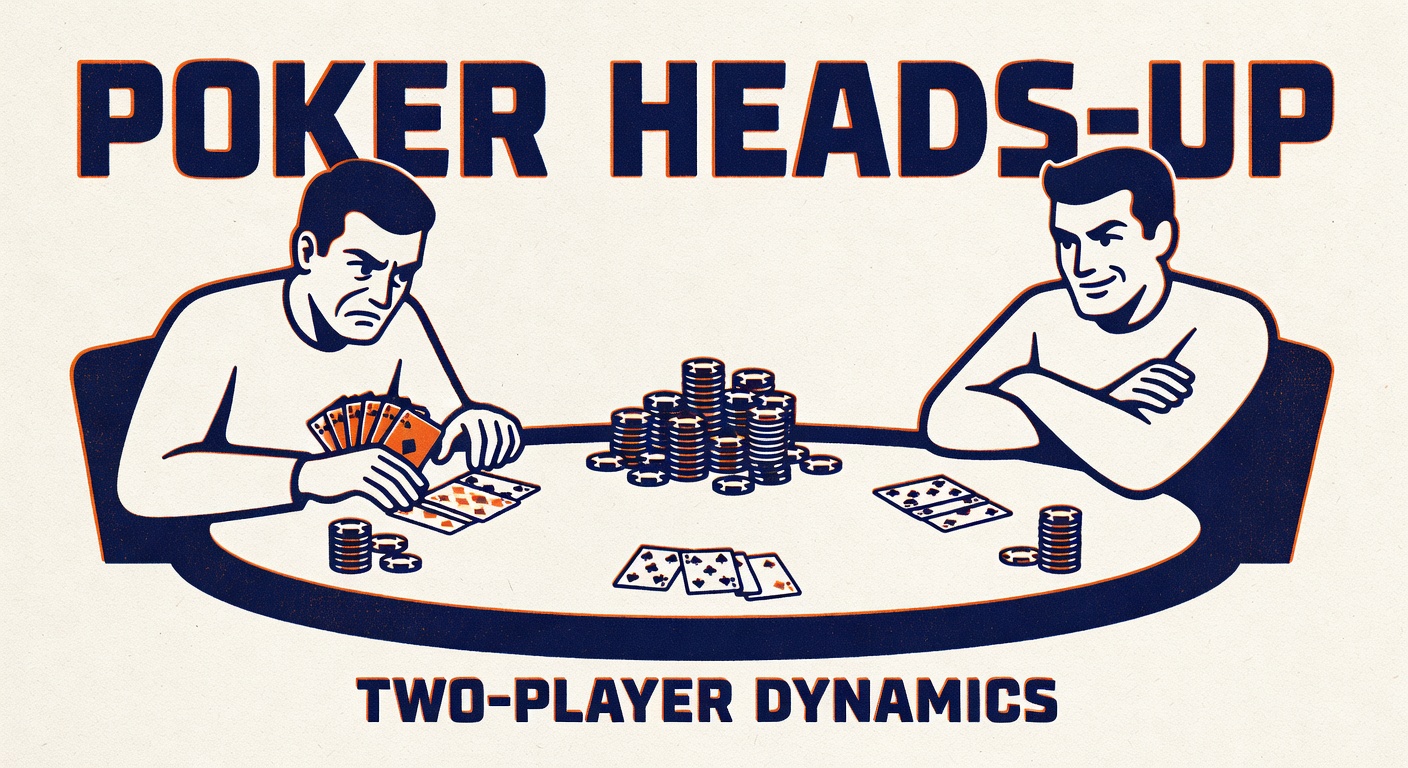
Heads-up sit-and-go tournaments are confrontation in its purest form. Two players. One bankroll survives. The other vanishes.
The Setup
A sit-and-go tournament starts with two players. Each gets a chip stack. The blinds increase at regular intervals.
You play until one player has all the chips. The other player is eliminated.
Unlike a multi-table tournament, there is no prize distribution. One person wins all the money. The other gets nothing.
The Button Advantage
In heads-up poker, the button acts first preflop and last postflop. This is a significant advantage.
A player with the button can see what their opponent does before acting. A player in the small blind must act first.
Over a full sit-and-go, the button player wins approximately 55 percent of hands. This is pure positional advantage.
The Early Game: Aggression
Early in a sit-and-go, chip stacks are large relative to blinds. A player can afford to play more hands and take more risks.
The button player should exploit this by raising more hands. The small blind player should fold more hands.
This creates an asymmetry: the button player accumulates chips while the small blind player loses them.
The Middle Game: Balance
As the sit-and-go progresses, blinds increase. Chip stacks become smaller relative to blinds.
A player with 50 big blinds can afford to be choosy about when they push all-in. A player with 20 big blinds must push more often.
Managing this transition is critical. You want to maintain chips while your opponent loses them.
The Endgame: Push Fold
When stacks are small (under 15 big blinds), the game becomes mathematical.
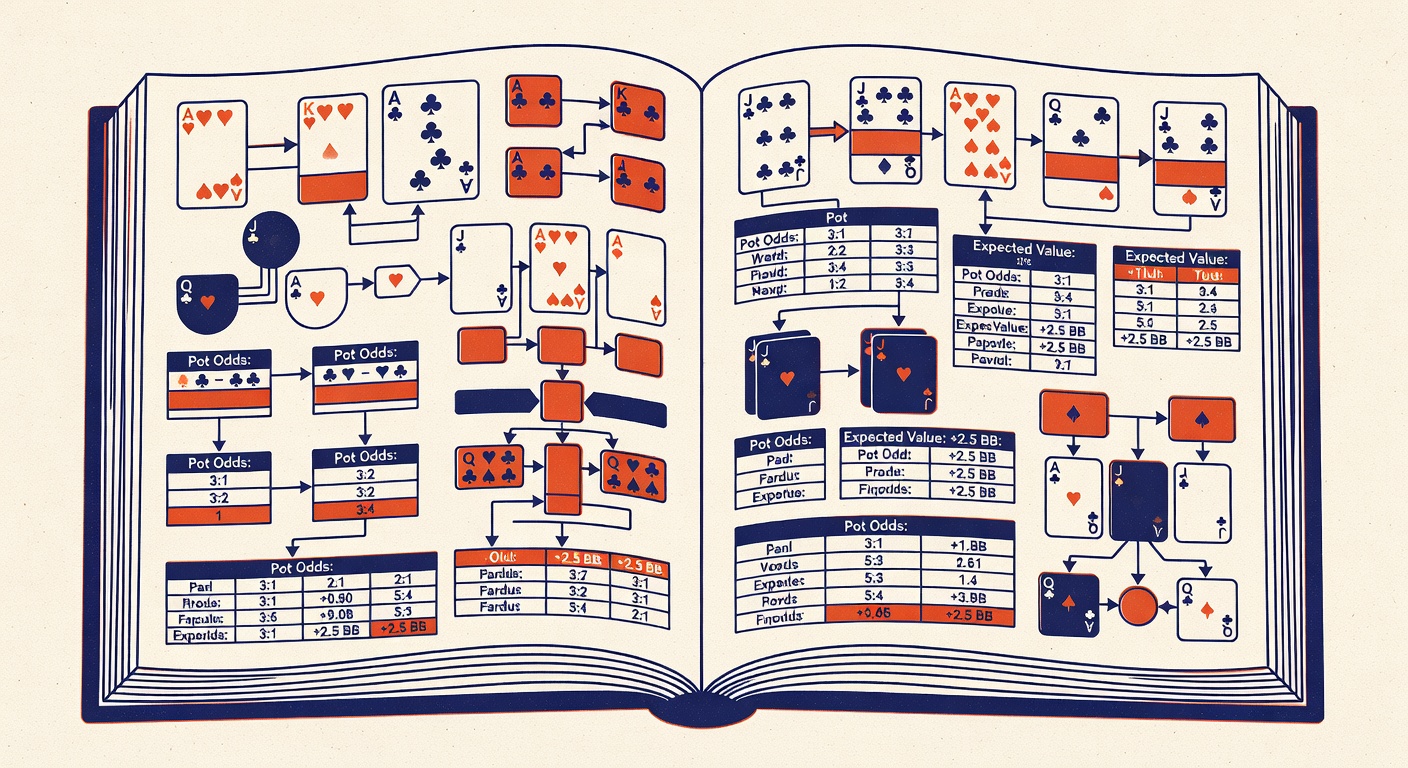
You calculate ranges. If you have K-J, can you push? What is the probability your opponent folds versus calls? What is your equity if called?
The player who understands these calculations wins more endgame pots.
The Psychological Element
Heads-up poker is confrontation. Your opponent sees every decision you make.
If you fold too much, they will attack. If you push too much, they will call light.
Balance is essential. You want your opponent uncertain about your holdings.
The Bankroll Consideration
Heads-up sit-and-gos are high-variance. You can lose 50 percent of matches even if you are skilled.
A player should only play at stakes where losing the buy-in does not hurt financially.
If you are grinding $50 buy-in matches and you have a $500 bankroll, you are one bad week away from broke.
The Practice Approach
Heads-up poker is learned through repetition. You play matches, analyze your decisions, identify leaks.
A leak might be: you fold too much from the button. Or: you call too much when short-stacked.
Sealing leaks improves your win rate.
The Skills Required
Heads-up sit-and-go success requires:
- Mathematical understanding of ranges and equity
- Positional awareness and button play
- Psychological strength (handling losses)
- Bankroll discipline
Without all four, you will lose money.
The Hard Truth
Heads-up poker is grinding. It is not exciting. It is not glamorous.
You play match after match. You win some. You lose some. Over time, a skilled player wins more than they lose.
But there is no moment of glory. No big hand story. Just the slow accumulation of winning sit-and-goes.
The Sermon
If you come to heads-up poker expecting to win through luck, you will lose.
If you come understanding it as a battle of skill and discipline, you might win.
The difference is whether you respect the game or assume you can beat it.
Respect the game.