In this entry3 parts
I worked the roulette pits in Vegas from 1982 to 2011. Same age every night just about. Twenty-five years old, first time away from home, daddy's savings in their pocket. They would hit the roulette wheel at 10pm and lose it all by midnight. Different names. Same story.
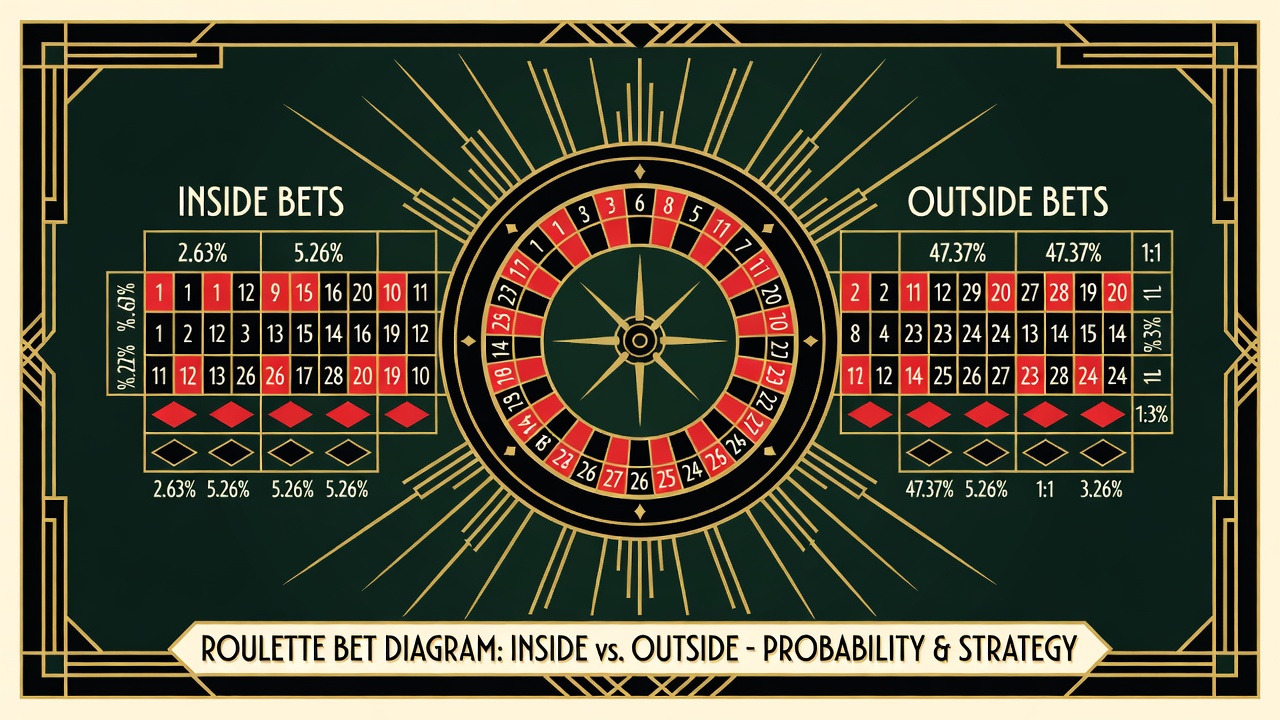
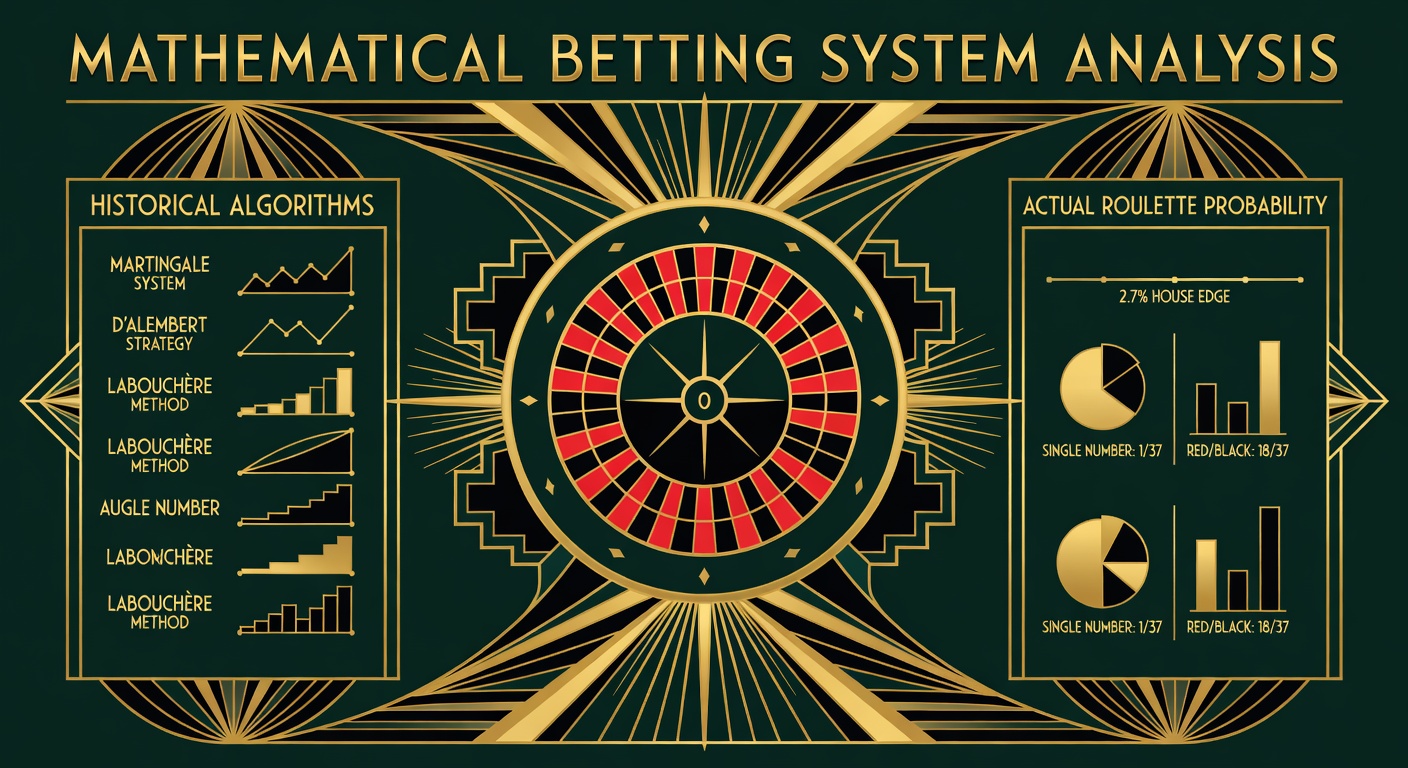
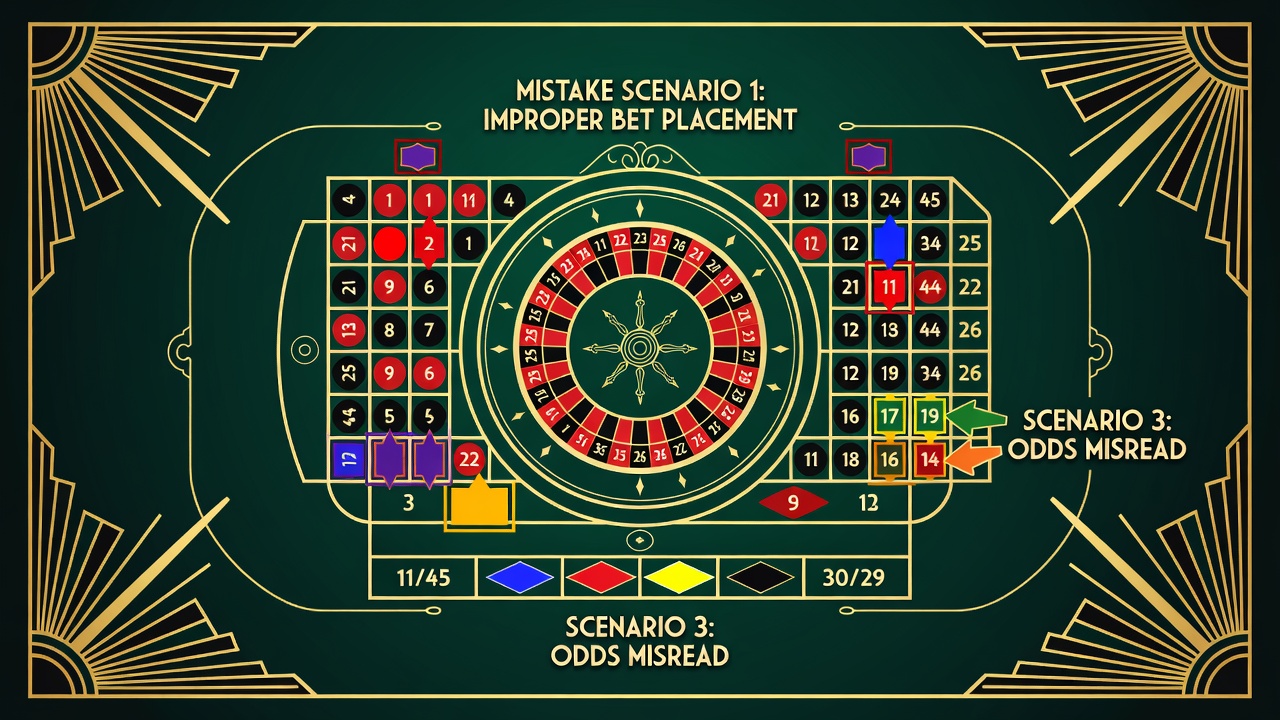
The first mistake was always the system. They'd studied something online. Martingale, Fibonacci, red-black patterns, the whole catalogue. They'd tested it on paper for six weeks. Here's what they never grasped: roulette is a negative-expectation game. The house edge is 2.7% on European wheels, 5.26% on American wheels. No system survives long-term play against those odds. Yet every night, someone would explain their betting progression like they'd invented physics. They hadn't. They'd just never lost a thousand dollars before.
The Second Mistake Was Fastness
New players bet fast. They see the wheel spin in forty seconds, they think speed creates opportunity. It doesn't. Speed creates money leaving your stack. A seasoned player will place five bets in an hour and think hard about each one. A rookie places five bets per spin and thinks about none of them. They're chasing variance instead of managing it.
One night I watched a kid in a Polo shirt place bets on every number on the table. Hedging everything. Covering his bets with his bets. The dealer spun, a number landed, the kid broke even on that spin, then lost money on the next one because the cost of covering everything was higher than any single number paid. He'd read about "bankroll management" on someone's website and concluded that betting everything simultaneously counted as management. It didn't.
The Third Mistake Was Emotion
A player loses $300. Now they're not playing roulette anymore. They're trying to recoup. That's a entirely different game, and it's played worse. They double their bets. They chase patterns that don't exist. They convince themselves the wheel is hot, the wheel is cold, their luck is turning. I've seen players sit at a table for sixteen hours straight because they were "this close" to a winning streak. They never got there. What they got was tired.
The eye-in-the-sky caught a girl in a wedding dress at 4am, tears running, playing red on every spin because she'd started with red and she was going to leave a winner. She left having lost her wedding gifts. Nobody thinks they're that girl. They're all that girl.
The Others
Fourth mistake: believing the croupier gives a shit. He doesn't. He's neutral. He spins, numbers land, money moves. He's an engine. Treating him like an ally gets you nowhere. Treating him like an adversary gets you nowhere louder.
Fifth mistake: the "one more spin" calculation. A player is down $200 but thinks one more large bet could bring them back. The math on that is simple: the wheel has to land in their favor. Probability says it probably won't. They play the spin anyway. It doesn't work. They play another one, harder, to fix the first one. That's how you go from $200 down to $1,200 down in eight minutes.
The cleanest roulette players I ever saw weren't the ones who won the most. They were the ones who walked. They'd play a disciplined session, hit their limit, and left. Some won, some lost, but they left intact. Mentally intact. Financially recoverable. The broken ones always stayed for that one last spin.