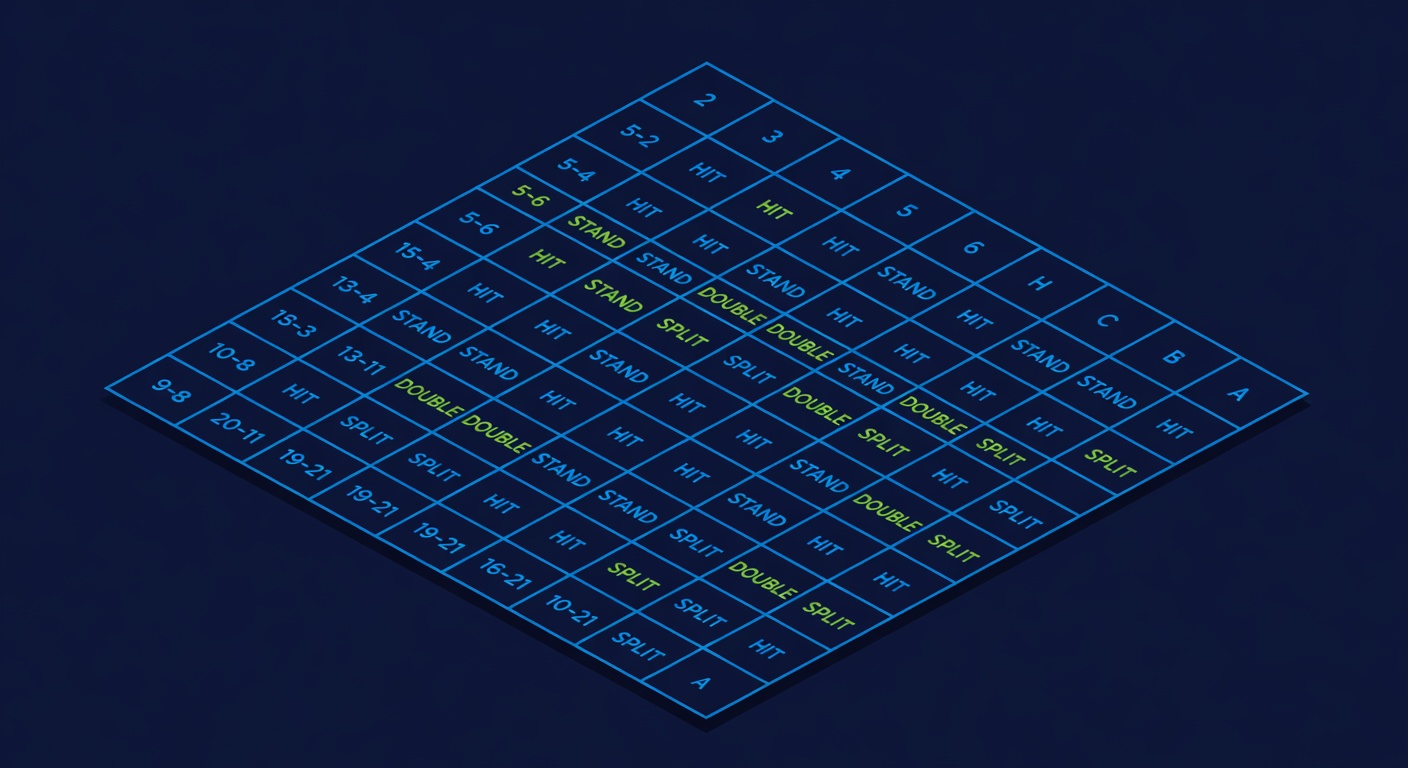
I came to the roulette pit a long time ago, looking for angles. The cards were the first place I looked. There was a thing called shuffle tracking. A man would watch a dealer cut a deck and follow a slug of cards through the shuffle. If he was good at it, he would know where premium cards would land.
Perfect information beats probability every time.
How It Works
A blackjack deck has 52 cards. Aces and face cards are premium. You want to know where those cards will land after the shuffle.
The dealer shuffles. As they shuffle, you watch specific card sequences. You track where they go. If a sequence of Aces gets shuffled to the top, you want to know that.
Then you bet. You increase your bet when the Aces are coming. You decrease when they are gone.
This gives you an edge. Not a huge edge. Maybe 2-3 percent. But edge is edge.
The Vulnerability
Shuffle tracking relies on two things. One: the dealer shuffles in a predictable pattern. Two: you have enough skill to track the cards through the shuffle.
Most dealers shuffle the same way every time. Riffles in the same order. The same number of cuts. If you sit at the table long enough, you learn the pattern.
A professional tracker studies the pattern. They watch the shuffle 200 times if they have to. They understand it completely.
Then they begin betting based on what they know is coming.
The Countermeasure
Casinos figured this out in the 1990s. They response was simple: randomize the shuffle.
Modern casinos use automatic shufflers. A dealer does not shuffle anymore. The shuffler does. The shuffler uses random algorithms. The pattern changes every shuffle.
Without a pattern, you cannot track. Without tracking, you have no information.
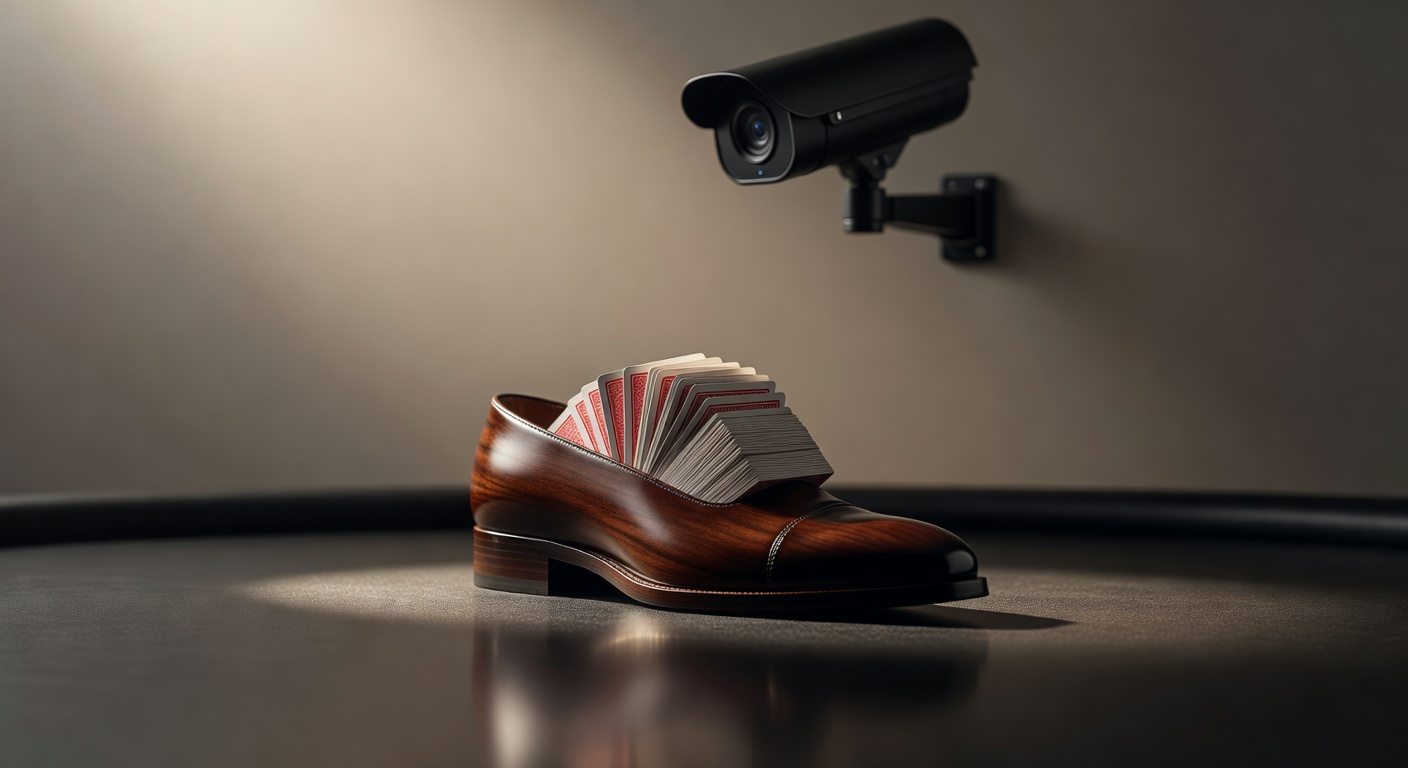
The second countermeasure: constant surveillance. A dealer working with a card counter gives itself away. The dealer follows the counter's betting patterns. When the counter bets heavy, it is because they know something. The surveillance team watches and recognizes the tells.
Is It Still Possible?
In a legal casino with automatic shufflers and surveillance? No. Not in any meaningful way.
The information has been locked down. The shuffle is random. The dealer cannot communicate with you without the entire system noticing.
A player might get lucky on a single shuffle. Human shufflers still exist in some places. But building a sustained edge through shuffle tracking is gone. The casinos won.
What Remains
Shuffle tracking survives as technique, not as practical play. Blackjack books teach it because it illustrates a principle: if you have information, you have value.
For a player sitting at a table today, the only shuffle-tracking information that matters is the penetration: how deep into the shoe does the dealer go before reshuffling. That is visible without special skill.
A dealer who cuts the shoe at 70 percent penetration gives you more information about what is coming than a dealer who cuts at 30 percent. But this is not shuffle tracking. This is just reading the remaining cards.
The Principle Still Stands
The reason this matters is the principle underneath. Card counting, shuffle tracking, and wheel bias in roulette all work on the same logic: gather information the other player does not have, then use that information to shift the odds in your favor.
Information asymmetry creates edge.
Modern casinos understood this. They spent decades eliminating information asymmetry. They randomized shuffles. They cut deeper. They spread games across multiple decks.
The man tracking cards in the 1980s was riding a dying skill. By the 2000s, the edge was gone.
Shuffle tracking is not impossible. It is just impossible when the dealer is a machine and the surveillance is perfect.