I've played three million hands of online poker, give or take. Tables where I knew every regular, their ranges, their tendencies, their terrible habits. Tight-aggressive Swedish guy with a limp-call problem. American girl who'd lost a quarter million and played like she had nothing to lose anymore (because she didn't). A Londoner who couldn't fold pocket eights if his life depended on it.
You knew these people. Not personally. Not their actual names. But you knew them at the table.
Then the poker sites introduced anonymous tables. No names. No history. You sit down, you see a number, six digits, nobody knows who's behind it. Some sites took it further: no seat history, no player list, randomised seating. Every hand is played against unknowns.
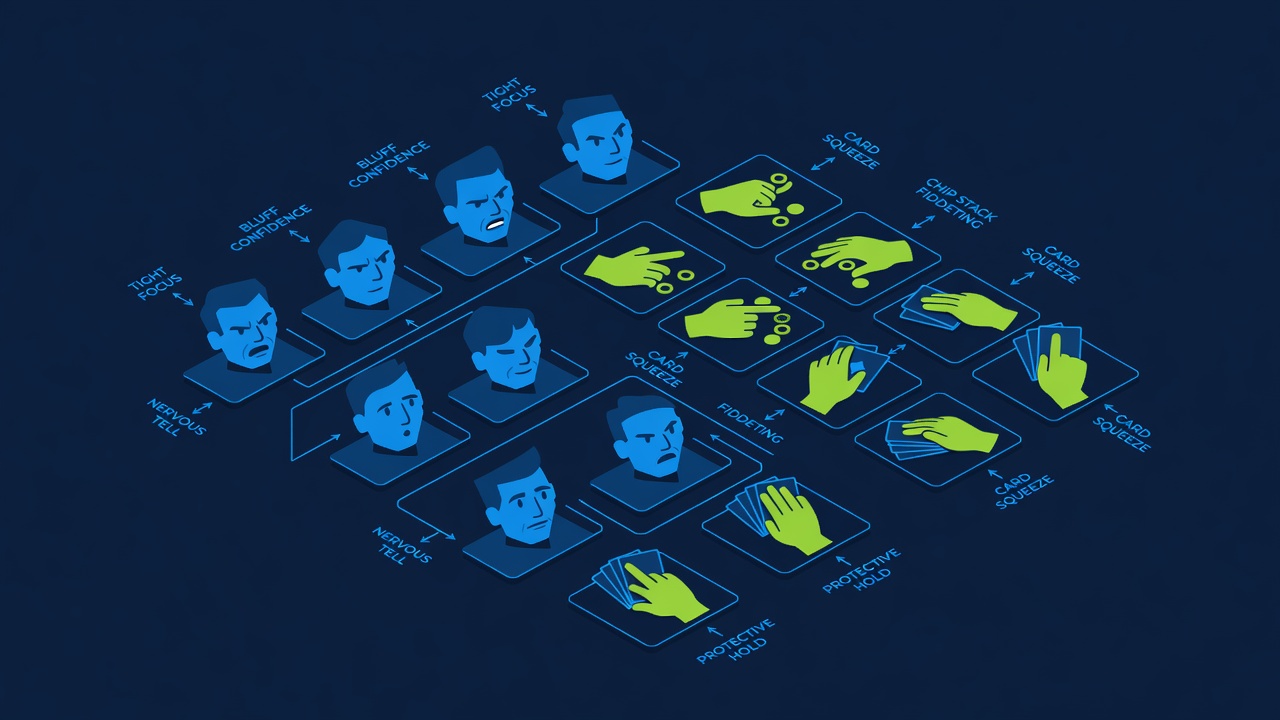
The theory of poker collapsed. Tight-aggressive strategy assumes you can identify patterns. You watch the player to your left over a hundred hands and notice she raises sixty percent of her buttons. You adjust. You call wider on the button because she's loose. You fold marginal hands when she raises because she's actually strong.
Anonymous tables destroyed this. You cannot build a model of a player when every session is a new crowd.
What Happened to Game Quality
The strongest players left. They couldn't win. Their edge came from reading the table, exploiting patterns. Without table reads, they were playing a coin flip against everyone else. They moved to live games, or to poker sites that still showed names.
The worst players flooded in. Anonymity removes social cost. You can play badly and disappear. You can chase losses and never see the same opponents again. The table became dominated by people who'd make decisions they wouldn't make if they had to sit across from the same players tomorrow.
Some poker sites saw this as a feature. More action. Bigger pots. People chasing losses at a faster clip because they don't care what a stranger thinks.
Game theory poker replaced table-reading poker. If you don't know anything about your opponents, you play balanced ranges. You fold your worst hands, play your medium hands, raise your best hands, at specific frequencies. It's mechanical. It's sound. It's also slower. Action dries up. Tables break.
The irony: anonymous tables were supposed to protect the amateur. Protect them from being exploited by regulars. Instead, it created a game where the amateur has zero advantage, where they cannot apply what they've learned, where every decision is GTO rock-paper-scissors.
You can play perfect poker and still lose money. That was always true. But you could win by playing better than everyone else, not perfectly. Anonymous poker eliminated the second path.
Some players adapted. Some left. The sites that went all-in on anonymous play found themselves hosting fewer total games. You need a critical mass of players to keep a table running. Anonymous poker was less fun for the casual player and less profitable for the grinder. It satisfied almost nobody.
Pokerstars walked it back. Removed the feature. Your name came back. The regular faces returned. Action slowly rebuilt. The lesson sank in: poker requires friction, reputation, consequence. Remove those and you don't get a purer game. You get a broken one.