A casino is a machine for creating specific human experiences. The carpet is red to stimulate. The ceiling is low to create intimacy. The slot machines are placed to funnel foot traffic. Every element is chosen.
Live dealer games evolved from transplanting real casinos online to designing new experiences that could not exist in physical space.
The Evolution
In 2005, live dealer blackjack was a single camera pointing at a table. The player could see the dealer and the cards. It was a direct reproduction of the brick-and-mortar experience.
Evolution Gaming improved the interface but kept the camera stationary for years. Then split-screen was introduced. One camera on the dealer. One camera showing the cards. A player could select which view they preferred.
Better was not enough. The next step was designed reality.
Modern Live Dealer Architecture
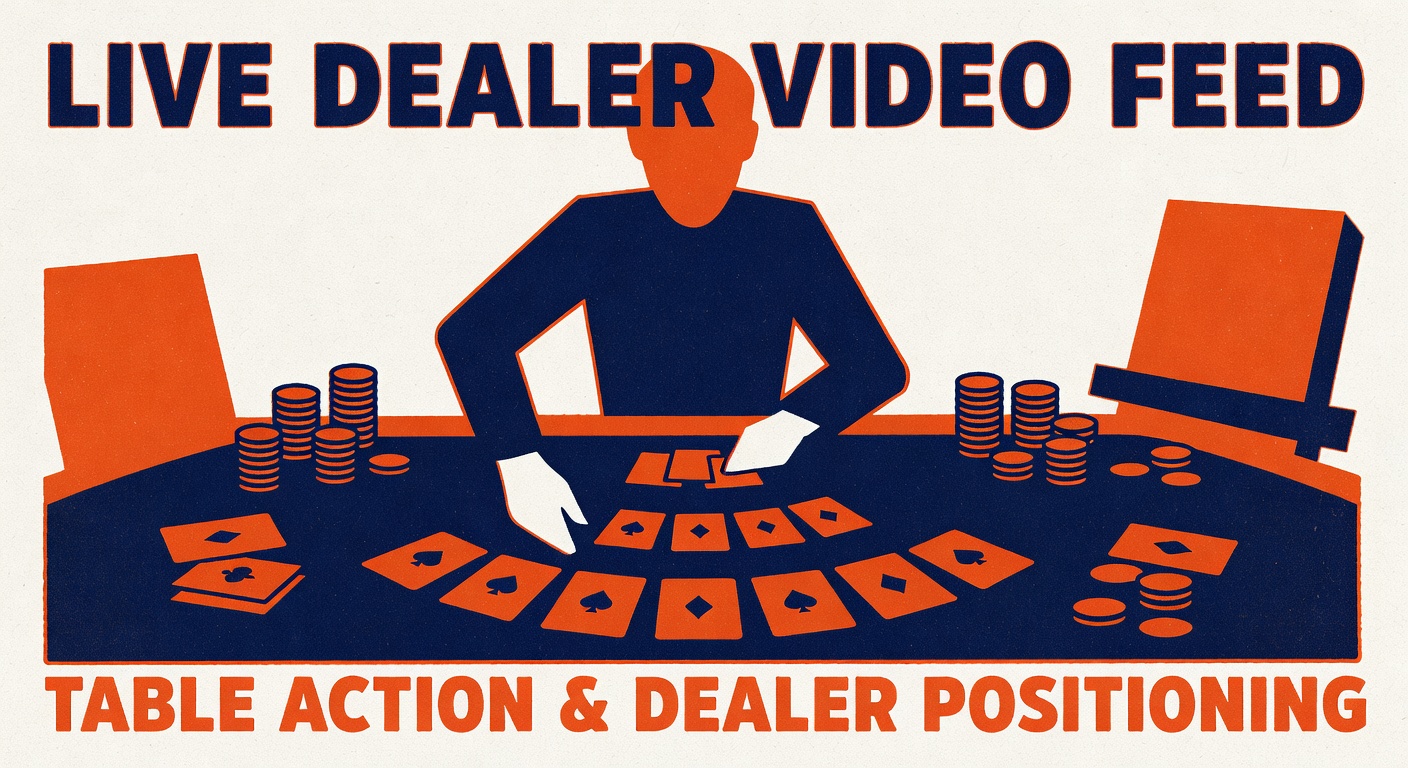
A modern live dealer room (like Evolution's studios in Riga or Malta) uses multiple cameras simultaneously. Dealer camera. Overhead camera. Close-up card camera. The broadcast synthesizes these into a single experience.
But the newest games introduce augmented reality. A live blackjack table now has digital overlays. Card values appear on the screen. Dealer tells flash in real-time. Probability percentages for different plays appear.
This never existed in a physical casino. A player sitting at a real blackjack table does not see the house edge or the probability of busting.
Dealer Personality Design
The oldest live dealer games had dealers who were quiet and efficient. Shuffle, deal, pay.
Modern games feature hosts and dealers with distinct personalities. Crazy Time features a host named "Dream Catcher" who celebrates wins dramatically. The host is a designed character, not just a dealer.
Monopoly Live features the dealer in costume (literally dressed as a Monopoly character). The table is themed. The entire experience is constructed.
Why This Shift
A live table competes with RNG tables on the same game. Blackjack is blackjack. The rules are identical. The house edge is identical.
The only way to differentiate live blackjack from RNG blackjack is through experience. Personality. Visual design. Pacing.
So operators began designing the experience.
The Sightline Principle
Physical casino design uses sightlines to guide traffic. A roulette wheel is placed at the end of a corridor so customers see it and are drawn to it. The ceiling height changes above the poker room so it feels separate from the slots.
Live dealer game design uses the same principle but digitally. A close-up of a big win is displayed prominently. The dealer's reaction is captured to show emotion. A timer counts down to the next spin.
Every visual choice is engineered to maintain engagement.
The Session Length Question
Physical casinos manage session length through physical exhaustion. You stand at a slot machine for 8 hours. Eventually, you get tired. You leave.
Online, there is no physical constraint. A player can sit for 20 hours without leaving their chair.
Live dealer games manage session length through experience degradation. A game that is exciting for 30 minutes becomes boring at 90 minutes if the visual design does not escalate.
Modern games introduce escalation. Long dry spells are interrupted by bonus rounds. Personality moments break the rhythm. Multipliers appear unexpectedly.
The Compared-to-Slots Question
Slots have fixed volatility. High volatility slots have big dry spells followed by sudden wins. Low volatility slots have frequent small wins.
Live dealer games have controllable volatility (from the broadcast side). A operator can pace a game slower or faster by controlling dealer speed, bonus frequency, or payout announcements.
This allows operators to adapt the experience to player behavior in real-time. If players are leaving, introduce a bonus. If they are staying, maintain pace.
The Future Design
The newest designs are experimenting with player agency. Some games allow players to choose outcomes of bonus rounds. A player might select which of three paths a roulette wheel takes. They do not control the outcome, but the choice creates perceived agency.
Other games are introducing leaderboards. Live games now show which players are winning the most in real-time. This gamifies the experience. Winning is no longer private. It is competitive.
The Ethical Question
Designing for engagement is ethically neutral. A museum designs for engagement. A movie theater designs for engagement.
Designing for engagement specifically to extend session length and increase losses is less neutral.
Most modern live dealer games do both. They are more entertaining than old games. They are also more likely to keep a player playing longer.
Operators will say they are improving the product. This is true. Players will lose money at a slower rate per hour because the session is longer, not because the house edge is lower.
The Sightline Legacy
Physical casinos were designed by people who understood architecture. The best casinos (the Bellagio, the Aria) are genuinely beautiful. The design serves the game and the building serves the player.
Live dealer games are designed by people who understand interaction design and game pacing. The best ones (Crazy Time, Monopoly Live) are genuinely engaging.
Both achieve their purpose. The purpose is not neutral.
Wings for this entry