I used to research gambling history as part of my recovery. I wanted to understand the structure, the philosophy, the precedent. The Ridotto was the place I kept coming back to.
Venice in the 1630s was in decline. The Ottomans controlled the Mediterranean. The trade routes that had made Venice wealthy for four centuries were collapsing. The Venetian government needed revenue. In 1638, the Council of Ten authorized the opening of the Ridotto, a small building near St. Mark's Basilica, to be used as a gambling house during the Carnival season.
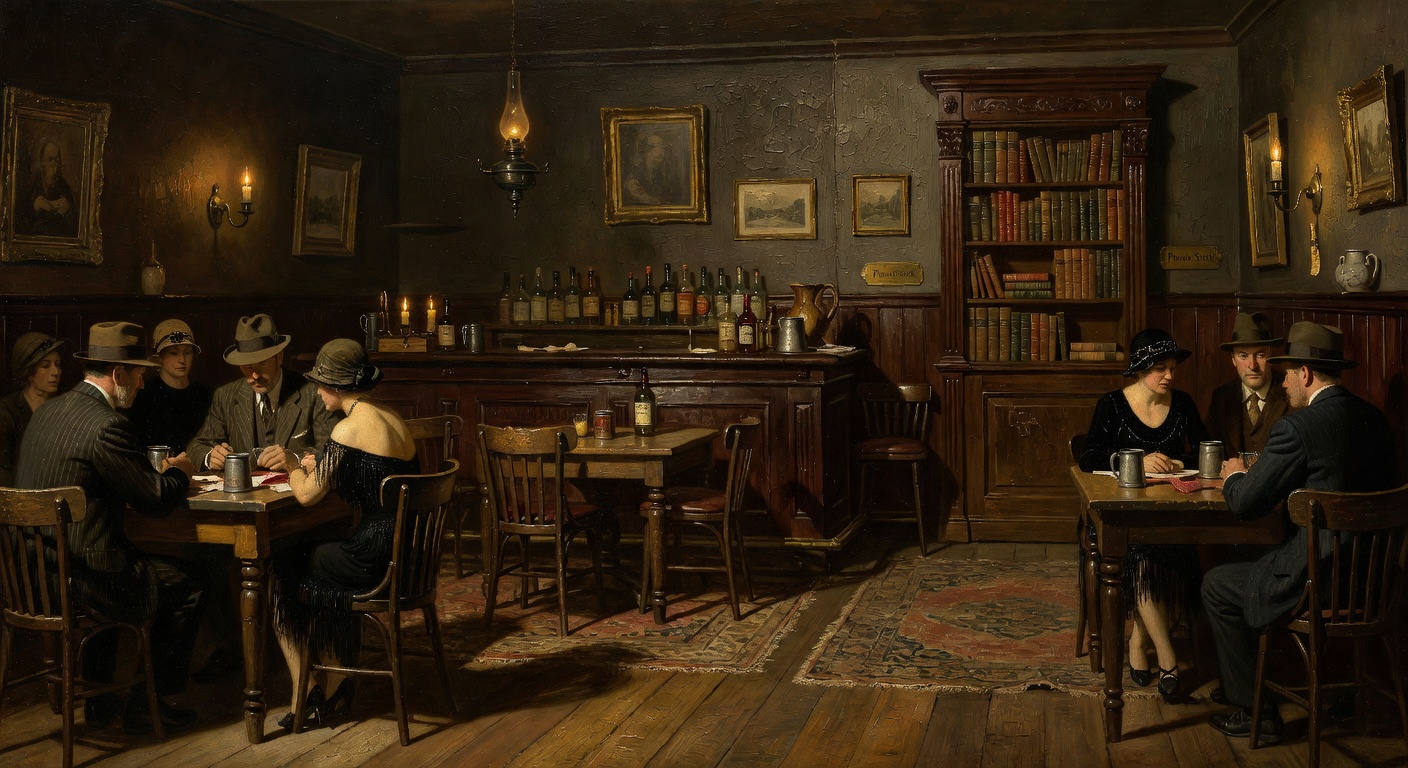
The Ridotto had strict rules. Women were not permitted. Masks were required, which allowed people to gamble without being identified by their social class or profession. The stakes were set by the house. The games were faro, bassetta, and dice. The house took a percentage of each pot. The government received a percentage of the house take. For the first time in European history, gambling was legal, regulated, and profitable to the state.
What fascinated me as a recovering gambler was not the innovation, but the justification. The Venetian government argued that legalizing gambling would reduce illegal gambling, control cheating, and generate revenue. They were right on all three counts. The Ridotto drew a large number of people. Crime around illegal gambling houses fell. The revenue was significant.
But the Ridotto also revealed something darker. Within fifty years, the Ridotto was the primary destination for the city's wealthy young men. Fortunes were lost nightly. The social cost was substantial. Families were ruined. In 1774, the Ridotto was closed. The government had decided that the social cost exceeded the revenue benefit.
The Pattern Repeats
I noticed, reading this as a recovering gambler, that the Ridotto's trajectory repeats. The innovation (legalization) is sold as problem-solving (reducing illegal gambling). The revenue is real. But the social cost accrues gradually until it becomes visible. Then there is a reckon ing.
Las Vegas followed this trajectory. Atlantic City followed this trajectory. Online gambling is following it now. The pattern is: legalize, generate revenue, celebrate success, watch social costs accumulate, eventually address those costs.
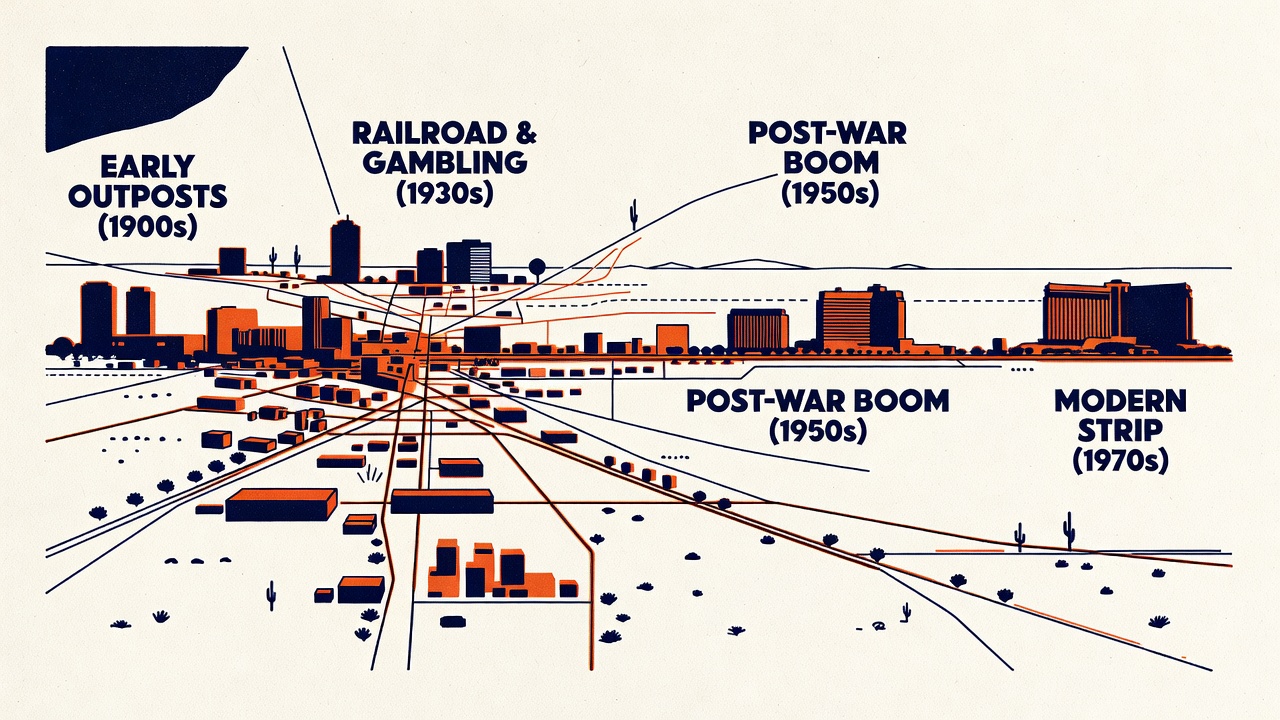
The Ridotto was closed in 1774, but the precedent remained. Governments knew that gambling could be legalized, regulated, and profitable. Over the next 250 years, casinos spread across Europe, South America, and Asia. Las Vegas was founded in 1905 as a legal gambling oasis, following the Venetian principle that legalization provides control.
What I learned as a recovering gambler is that legalization does not eliminate the harms of gambling. It manages the harms differently. Illegal gambling has corruption, untracked abuse, and no consumer protections. Legal gambling has transparency, regulation, and (theoretically) consumer protections. But it also has normalization. When gambling is legal and visible, it becomes part of the culture. Children grow up with casinos as ordinary. Advertising for gambling is everywhere. The activity that was once shameful becomes respectable.
The Ridotto closed because Venice's social fabric degraded to a point where the government could not ignore it. The wealthy young men who were losing fortunes were connected to influential families. The damage became political. The Ridotto was shut down not because anyone discovered gambling was harmful, but because the harm had reached people with power.
As a recovering gambler, what interests me is not whether gambling should be legal. I think legalization with strong consumer protections is reasonable. What interests me is whether societies can regulate gambling without normalizing it, without making it seem inevitable that humans will gamble, and without structuring the entire thing as a revenue source for government.
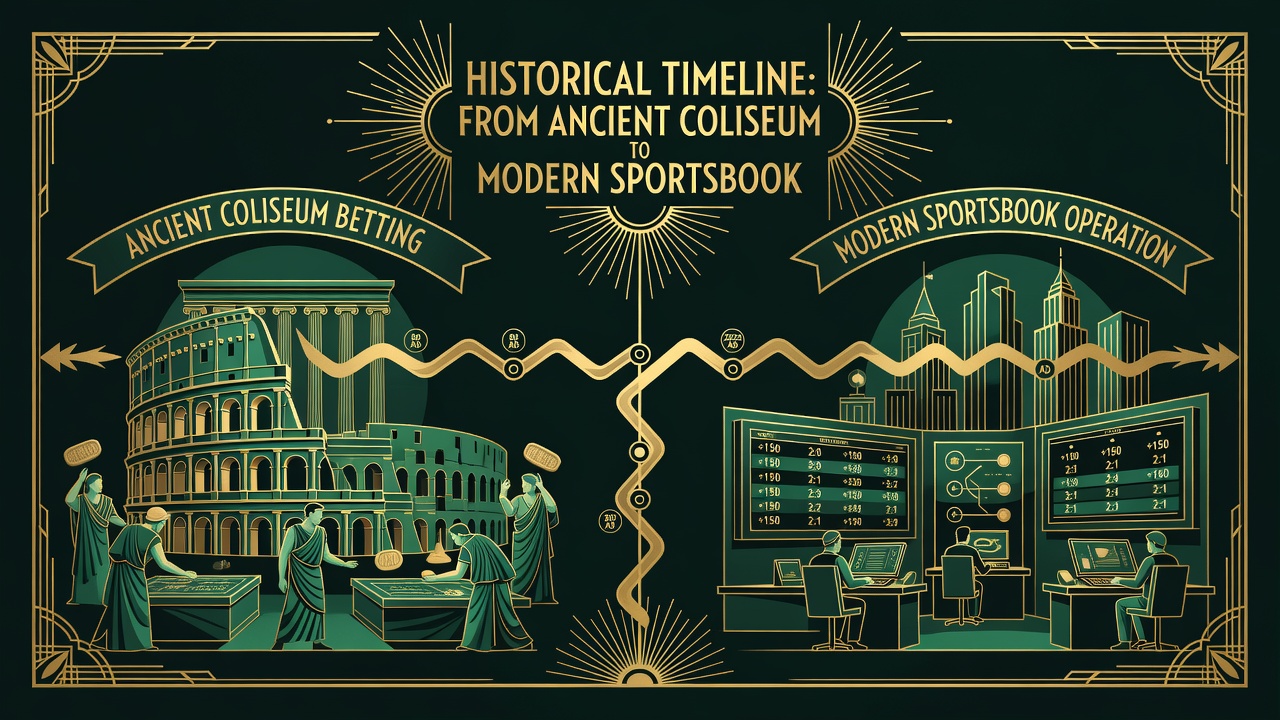
The Ridotto was the world's first legal casino. It worked as intended for a period, then it did not. The government closed it. Later, the government opened casinos again in different cities. The cycle continued. What the Ridotto teaches is that legalization is not a solution. It is a choice about how to manage a persistent human behavior. That choice comes with tradeoffs, and those tradeoffs are not always visible until the harm is distributed widely enough to become undeniable.
Wings for this entry