So I'm sitting in this card room in Atlantic City, 1995, and this old guy next to me orders a Budweiser and says, "You know what nobody plays anymore? Seven-Card Stud." He was right, but that was the whole point of the place. Seven-Card Stud was fading, had been fading since Texas Hold'em exploded on ESPN in 2003, but some of us kept showing up anyway because the game teaches what Hold'em never does: how to think in four dimensions instead of two.
Stud starts simple. Three cards stay hidden from other players, one goes face-up. That exposed card, your "door card," determines how aggressive everyone becomes in the initial round. Everyone sits around the table, and the player with the lowest door card must post a small forced wager called the bring-in. You fold, call the bring-in, or raise. Then everybody gets another card, exposed. Then another. Then another. Then one final face-down. Then everyone bets. Then you reveal the five best cards from your seven.
The mechanics are mechanical. Fifth street, sixth street, seventh street. Each round brings a new card and a new betting cycle. On fifth street the bet size doubles. Everyone still active shows more cards. By sixth street, you can usually determine who holds what because you have witnessed so many cards.
This is where the game destroys most players' minds.
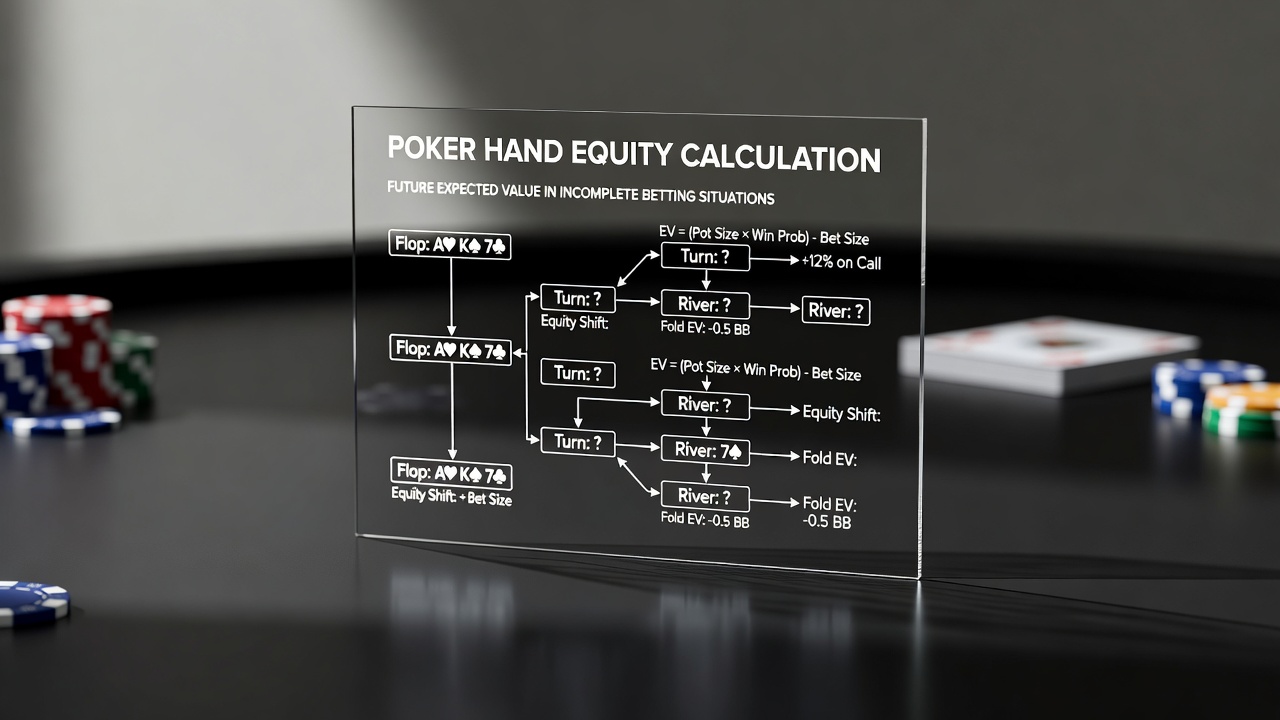
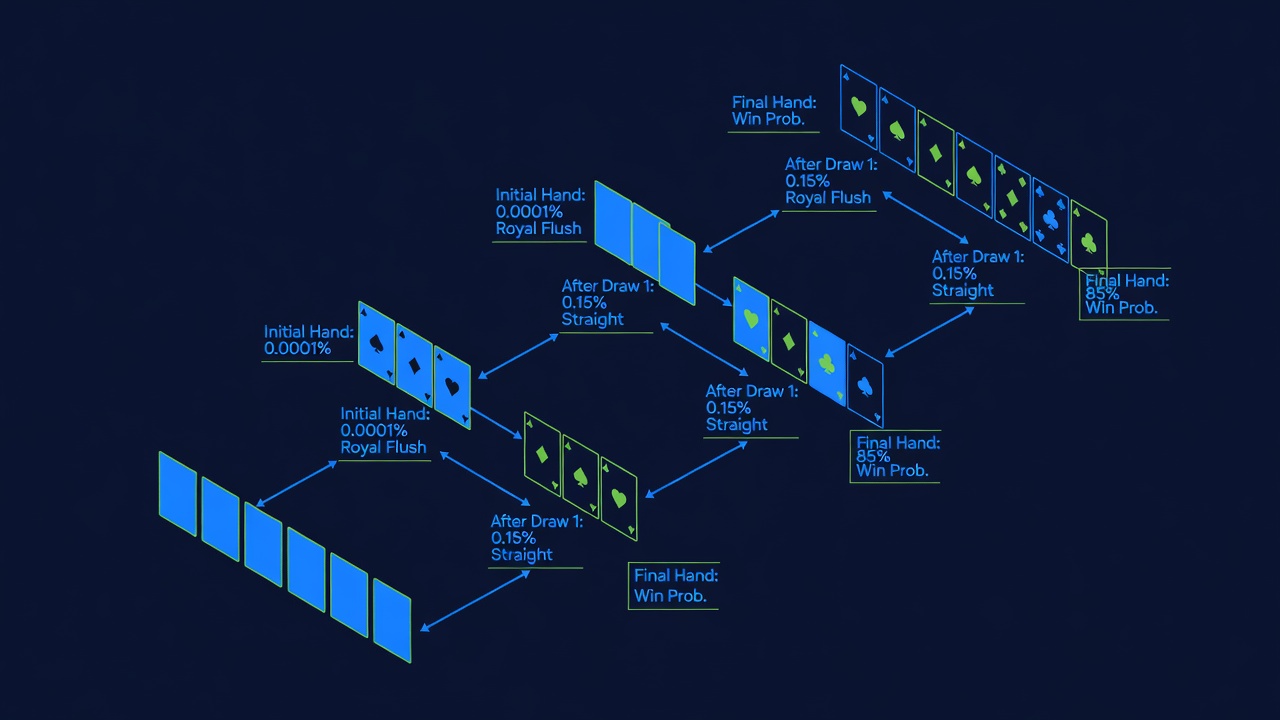
In Hold'em, you finalize what you have on the river. You made a pair, you connected on a straight, you got nothing. The picture is total. In Stud, completion never arrives. You might be drawing to a hidden pair. Your opponent might be chasing a straight that is not showing. Assessment continues through incomplete data forever. This trains discipline in ways Hold'em does not.
The Basic Strategy That Separates Winners From Everyone Else
Discard most holdings before fourth street. This is the entire approach. If you lack at minimum a pair, or three cards toward a straight or flush, you discard on third street. The error every newcomer makes is believing they can outdraw someone with a made hand. They cannot. Stud is about strength that persists.
Bring-in slots are thieving opportunities. The player forced to bring it in typically has nothing and is just surviving. If you sit behind the bring-in, you can steal almost everything. Raise with queen-high if nobody else displays cards. You will capture it right there.
High-card boards warrant folding. If you bring in with a 2-3 and the guy beside you shows a 10-J, he is absolutely crushing you. Discard. Better spots will arrive.
Fifth street marks a turning point. By then you have five exposed cards if you are still up against one opponent. If nothing has connected or if no draw is apparent by fifth street, you discard. Do not become attached. The cost of watching sixth street is seldom justified if you are trailing.
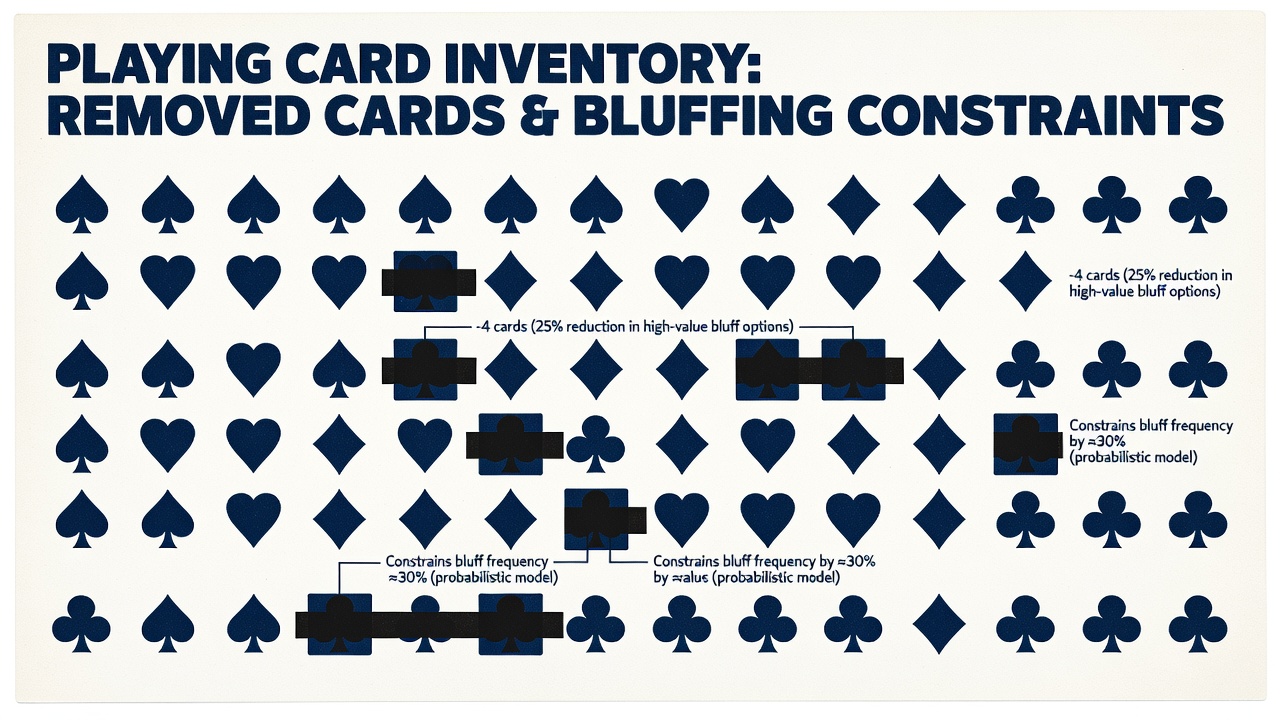
Opponents' exposed cards become your information. If you have three hearts and four hearts have vanished, you cannot make a flush. This seems obvious, yet beginners get shocked repeatedly. Count. Stud is bookkeeping, not luck.
Buried pairs are the concealed advantage. When you have a pair underneath and your visible card ranks low, opponents assume you are drawing. You possess a made hand instead. You can attack aggressively and they will throw away holdings that are actually ahead. This is the edge in Stud; the hidden pair represents a perpetual threat in every pot.
I played this opponent who had a seven buried and displayed 2-4-8-9. He had called three bets on third street for reasons I will never understand. On fifth street another seven appeared in his row of cards. I threw away a queen-high flush draw because I recognized the pair. That is Stud poker. You take the facts at hand to decide about futures you cannot predict.
One more item. Rake in Stud games is brutal because pots go to showdown frequently. Ante structure determines everything. In some facilities you pay an ante every dealing. In others you pay only when you are active. The ante structure establishes whether this game deserves your time. If the ante exceeds 10% of the bring-in, rake is the actual opponent, not the game.
Stud taught me that poker is not about the holdings. It is about grasping what cards will never arrive, and understanding that vacancy as clearly as you understand the presence of the holdings in front of you. Most people play Hold'em their entire existence without gaining that knowledge.