In this entry4 parts
The city at night has rules that nobody writes down. One of them is this: if you sit at a table long enough, something breaks inside you. The hours blur. Two drinks become six. A hundred dollars becomes nothing. The dealer watches. The casino watches. But nobody stops you until the system does.
Session timeouts are the mechanical version of that moment when someone should have told you to go home.
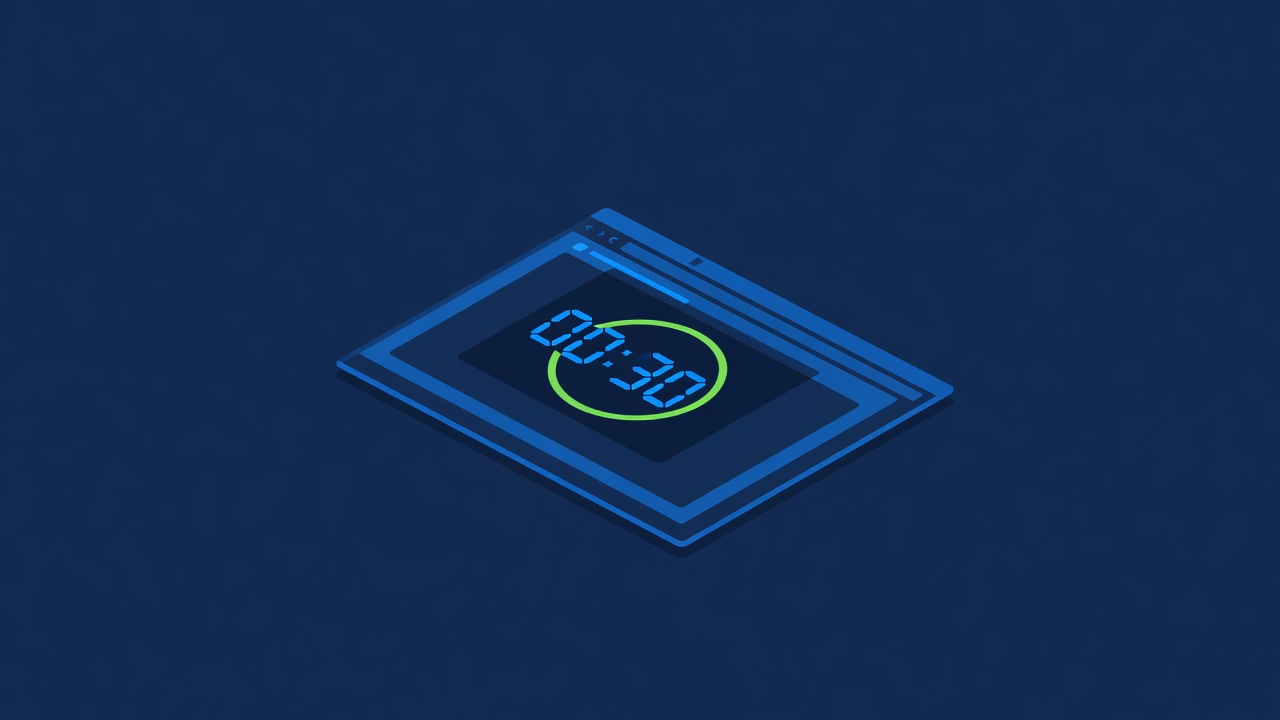
A player logs into an online casino. The session is active. The player plays. The session timer runs in the background, counting minutes. After thirty minutes of inactivity, the timer reaches zero. The session closes. The player must re-authenticate to continue.
This seems simple. It is not simple. The complexity lives in the edges.
How It Works
An inactive session is a session where no game state has changed. The player is not placing bets. The reel is not spinning. The hand is not being played. The timer restarts every time an action occurs: a bet, a spin, a hand selection. A player can play continuously for six hours without the session timing out, because the session never reaches inactivity.
The timeout is not designed to interrupt continuous play. It is designed to interrupt the walk-away moment. A player sits, plays, gets tired, steps away. They come back three hours later, phone still open, the session still active, and they pick up where they left off without thinking. The timeout interrupts this. The re-authentication creates friction. Friction creates the moment where you think.
Why It Matters
A player in a fragile state does not want to think. They want frictionlessness. They want the next spin to be available immediately. A session timeout forces them to log back in. That forced moment of re-entry is sometimes the moment they don't re-enter. They walk away.
One study examined casino session timeouts and found that players whose sessions had expired were 23 percent less likely to immediately resume play after re-authentication. The friction was enough. The moment of friction was the space where reason could enter.
This is protection, but it is passive protection. It does not prevent a player from re-authenticating immediately. It simply introduces a speed bump into a moment of vulnerability.
The Regulator's View
Licensed casinos are required by most regulators to have session timeout mechanisms. The UKGC requires them. The Malta Gaming Authority requires them. Regulators understand that prolonged sessions correlate with loss escalation. A player who plays for twelve hours straight has absorbed more negative expectation than a player who plays for three hours. A session timeout at least breaks the momentum.
The timeout is part of a larger toolkit of responsible gambling measures. It sits alongside deposit limits, loss limits, self-exclusion tools, and reality checks. None of these mechanisms are perfect. All of them are better than nothing.
The Player's View
Most players do not think about session timeouts until the moment they hit one. At that moment, they experience it as interruption. Friction. An inconvenience. Some players specifically choose casinos that have longer or no session timeouts, because they want to play continuously.
A player can adjust their own session timeout in most systems. A player can set a five-minute timeout if they want constant friction. Or they can set a twelve-hour timeout if they want to play in a single session. The choice is personal. The choice is also a choice to expose yourself to your own vulnerabilities or not.
The noir fact is this: the system is passive. It creates friction. Friction is not prevention. But sometimes friction is all that separates you from the person who stayed at the table one more hour than they meant to. The person who came back as the sun was rising, confused about what day it was. The system did not save them. But it could have. The session timeout is a tool that only works if you let it.