The distinction between wire transfers and automated clearing house (ACH) transfers is material to online gaming operators and their licensees. Each method carries separate regulatory requirements, compliance obligations, and operational costs. This document reviews both, with specific reference to licensing jurisdictions and payment law.
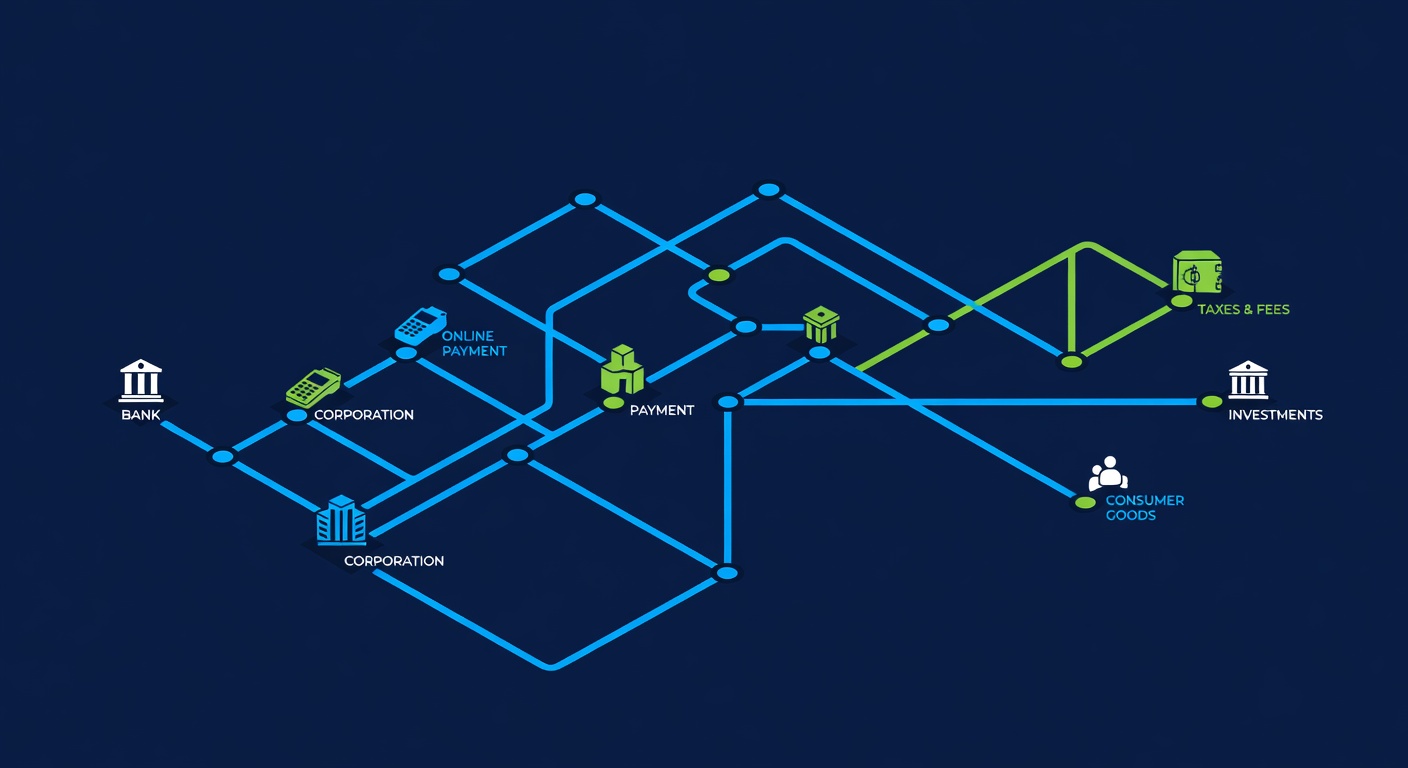
Wire transfers, formally electronic funds transfers (EFTs), are governed by Regulation E of the Electronic Fund Transfer Act, 15 U.S.C. Section 1693 et seq. Wire transfers move funds directly from one bank account to another via the Federal Reserve Wire Network (Fedwire) or the SWIFT network for international transfers. Transactions settle within hours. The transmitting and receiving banks are directly liable for accuracy and security.
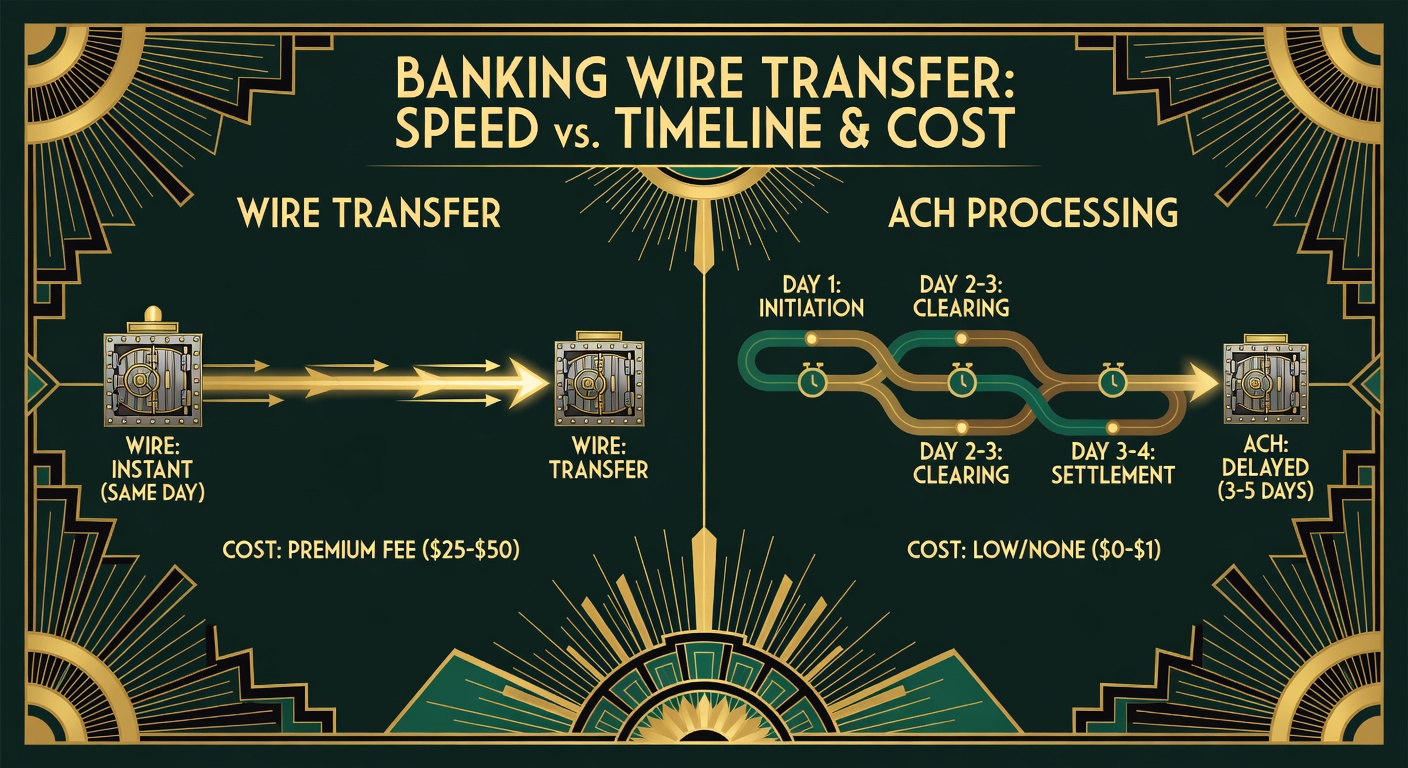
ACH transfers, by contrast, operate through the Automated Clearing House network, administered by NACHA (the National Automated Clearing House Association). ACH transactions batch and clear on a schedule: standard ACH processes settle within one to two business days. Next-day ACH is available at higher cost. Same-day ACH (offered by some processors since 2016) settles the same day but at premium rates.
Compliance and Regulatory Treatment
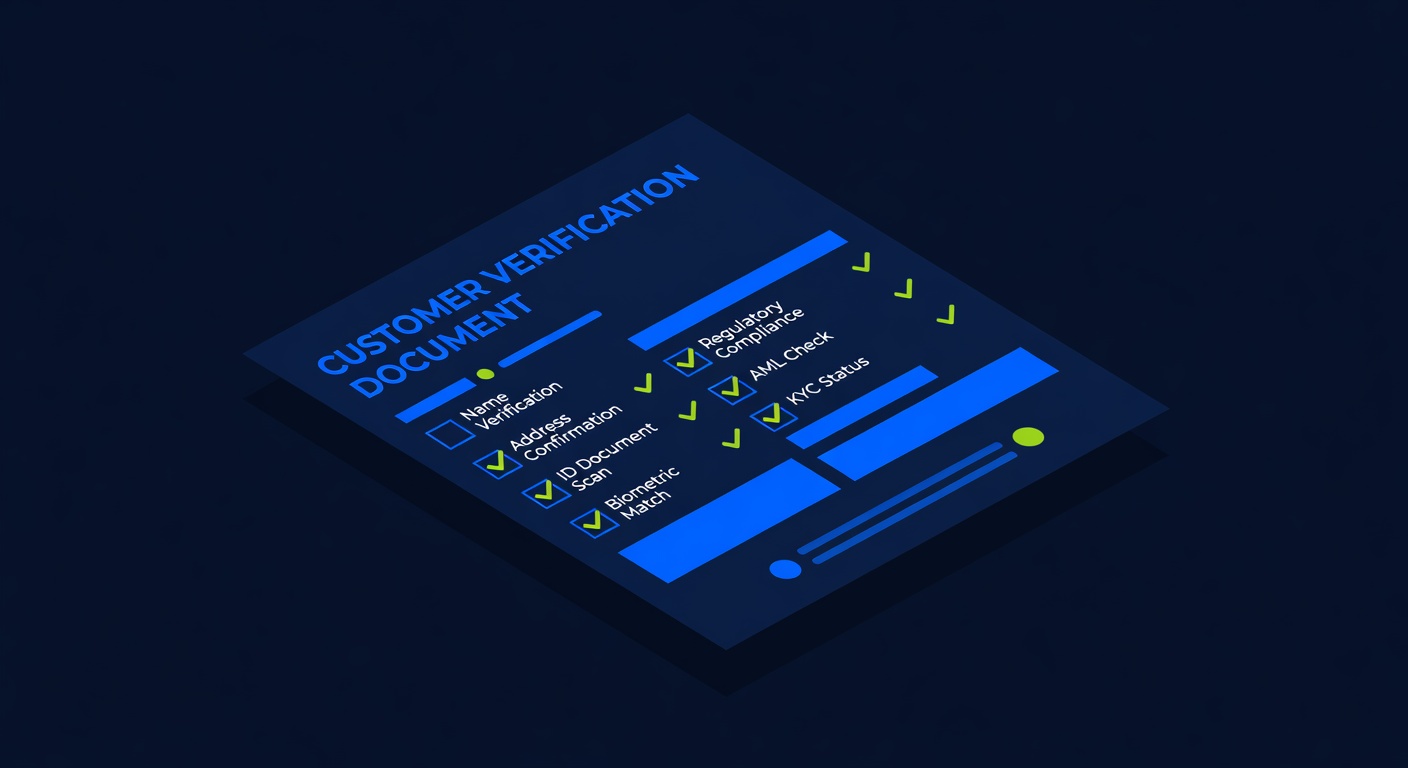
Under UIGEA (the Unlawful Internet Gambling Enforcement Act of 2006, 31 U.S.C. Section 5365), regulated operators are permitted to process payouts via both methods if the operator is licensed in a qualifying jurisdiction. The MGA (Malta Gaming Authority) permits wire and ACH payouts equally, provided the operator maintains records of the transaction, the payout date, the player account, and the destination. UKGC (United Kingdom Gambling Commission) similarly permits both methods.
State-level regulation in the United States (for operators licensed in jurisdictions like Nevada, New Jersey, Pennsylvania, Indiana, or Illinois) also permits both methods. However, state regulators often impose stricter settlement windows. Nevada regulators (under NAC 463) require payouts within 72 hours of withdrawal request. New Jersey (under N.J.A.C. 13:69E) requires 72 hours. Operators in these jurisdictions often use wire transfers for time compliance, as ACH standard clearing takes longer.
Cost Structure and Player Impact
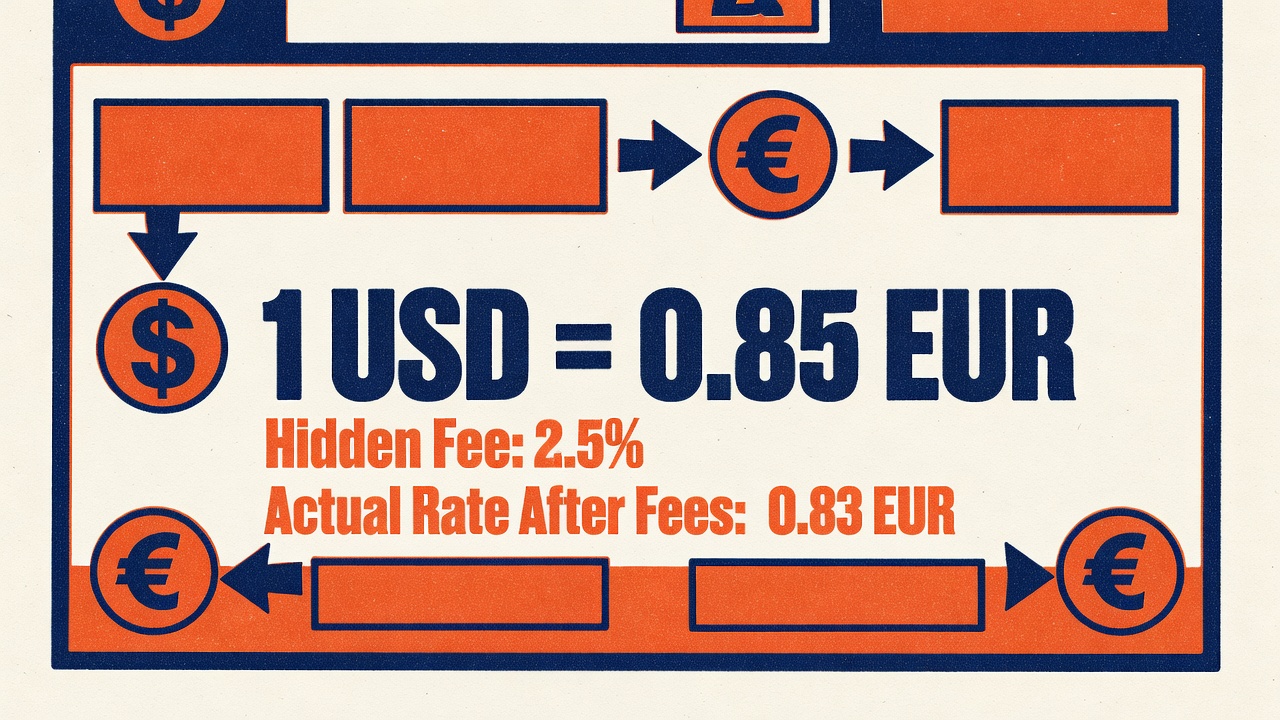
Wire transfers incur per-transaction fees ranging from $15 to $30 per outbound transfer, depending on the operator's bank and relationship. International wire transfers (from Curacao eGaming jurisdiction operators to players in the UK or EU) typically cost $25 to $50.
ACH transfers cost $0.25 to $1.50 per transaction, because they batch and clear through NACHA infrastructure rather than requiring individual bank-to-bank routing.
The operator's choice of method therefore has pricing implications. Operators in cost-sensitive markets (or offering low-margin sportsbooks) often default to ACH for domestic payouts, absorbing the slight delay in exchange for lower operational cost. Operators in premium segments (high-VIP tiers, international markets) use wire transfers to ensure speed and demonstrate operational excellence.
Settlement Windows and Operational Constraints
A wire transfer initiated on a business day before 2 p.m. ET typically settles by 5 p.m. the same day. A player in Pennsylvania requesting a payout Tuesday morning may receive funds in their personal bank account Wednesday morning (one day settlement plus bank processing).
ACH standard transfers, initiated Tuesday, batch Wednesday, clear Thursday. The player sees funds Friday morning at earliest. If the operator uses next-day ACH or same-day ACH, settlement improves, but cost per transaction rises to $1 to $3.
Operators holding state gaming licenses often use wire transfer exclusively for this reason: the regulatory requirement to pay within 72 hours is tighter than ACH clearing allows.
International Transfers and Cross-Border Considerations
For players outside the United States, wire transfers are the dominant method. SWIFT transfers (the standard for international wires) take two to five business days, depending on correspondent bank routing. Curacao eGaming-licensed operators universally offer wire transfers to players in Europe, Canada, and Asia.
ACH transfers do not apply internationally; only domestic U.S. transfers use ACH. An offshore operator therefore cannot offer ACH to a player in the UK. Wire (via SWIFT) is the only option.
Some newer platforms use stablecoin payouts (USDT or USDC on Ethereum or Polygon) to avoid both wire and ACH. These settle on-chain within minutes and cost the operator negligibly. However, the player must hold a crypto wallet and accept crypto volatility; traditional players do not prefer this.
Liability and Fraud Protections
Wire transfers, being sent directly, offer less consumer protection than ACH. If a player provides an incorrect account number on a wire, recovery is difficult; the wire is often irreversible. Regulation E provides some protections, but they are not as strong as ACH protections.
ACH transfers, under NACHA rules, offer an exception process (NACHA Disputed Transaction Exception, file 822). If a player claims an unauthorized ACH or an error, the receiving bank may reverse the transfer within one business day. This makes ACH slightly more player-friendly for error correction.
Operators licensed in the UK or Europe typically inform players of this distinction and allow players to choose their payout method.
Closing Operational Note
Operators in regulated jurisdictions (MGA, UKGC, state-licensed in the US) must offer both methods or clearly disclose which method is available and why. Cost transparency is a licensing requirement. Players should confirm their operator's payout method and settlement window before opening an account.
Wings for this entry