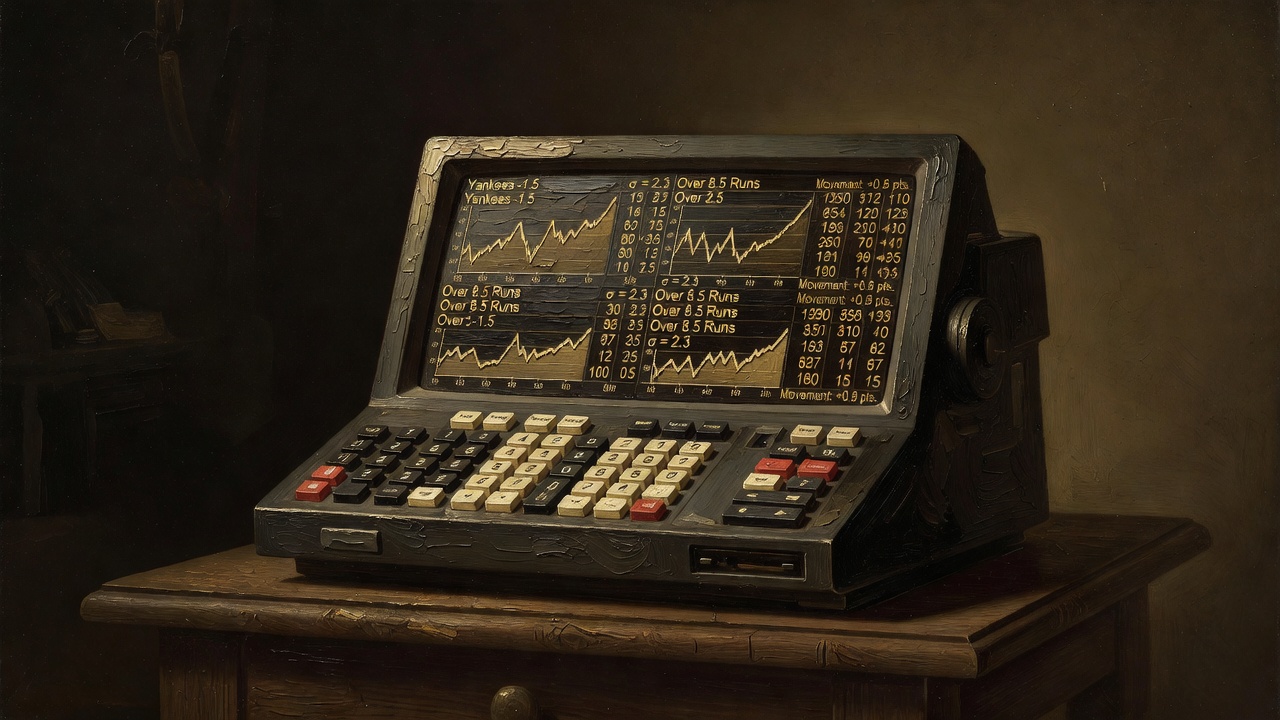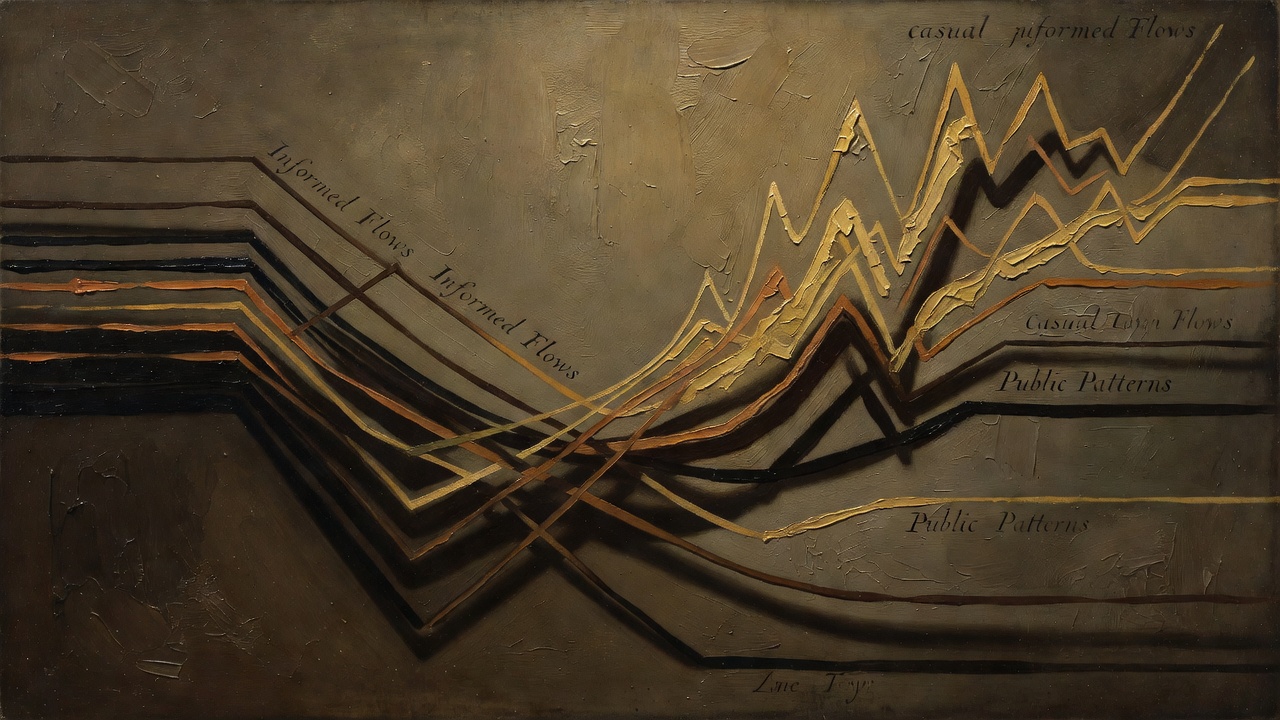
Line movement in sports betting functions as a market mechanism. When opening odds shift, the movement indicates either new information or asymmetric positioning. As a regulator, we interpret these signals to assess whether operators are managing their risk appropriately and whether the market is functioning with integrity.
Opening Lines and Closing Lines
Operators establish opening lines in accordance with their own models. These opening lines reflect the operator's assessment of the event's true probability. The line remains open for a period, during which customers place wagers. The line is therefore subject to price discovery. If substantial new money enters on one side, the operator adjusts the line to manage their liability. This adjustment is automatic and expected.
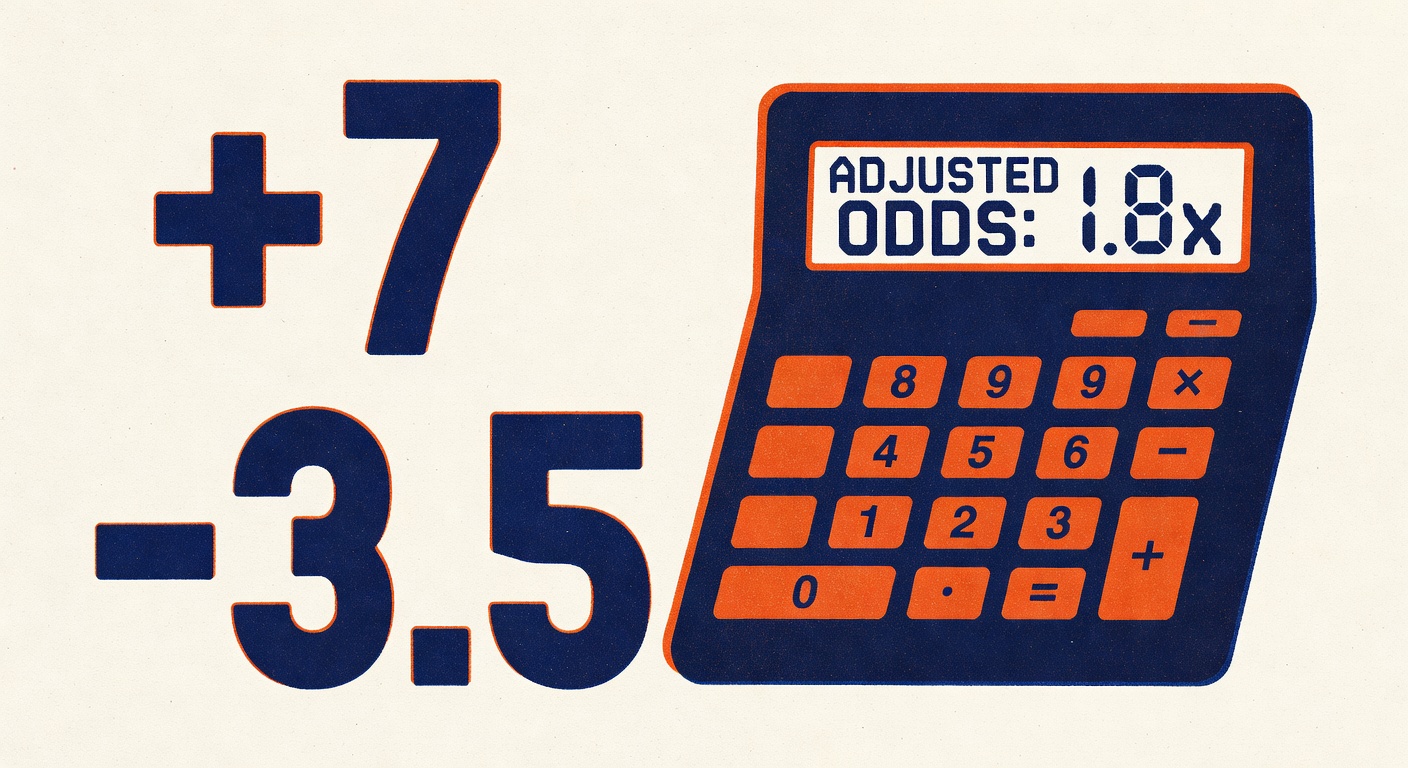
The movement from opening to closing lines tells a story about where the public money resided. If a point spread opens at minus seven and closes at minus five, the public money came in on the underdog. If the spread moves to minus nine, professional sharp money favored the favorite. This is the conventional interpretation.
What Sharp Money Actually Is
Sharp money refers to bettors with demonstrated positive closing line value over time. These bettors have, demonstrably, beaten the closing odds on their selections. They move lines because they have edge. They also bet in size. When a sharp bettor places a ten thousand dollar wager on an outcome, the operator cannot ignore it. The operator must adjust.
Public money refers to the aggregate of retail bettors. The public, on aggregate, loses money to negative expectation in the long term. However, the public bets in volume. A thousand retail customers placing two hundred dollars each generates two hundred thousand dollars in handle. Operators follow public money because it is profitable, not because it is sharp.
How to Interpret Movement
If the line opens at minus 110 on a team and sharp money immediately backs the opposing side, the operator receives approximately seven hundred dollars in action on the first side for every thousand dollars on the sharp side. The operator therefore adjusts the line to attract public action to the sharp side to balance their position. The line moves against the sharp money initially and then, as the public responds, potentially moves further in that direction before settling.
Regulators track these patterns because they reveal operator behavior. If a licensed operator consistently fails to move lines when sharp money enters, the operator may be absorbing excessive liability or may not be deploying adequate risk management. If a line moves excessively relative to known sharp positioning, the operator may be chasing public money inefficiently and generating volatility in the market.
Timing and Jurisdiction
Line movement operates differently across jurisdictions according to their regulatory frameworks. The United Kingdom Gambling Commission does not mandate line reporting, though licensed operators in the UK report their financial data, including betting volume. The State of Nevada requires Nevada sportsbooks to report their lines. Curacao eGaming licensed operators report to their regulator but not to a centralized authority. This fragmentation complicates market observation.
The most transparent markets are those with mandatory line reporting. Nevada and certain jurisdictions within the United States that have regulated online sports betting create data trails. Operators in those jurisdictions must therefore operate with full knowledge that their line movements will be visible. This visibility functions as a deterrent to market manipulation.
Conclusion
From a regulatory standpoint, line movement is a diagnostic tool. Sharp money moves lines because it has information advantage. Public money moves lines because it has volume. An operator's response to these pressures indicates whether the operator understands its own liability and is managing it within acceptable risk parameters. Operators who fail to move lines appropriately create opportunities for arbitrage and for systematic manipulation. Regulators therefore monitor line movement as an indicator of operator competence and market health.
Wings for this entry