In this entry2 parts
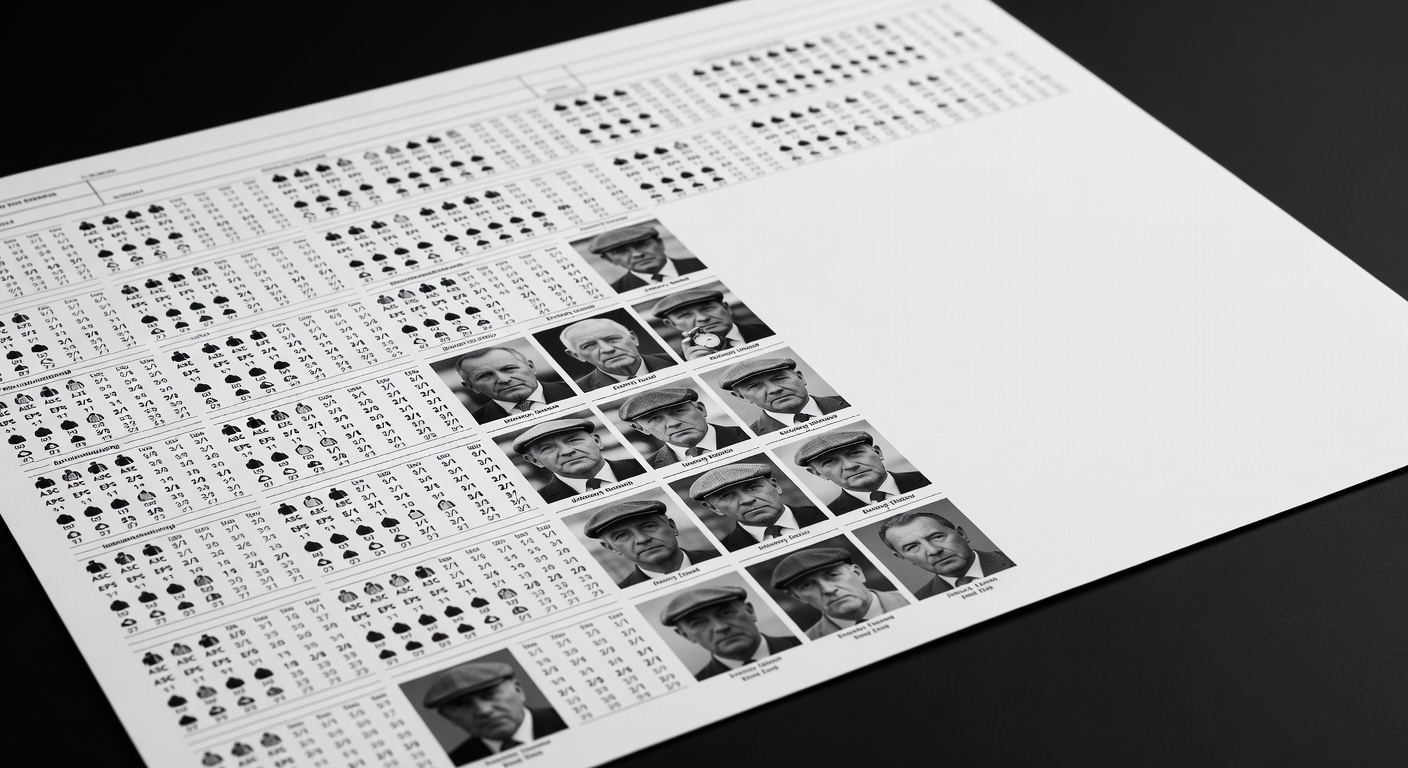
A horse racing form is not poetry. It is a document. Each line contains the compressed history of a horse's performance on a specific date at a specific track, and if you know what to look for, it will tell you whether that animal is likely to win on Saturday.
The format itself has remained largely unchanged for forty years. The top line gives you the basics: the horse's name, age, weight, and ownership. Then come the past performances, usually listed in reverse chronological order. The most recent race appears first.
Each race line is dense with information. The date appears in the first column. The track code follows: GP for Gulfstream Park, BEL for Belmont, AQU for Aqua duct. These matter. Some horses run better on dirt, some on turf. A horse that excels at mile-and-a-half distances may struggle at 6 furlongs.
Reading the Grid
The key numbers are the finishing position and the odds at which the horse ran. If a horse finished second at 5-1, you know that professional bettors underestimated it. If it finished fifth at 2-5 (heavy favorite), you know it underperformed relative to expectation. The margin of victory appears next, telling you whether the horse won wire-to-wire or caught the leader in the final strides.
The pace figures deserve special attention. These are proprietary calculations that measure how fast the race was run at different points. A pace figure of 95 is blazingly fast. A figure of 70 means the early pace was pedestrian. If a horse has good speed figures but never wins, it may be tiring in the stretch. If it always comes from behind and only runs in slow-pace races, it becomes vulnerable against competition that sets a reasonable tempo.
Trainer changes are critical. If a horse has been shuffled among five different barns and suddenly moves to a respected trainer, that is actionable information. William Mott has a specific record with claiming horses he inherits. Todd Pletcher brings money and resources. Some trainers specialize in coaxing a final victory out of a aging horse before retirement.
Class levels matter enormously. A horse racing in a maiden special weight race (for non-winners) is not comparable to the same horse in a stakes race. The claiming price tells you the actual value of the animal. If a horse is running in a $50,000 claiming race but was previously in $80,000 claimers, the trainer is admitting the horse has declined. If the move goes the other direction, the trainer sees improvement or is hiding the horse's abilities until the odds improve.
The Jockey Question
Jockey statistics are kept and published. A rider with a 25 percent win rate is elite. A 15 percent rider is competent. If a horse's usual jockey is absent and a proven rider takes the mount, ask yourself whether the trainer upgraded for a reason or simply hired the available body. Some jockeys excel with specific trainers. Some have specific expertise: Pat Day with closers, Chris McCarron with off-the-pace runners.
The workout line, printed before the latest race, tells you what the horse did in preparation. A five-furlong workout in 1:01 is brisk. A seven-furlong work in 1:30 flat is leisurely. If a horse is entered but has not worked in three weeks, the trainer may be waiting for a specific condition before fully engaging.
Mutuels are available if you know what to look for. The final odds tell you what the public thought. If a horse went off at 8-1 despite having a documented class advantage and a proven jockey, the market missed something.
Past performance reading is not prediction. It is evidence collection. The form tells you what a horse has done, under what conditions, against what competition. It tells you nothing about luck, weather, or a rider's decision on race day. What it does tell you is whether the pattern suggests improvement or decline, whether the horse is moving up in class appropriately or beyond its level, and whether the current conditions in the race might suit the animal's demonstrated strengths. Every number is a clue. The form itself makes no arguments. It simply records what happened. Your job is to read it accurately.
Wings for this entry