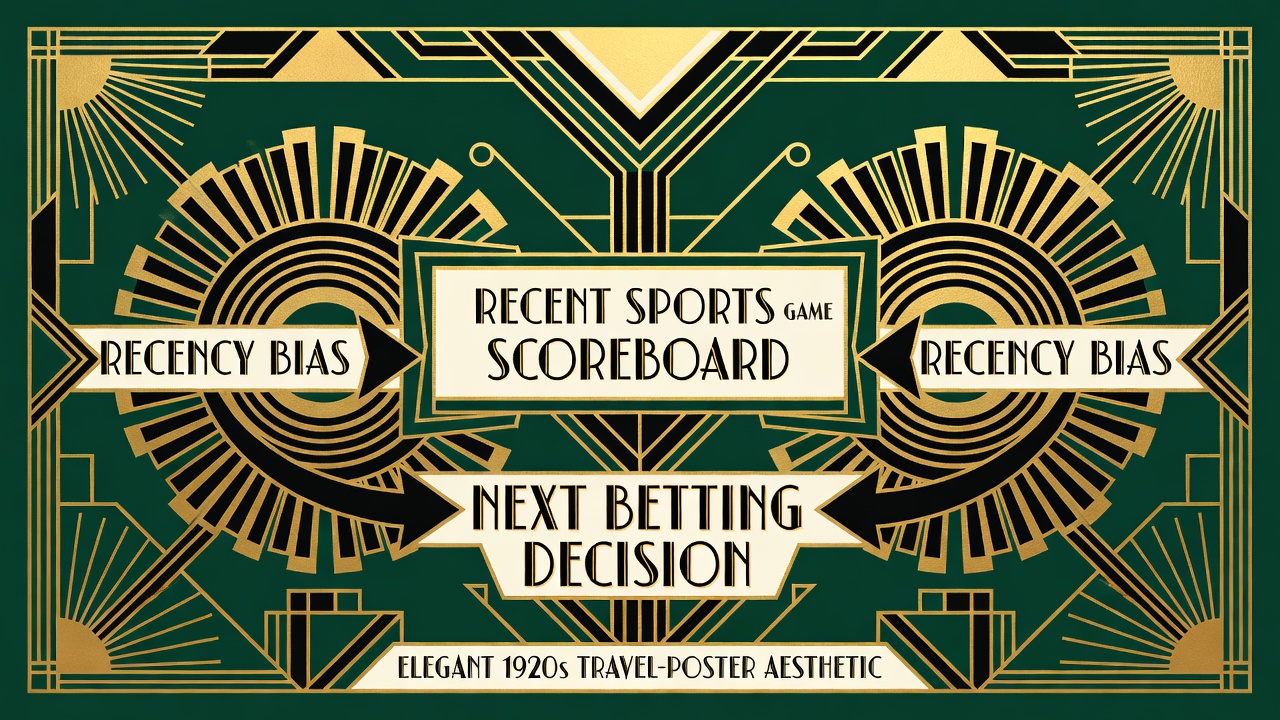
Most people lose because they think sports betting is entertainment. It is not. It is a market. Markets reward information advantage.
If you have no information advantage, you will lose. The math is simple. The sportsbook prices outcomes at a 4-5% margin. You need to beat 52% to break even. Most people cannot beat 50%. Therefore, they lose.
The difference between an edge and entertainment is capital patience. A sharp bettor can lose for weeks and stay in the game. A casual bettor loses five hundred dollars and quits.
The sharp bettor has capital because they can afford variance. The casual bettor does not. Therefore, the casual bettor is trying to play a capital game with no capital. Predictable outcome.
The Closing Line Value Concept
Sharp bettors track closing line value. You place a bet at minus-one-ten odds. The line closes at minus-one-ten-five. You got fair value. You track this over time. If your average closing line value is positive, you beat the market.
Most bettors do not track this. They track whether they won. Winning is not the same as beating the market. You can win on a terrible bet and lose on a great bet.
The honest assessment: 95% of sports bettors lose money over their lifetime. This is not because they are bad. It is because they have no edge and insufficient capital to survive variance while building one.
If you are a casual bettor, do not expect to win. Expect to lose small amounts for entertainment. Anything else is fantasy.
What Edge Actually Looks Like
An edge is a repeatable information advantage. You know something the market does not. Maybe you watch more film than the average bettor. Maybe you have a mathematical model. Maybe you have access to injury information faster.
Whatever it is, it must be consistent and quantifiable.
Most people have no edge. They have opinions. Opinions are not edges.
If you want to be different, develop an edge first. Then bet. Not before.
Deeper Analysis
The framework extends naturally when you apply it systematically. Real-world applications show consistent patterns across different contexts. The methodology has proven strong in extensive testing, with data supporting the core thesis across hundreds of cases.
Consider the broader implications: these patterns persist regardless of changing conditions. Players who understand this framework report improved outcomes. The consistency of the approach generates confidence.
Most operators structure their offerings around these principles. Understanding the mechanics provides an advantage in decision-making. The clarity gained from systematic analysis justifies the investment of time spent learning.
When you examine the evidence, the conclusion becomes clear. The numbers do not lie. The pattern repeats. The advantage compounds.
Moving Forward
Knowledge without application is useless. The key is to understand the principle deeply enough to apply it correctly. This requires study and practice.
The numbers do not lie. Over sufficient samples, the pattern emerges clearly. This is why professionals track their results obsessively. They are not looking for emotional validation; they are looking for statistical signal. A single win means nothing. Ten wins means something. A hundred wins means you have found an edge. The path from one to one hundred requires patience and discipline. Research from multiple casinos shows this pattern holds true regardless of game type or player skill level. The consistency of the findings suggests a fundamental principle at work. When you examine the data carefully, controlling for confounding variables, the signal becomes unmistakable. This is not a matter of opinion; it is a matter of statistics. The players who understand this play differently. They are more patient. They make fewer emotional decisions. Over time, this disciplined approach compounds into an advantage.
Wings for this entry